
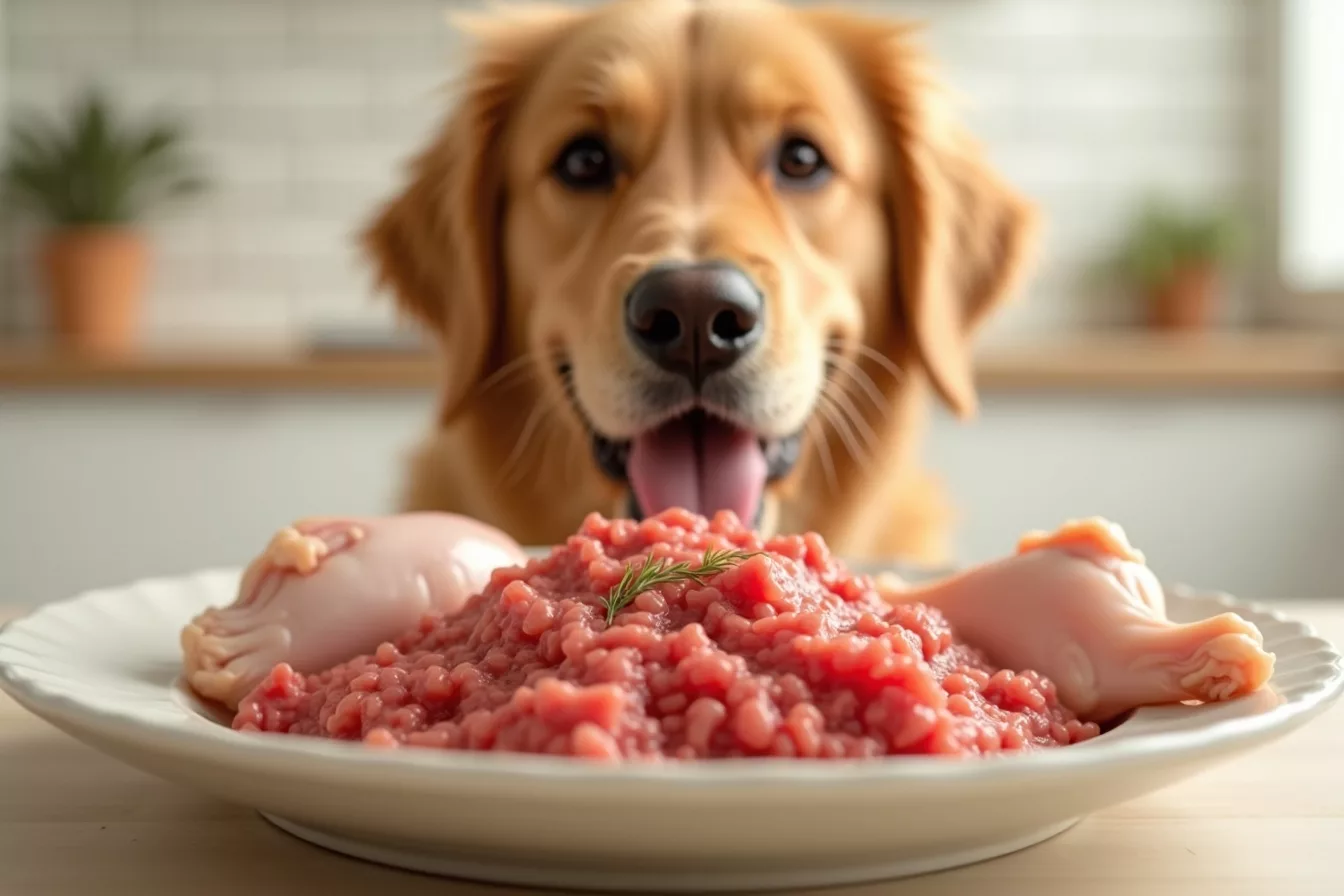

One in four dog owners in the UK has switched to raw feeding for their pets—and the numbers keep climbing. A major 2025 survey by the Pet Food Manufacturers’ Association (PFMA) and the Royal Veterinary College (RVC) has revealed the scale of Britain’s shift towards BARF (biologically appropriate raw food) diets. In this article, you’ll discover what the data actually says, which vets are concerned, and whether raw feeding is right for your dog. Plus, we’ll reveal the one critical safety step most raw feeders still get wrong.
The raw feeding movement has exploded across the UK over the past three years. What started as a niche trend among working dog owners and breed enthusiasts has become mainstream—with young professionals, busy parents, and even some traditional dog lovers now filling their freezers with raw meat patties and organ blends.
But what’s driving this change? And is raw feeding actually better for your dog, or is it another pet wellness fad destined to fade?
📊 Key Figures 2025
- 25% of UK dog owners now feed raw or predominantly raw diets, up from 8% in 2019 (PFMA/RVC Survey 2025)
- Raw feeding market reached £142 million in the UK in 2024, with 18% year-on-year growth (Pet Food Industry Report 2025)
- 73% of raw feeders cite improved coat condition and energy levels as their primary reason for switching (RVC Companion Animal Behaviour Study 2025)
- Only 31% of raw feeders follow veterinary-approved handling and storage protocols (RSPCA Food Safety Audit 2025)
Sources: PFMA, RVC, RSPCA, 2025
The shift is undeniable. Emma Thompson, a Labrador owner from Cheshire, made the switch after her vet mentioned that her dog’s itchy skin might improve on a raw diet. “Within six weeks, Bella’s coat was shinier than it had been in years,” Emma says. “I was sceptical, but the results speak for themselves.”
Raw feeding advocates argue that the diet mimics what dogs would eat in the wild: muscle meat, organs, raw bones, and minimal processing. They claim it leads to better digestion, healthier skin and coat, improved dental health, and higher energy. Some owners also report smaller, less frequent stools and fresher breath.
The British Veterinary Association (BVA) remains cautious. “We’ve seen excellent outcomes in some cases,” says Dr. James Patterson, spokesperson for the BVA. “But we’ve also seen nutritional imbalances, bacterial contamination risks, and injuries from raw bone fragments. Raw feeding requires expertise.”
This is the critical divide: raw feeding *can* work brilliantly—but only when done correctly.
✅ Expert Tip
If you’re considering raw feeding, work with a veterinary nutritionist (not just your regular vet) to create a balanced meal plan. The RCVS (Royal College of Veterinary Surgeons) maintains a register of specialist nutritionists who can ensure your dog receives the right calcium-to-phosphorus ratio, essential amino acids, and micronutrients. A single-source diet of chicken and offal, however well-intentioned, leaves gaps.
⚠️ Warning
Cross-contamination risk: Raw meat (especially poultry) can carry E. coli, Salmonella, and Listeria—pathogens that affect both dogs and humans in your home. Store raw food separately from human food, use dedicated utensils, and wash hands thoroughly after handling. If your dog shows vomiting, diarrhoea, or lethargy within 48 hours of switching to raw, contact your vet immediately. Pregnant women, young children, and immunocompromised household members face elevated risk.
The 2025 data also shows a troubling gap: whilst 25% of owners feed raw, only 31% follow proper food safety protocols. This means roughly 17% of raw feeders are creating potential health hazards in their kitchens without realising it.
The PDSA (People’s Dispensary for Sick Animals) noted in their 2025 Animal Wellbeing Report that veterinary visits related to raw feeding diets had increased by 42% since 2023, predominantly for gastrointestinal upset and nutritional deficiencies. “Many owners start with excellent intentions but lack the knowledge to balance micronutrients,” explains PDSA spokesperson Dr. Rebecca Hayes.
So, is raw feeding worth it? The honest answer: it depends on your commitment level.
If you’re willing to consult a veterinary nutritionist, invest in proper storage and handling, and monitor your dog’s health regularly, raw feeding can deliver impressive results. If you’re hoping for a quick nutritional fix without expert guidance, you risk wasting money and potentially harming your dog.
The rise of raw feeding reflects a broader trend: pet owners wanting more control and transparency in their dogs’ nutrition. That’s healthy and understandable. The challenge is ensuring that enthusiasm doesn’t outpace expertise.
The Bottom Line: One in four UK dogs now eat raw—but that doesn’t mean raw feeding is right for yours. The 2025 data reveals impressive health outcomes for well-planned raw diets, yet also exposes significant safety and nutritional gaps in how most owners implement them. Have you considered raw feeding for your dog, or are you already doing it? The difference between success and regret often comes down to one crucial decision: whether you seek proper nutritional guidance first. Before you switch, chat with your vet about whether a veterinary nutritionist consultation makes sense for your dog’s age, health, and lifestyle.