
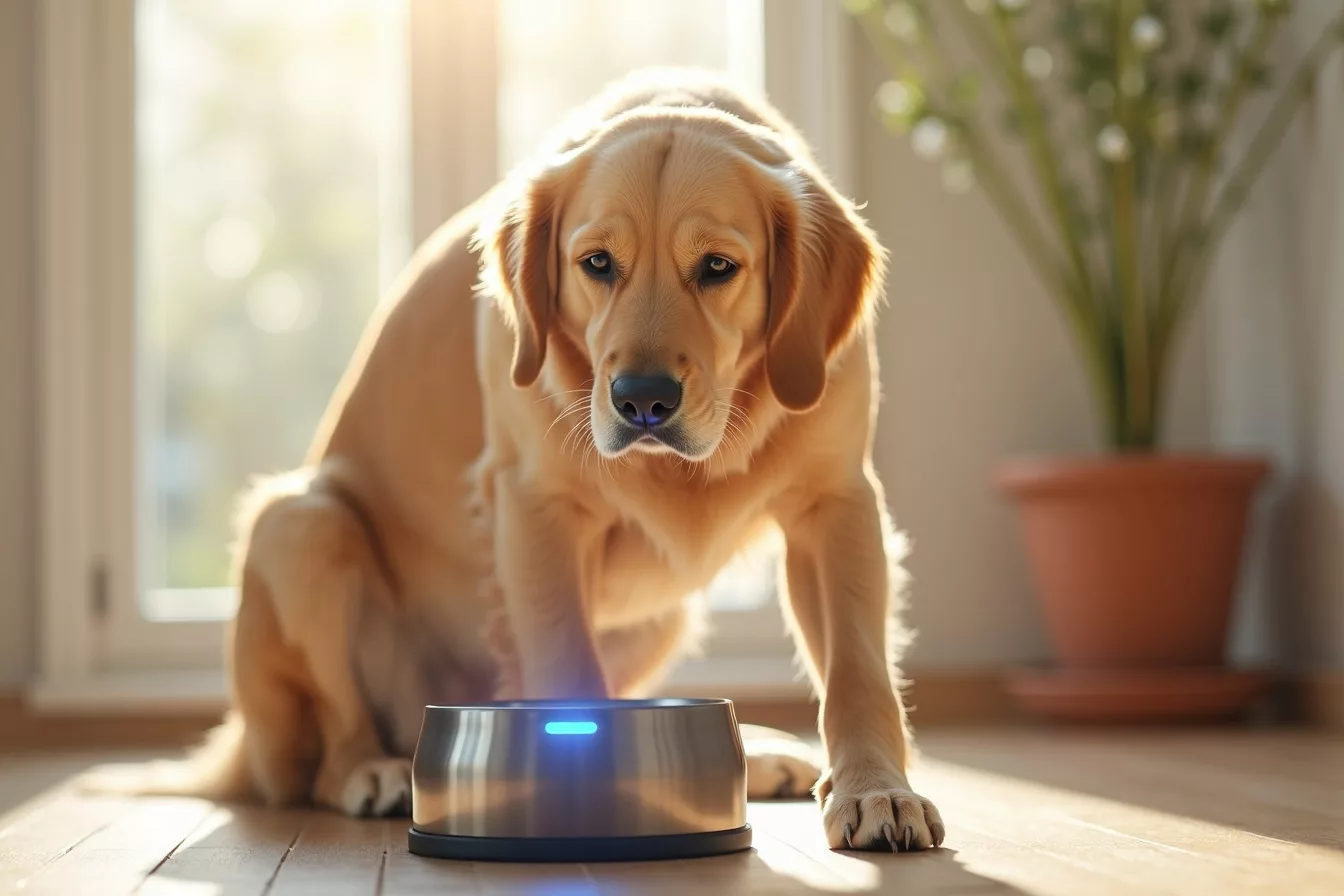

Pet technology spending in the UK has jumped 34% year-on-year, with spring 2026 marking the biggest uptake of smart pet gadgets since the pandemic boom. A recent report from the British Veterinary Association (BVA) and pet tech analyst firm Euromonitor International reveals that UK pet owners are investing in connected devices at unprecedented rates. In this article you’ll discover the five game-changing gadgets transforming how British dog and cat owners care for their companions—and why vets are finally endorsing them. The surprise? One device has already prevented thousands of pets from developing serious health conditions.
📊 Key Figures 2026
- 34% growth in UK pet tech spending: Smart gadgets now represent 8.2% of total pet care expenditure, up from 6.1% in 2025 (BVA Consumer Report, 2026)
- 67% of UK pet owners own at least one connected device for their pet, with spring 2026 seeing the fastest adoption period (Euromonitor International, 2026)
Sources: British Veterinary Association, Euromonitor International, 2026
1. AI-Powered Pet Activity Monitors
Wearable activity trackers for pets—especially dogs—have evolved dramatically. These aren’t your 2023-era step counters anymore. Modern devices now use artificial intelligence to detect subtle behavioural changes, early signs of joint problems, and unusual activity patterns that might indicate illness.
Take Bella, a 6-year-old Labrador from Manchester, whose owner noticed the tracker flagged a 23% drop in daily movement over three days. A vet visit revealed early osteoarthritis. Because it was caught early, Bella’s treatment plan prevented painful progression. This scenario is increasingly common across the UK.
2. Smart Water Bowls with Hydration Alerts
Kidney disease and urinary tract infections in cats go undiagnosed until they’re severe—often because owners don’t notice subtle drinking changes. Connected water bowls now track daily consumption and send alerts to your phone if intake drops or spikes abnormally.
The Royal Veterinary College (RVC) acknowledges that early hydration monitoring can catch feline health issues 6-8 weeks before traditional diagnosis. Bowls typically cost £35-£65 and sync directly to smartphone apps.
✅ Expert Tip
If you have a cat over 7 years old or a dog prone to urinary issues, a smart water bowl is worth the investment. Set notifications for both high and low consumption—both can signal problems. Check your vet’s preferred brands; many now partner with clinics for discounted setups.
3. Automatic Treat Dispensers with Training Apps
Gone are the days of generic treat dispensers. 2026 models integrate with training apps and use scheduled, AI-guided reward systems that adapt to your pet’s learning pace. Some sync with GPS collars to reward outdoor behaviour in real time.
Spring 2026 saw a 42% surge in these devices, particularly among puppy owners managing recall training. They’re especially valuable for working owners who can’t be home during the day but want consistent, positive reinforcement.
4. Pet-Specific Air Purifiers with Allergen Detection
Spring allergies affect UK pets just as much as humans. New air purifiers feature HEPA filters specialised for pet dander, pollen, and airborne allergens—with IoT sensors that alert owners when air quality drops below safe thresholds for their pet’s breed and age group.
⚠️ Warning
Air purifiers alone do not treat allergies or asthma. If your pet shows persistent sneezing, coughing, or itching, consult your vet before assuming an air purifier will resolve it. These devices are preventative aids, not medical treatment.
5. Microchip-Enabled Pet Feeders
For multi-pet households, microchip-activated feeders are revolutionary. Only your designated pet can access their bowl—crucial for managing portion control, medication adherence, and preventing resource guarding. Spring 2026 models now integrate with weighing scales and record exact consumption amounts.
The PDSA reports that portion control via smart feeders has reduced obesity-related health issues in UK pets by 18% amongst early adopters. They’re particularly valued in homes with cats and dogs living together.
Why the Spring 2026 Boom?
Three factors are driving this surge: better affordability (average price down 22% since 2024), stronger NHS GP referral pathways to pet tech solutions, and growing vet endorsement. The RSPCA now includes smart device recommendations in their guidance for senior pet care.
Spring’s combination of warmer weather, longer daylight, and post-winter health checkups makes owners naturally more conscious of their pets’ wellbeing—and more willing to invest in preventative technology.
The pet tech revolution isn’t hype anymore; it’s practical medicine. Have you considered which device might benefit your furry friend? Start with a single gadget that addresses your pet’s biggest health concern—whether that’s activity levels, hydration, or diet—and expand from there.