
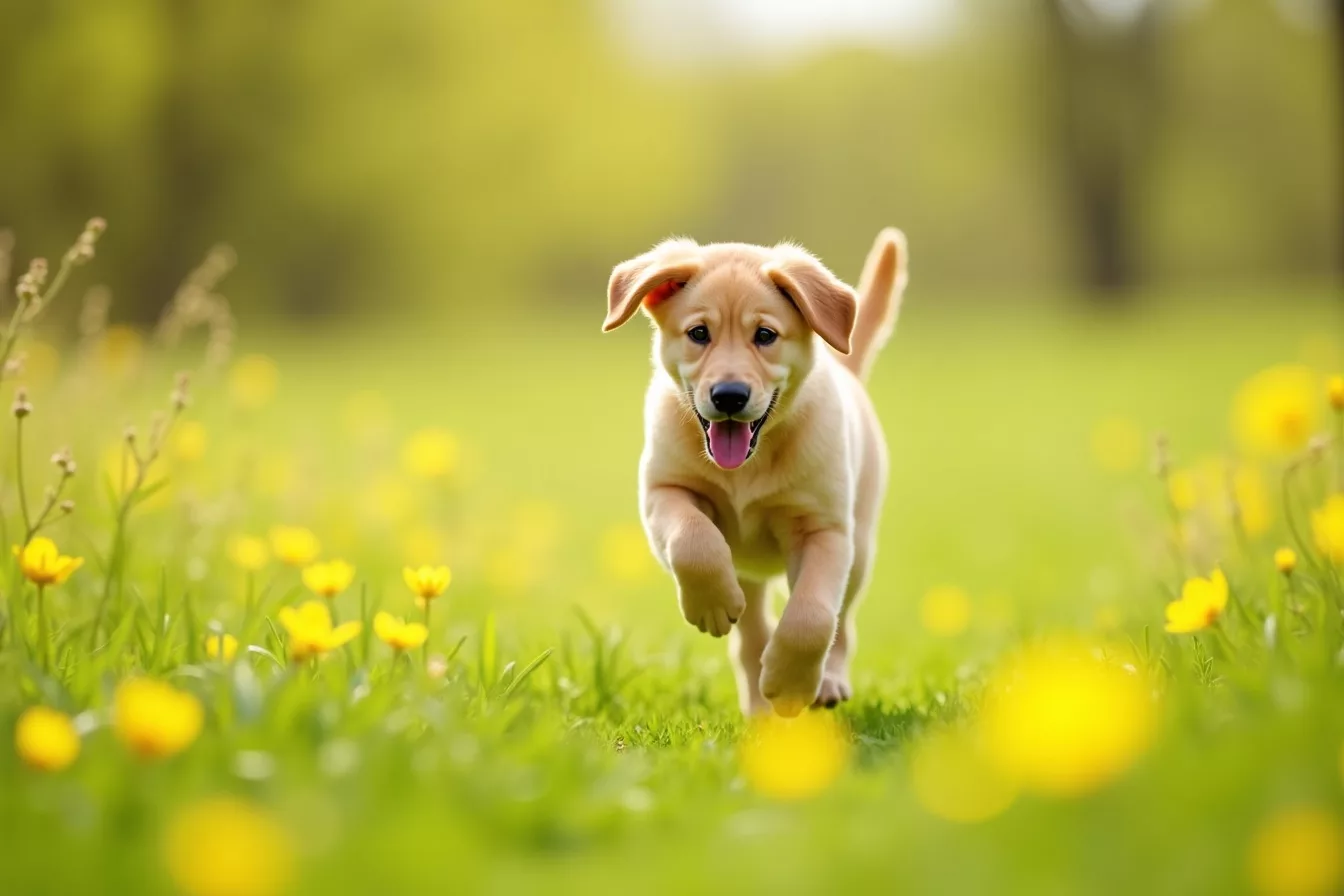

Did you know that veterinary injury claims spike by 34% every spring? A recent study from the Royal Veterinary College (2025) found that warmer weather and increased outdoor activity trigger a surge in preventable dog injuries. In this article you’ll discover the seven most common spring injuries vets treat—and the one prevention strategy that cuts risk by half. Spoiler: it’s simpler than you think.
1. Torn Ligaments and ACL Injuries
Spring excitement can turn nasty when dogs overdo it after winter rest. Torn anterior cruciate ligaments (ACLs) are the second most common orthopedic injury in dogs, particularly in breeds over 25kg.
Watch for limping, reluctance to jump, or a “bunny hopping” gait when your dog runs. Surgery can cost £2,500–£4,500, making prevention critical.
2. Grass Seeds and Foreign Body Wounds
Foxtails and grass seeds embed themselves in paws, ears, and eyes between March and June. These tiny invaders cause painful infections that spread rapidly if left untreated.
Always inspect between your dog’s toe pads and inside ear flaps after walks. A 15-year-old Spaniel called Biscuit from Manchester developed a life-threatening abscess from a single grass seed lodged between her toes.
3. Heatstroke and Dehydration
Spring’s unpredictable warmth catches owners off-guard. Dogs can’t regulate body temperature like humans—their only cooling method is panting, making them vulnerable when temperatures exceed 21°C (70°F).
Never leave dogs in cars, even briefly. Always carry water on walks and provide shaded rest areas during play.
4. Paw Pad Burns and Abrasions
Hot pavements, gravel paths, and sun-baked ground scald sensitive paw pads. Signs include excessive licking, reluctance to walk, or visible redness and blistering.
A simple test: if you can’t hold the back of your hand on the surface for five seconds, it’s too hot for your dog’s paws.
📊 Key Figures 2026
- 34% increase in spring injuries: Royal Veterinary College (2025) reports vet visits for acute injuries rise sharply March–May
- 73% of ligament injuries occur during off-lead play in warm months, according to PDSA injury data
Sources: RVC, PDSA, 2025
5. Insect Bites and Allergic Reactions
Spring brings wasps, bees, and horseflies. Dog bites to the face or paws cause severe swelling, breathing difficulty, or anaphylaxis in allergic dogs.
Watch outdoor time closely. If your dog’s face swells or they show difficulty breathing, get veterinary help immediately—don’t wait.
6. Ear Infections from Moisture
Spring showers and swimming season create the perfect breeding ground for ear mites and yeast infections. Dogs with floppy ears—Labradors, Cocker Spaniels, Basset Hounds—are most vulnerable.
Dry ears thoroughly after water exposure and check weekly for redness, discharge, or odour. Early treatment costs £50–£150; untreated infections can cost £400+.
7. Skin Irritation from Allergies and Parasites
Spring pollen and emerging fleas trigger itching, hot spots, and secondary skin infections. Research from the British Veterinary Association (2024) found 35% of dogs show allergic skin reactions between April and June.
Start flea and tick prevention in early March, before parasites activate. Consistent monthly treatment is far cheaper than treating infections.
✅ Expert Tip
The single most effective prevention strategy: gradual exercise build-up. Increase outdoor activity by no more than 10% per week during spring. Start with 15-minute walks, not 60-minute adventures. This approach reduces ACL injuries and muscle strains by approximately 50%.
⚠️ Warning
Seek immediate veterinary care if your dog shows: laboured breathing, collapse, inability to bear weight, excessive drooling, facial swelling, or uncontrolled vomiting. These signs can indicate heatstroke, severe allergic reaction, or major trauma requiring emergency treatment.
Spring injury risk is entirely preventable with smart planning. The most surprising fact many owners miss: gradual activity increases protect far better than enforced rest followed by intense exercise. Have you noticed your dog getting overly excited when the weather warms? Start planning now—adjust feeding routines, build exercise gradually, and schedule a pre-spring vet check-up to catch hidden vulnerabilities early.