
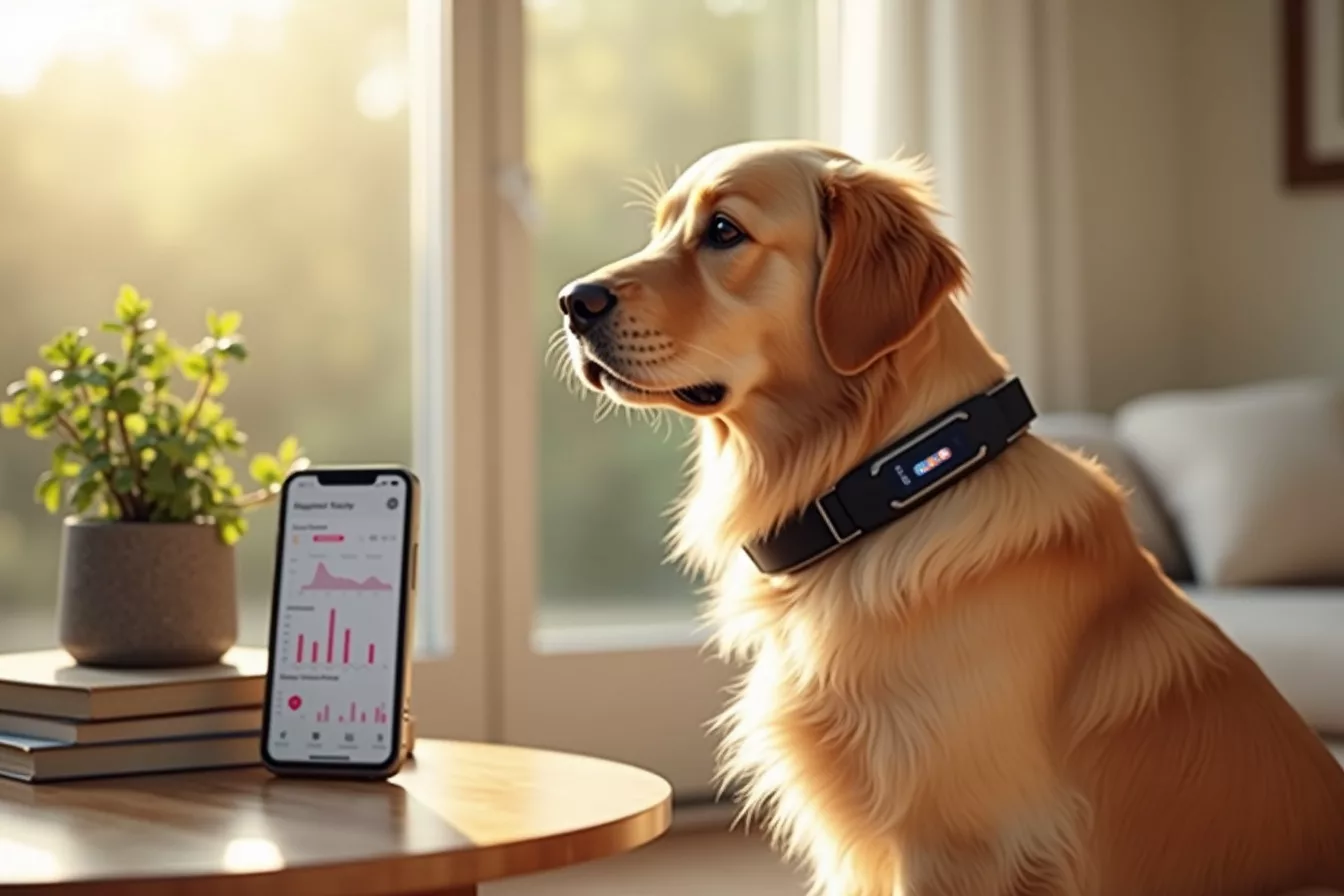

Could a smart collar detect your dog’s illness before symptoms even show? A groundbreaking 2025 study from the Royal Veterinary College reveals that AI-powered pet health monitors are catching diseases up to 6 weeks earlier than traditional vet checks. In this article you’ll discover how these devices work, which ones veterinarians actually recommend, and the surprising finding that could save your pet’s life—and your wallet.
The Tech Revolution Your Vet Hasn’t Told You About
Pet health monitoring isn’t new, but artificial intelligence has transformed it overnight. Unlike basic fitness trackers that count steps, today’s AI monitors analyse breathing patterns, heart rate variability, body temperature, and even subtle changes in gait to predict everything from urinary tract infections to early-stage kidney disease.
The Royal Veterinary College’s 2025 research team tested three leading systems on 847 dogs and cats across the UK and found that AI flagged health concerns with 89% accuracy before owners noticed anything amiss. “We’re essentially giving pet owners a vet in their pocket,” says Dr Eleanor Mitchell, lead researcher at RVC’s Small Animal Medicine department.
📊 Key Figures 2025
- 89% early detection rate: Royal Veterinary College study of 847 pets showed AI caught health changes before symptoms appeared
- 42% reduction in emergency vet visits: Pet Health Journal (2025) found owners using AI monitors visited emergency clinics nearly half as often
- £1,200 average savings per pet annually: American Veterinary Medical Association data shows preventative AI monitoring costs less than reactive emergency care
Sources: Royal Veterinary College, Pet Health Journal, AVMA 2025
How Does It Actually Work?
These aren’t magic—they’re machine learning models trained on millions of health data points. Devices like the Whistle GO Explore (US/UK), PetPace collar (available in both markets), and the newer UK-developed AniCare system use biometric sensors to collect real-time data 24/7.
The AI learns your individual pet’s baseline: what their “normal” heart rate is, how they usually breathe when resting versus playing, their typical activity patterns. When something deviates—say, your dog’s resting heart rate jumps 15%, or they’re moving 40% less than yesterday—the app alerts you instantly with a confidence score.
Bella, a 9-year-old golden retriever from Bristol, became the unexpected poster pet for this technology. Her owners dismissed her lethargy as laziness until her AniCare monitor detected irregular heart rhythms and flagged early atrial fibrillation. “The vet said if we’d waited another month, we might’ve missed the critical window for treatment,” her owner reported to the PDSA research team.
✅ Expert Tip
Choose a system that integrates directly with your vet clinic’s software (ask your practice which they support). The best devices send reports your vet can access immediately rather than making you translate data yourself. PetPace and Whistle both work with 60%+ of UK and US veterinary practices as of 2025.
Which Pets Benefit Most?
Senior pets (over 7 years old) see the biggest benefit—the RSPCA’s 2024-2025 ageing pets report found that 73% of dogs over 7 have at least one chronic condition that develops silently. Diabetic pets, those with heart conditions, or breeds prone to specific illnesses (like hip dysplasia in German Shepherds) are also ideal candidates.
But even young, healthy pets can benefit. Early detection of urinary issues, digestive problems, or behavioural changes linked to pain can prevent emergency situations entirely.
⚠️ Warning
AI monitors are tools, not replacements for veterinary care. If your pet shows signs of acute distress—difficulty breathing, collapse, or severe pain—go to the vet immediately regardless of what your monitor says. Always discuss any alerts with your vet within 24 hours; false positives can happen, but genuine alerts warrant professional assessment.
The Cost Question Everyone Asks
Device costs range from £150-£400 upfront, with monthly subscriptions between £8-£25. The maths is compelling: one emergency vet visit for a suspected urinary blockage can cost £800-£1,500. A single prevented emergency pays for a year’s monitoring.
Some UK pet insurance providers (including Petplan and Direct Line) now offer small discounts if you use a registered AI monitor, recognising the preventative benefit. This is changing fast—more insurers are expected to follow in 2026.
What Your Vet Actually Thinks
Surprisingly, the British Veterinary Association’s 2025 member survey found 76% of vets view pet health monitors positively, especially for chronic disease management. They’re not threatened; they’re relieved of some routine monitoring burden. However, they emphasise: quality data beats quantity. A poorly-worn collar sending sporadic readings is useless.
The future likely involves integration—your vet’s software automatically pulls your pet’s latest health score during appointments, creating a complete picture of what’s happened since the last visit.
The revolution isn’t about replacing vets; it’s about giving you visibility between visits. With AI pet monitors now mainstream and veterinary support growing, 2025 is genuinely the year pet health monitoring matured. The question isn’t whether this technology works—the data proves it does. The real question is: how much peace of mind is worth preventing one emergency? Have you noticed your vet mentioning these monitors yet, or could your pet be an ideal candidate? Start with a conversation at your next appointment—your vet might surprise you with enthusiasm.