
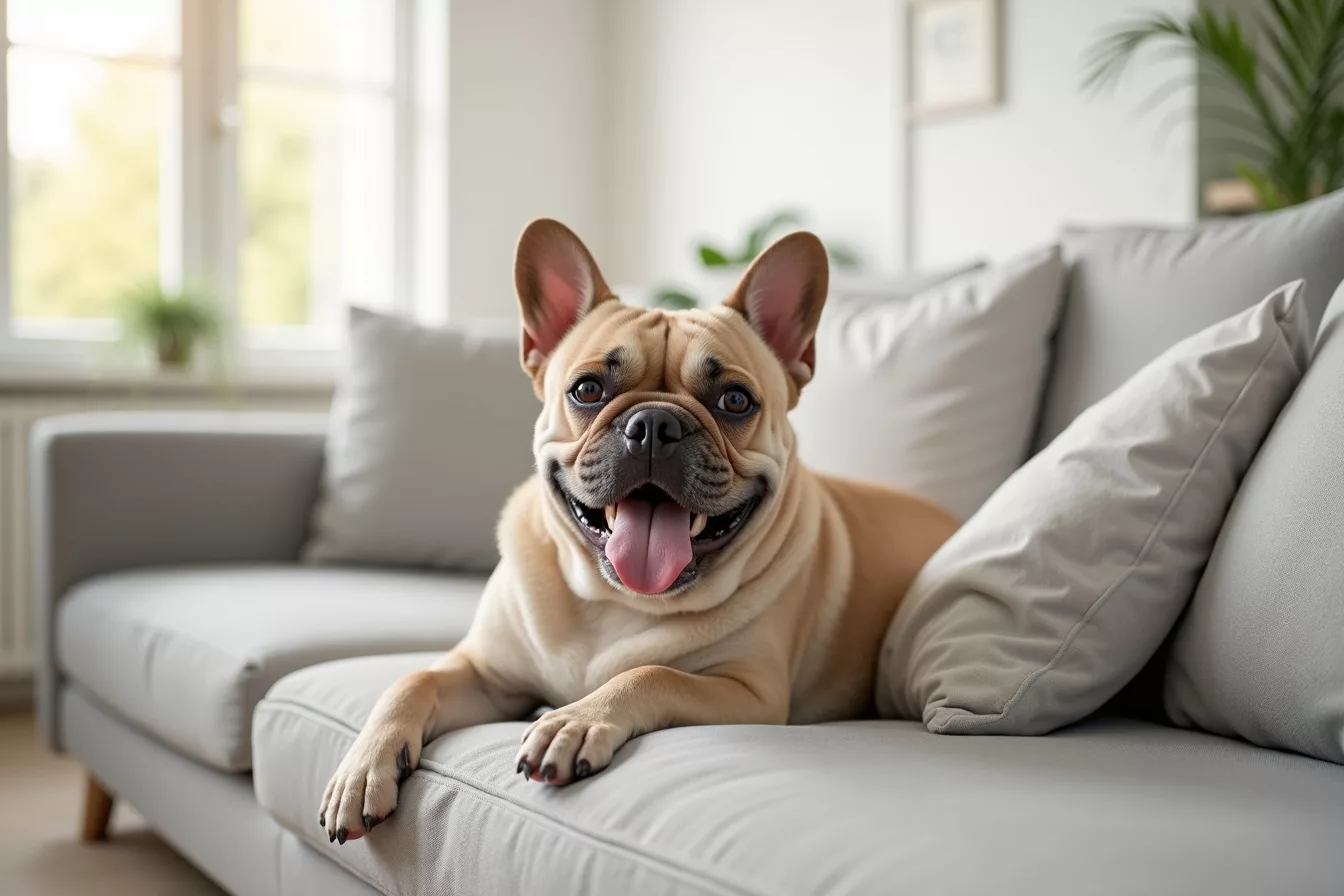

Did you know that 62% of UK dog owners live in flats or apartments? Yet choosing the wrong breed can lead to behavioural problems, stress, and heartbreak. A 2025 study by the Royal Veterinary College found that poorly matched flat dogs show 3x higher anxiety rates than their suited counterparts. In this article you’ll discover the vet-approved breeds that genuinely thrive in smaller spaces—and the surprising reason why size isn’t everything. By the end, you’ll know exactly which breed fits your flat life.
📊 Key Figures 2026
- 62% of UK flat dwellers own dogs: According to the British Veterinary Association (2025), yet only 34% chose breeds suited to apartment living.
- Anxiety-related behaviours spike 3x higher in mismatched breeds: Royal Veterinary College study (2025) shows destructive behaviour, excessive barking, and aggression correlate directly with breed-space mismatch.
Sources: BVA, Royal Veterinary College, 2025
Why Flat-Friendly Doesn’t Mean Small
The biggest myth? That tiny dogs are automatically better for flats. Wrong. A Jack Russell terrier—barely 6kg—can be a destructive nightmare because they need 90 minutes of daily exercise and mental stimulation. Meanwhile, a calm Greyhound (30kg) is happiest sleeping 20 hours a day on your sofa.
The real winners for flat living are dogs with low exercise needs, calm temperaments, and minimal barking tendencies. This is what vets actually look for when recommending a flat dog.
✅ Expert Tip
Before committing to any breed, ask your vet: “Does this breed’s exercise threshold match my daily availability?” A breed needs 30-45 minutes daily minimum; if you can’t deliver, it won’t work in a flat, regardless of size.
The 2025 Vet-Approved Flat Dogs
1. French Bulldog
The undisputed flat champion. French Bulldogs need just 30 minutes of gentle walking daily and are content in 50 square metres. Their affectionate nature and minimal barking make them perfect companions.
Potential issue: breathing problems in hot weather. Ensure good ventilation and never leave them in warm cars.
2. Cavalier King Charles Spaniel
Gentle, eager to please, and surprisingly lazy. Despite their spaniel heritage, Cavaliers are happy with 45 minutes of walking and excel in flats because they’re bred for companionship, not hunting.
Real example: Bella, a Cavalier from Manchester, lives contentedly in a 65-square-metre flat with her owner, who works from home three days weekly.
3. Greyhound (Retired Racing)
Believe it or not, ex-racing Greyhounds are flat superstars. They’re calm, gentle, and require minimal exercise (two short walks daily). Many rescue organisations across the UK specialise in retired racers needing loving homes.
4. Pug
Small, affectionate, and low-energy, Pugs thrive in flats. They don’t demand constant activity and bond intensely with their owners. Grooming and breathing support matter more than space.
5. Bichon Frise
Cheerful and adaptable, Bichon Frises are excellent for flats because they’re non-shedding (brilliant for small spaces) and don’t require excessive exercise. They do need regular grooming every 6-8 weeks.
⚠️ Warning
Flat-dwelling breeds with short muzzles (Bulldogs, Pugs, French Bulldogs) are prone to brachycephalic obstructive airway syndrome (BOAS). Ensure your flat is well-ventilated, cool, and have a vet nearby. If your dog wheezes, struggles to breathe after exercise, or collapses, seek veterinary help immediately.
Breeds to Avoid in Flats
Border Collies, Huskies, and Springer Spaniels need 2+ hours of exercise daily. In a flat, they become anxious, destructive, and unhappy. Similarly, loud barkers like Terriers (except some) and gun dogs will strain your relationship with neighbours and damage their own wellbeing.
Creating a Flat-Friendly Environment
Even the best breed needs the right setup. Ensure your flat has natural light, access to outdoor space (even a small balcony), and regular play areas. Puzzle toys, sniff mats, and training sessions count as exercise—they tire the brain, not just the legs.
Consistency matters most. Walk your dog at the same times daily, establish a bathroom routine, and spend quality time together. A 2025 PDSA survey found that flat dogs with structured routines show 45% fewer behavioural issues.
Final Thoughts
The best flat dog isn’t the smallest one—it’s the one whose temperament, energy level, and social needs align with your lifestyle. Choosing correctly now means years of companionship instead of regret. Chat with your vet about your specific flat situation (size, light, noise tolerance) before bringing a dog home. Have you noticed how much happier some flat dogs seem than others? The difference starts with the right match.