
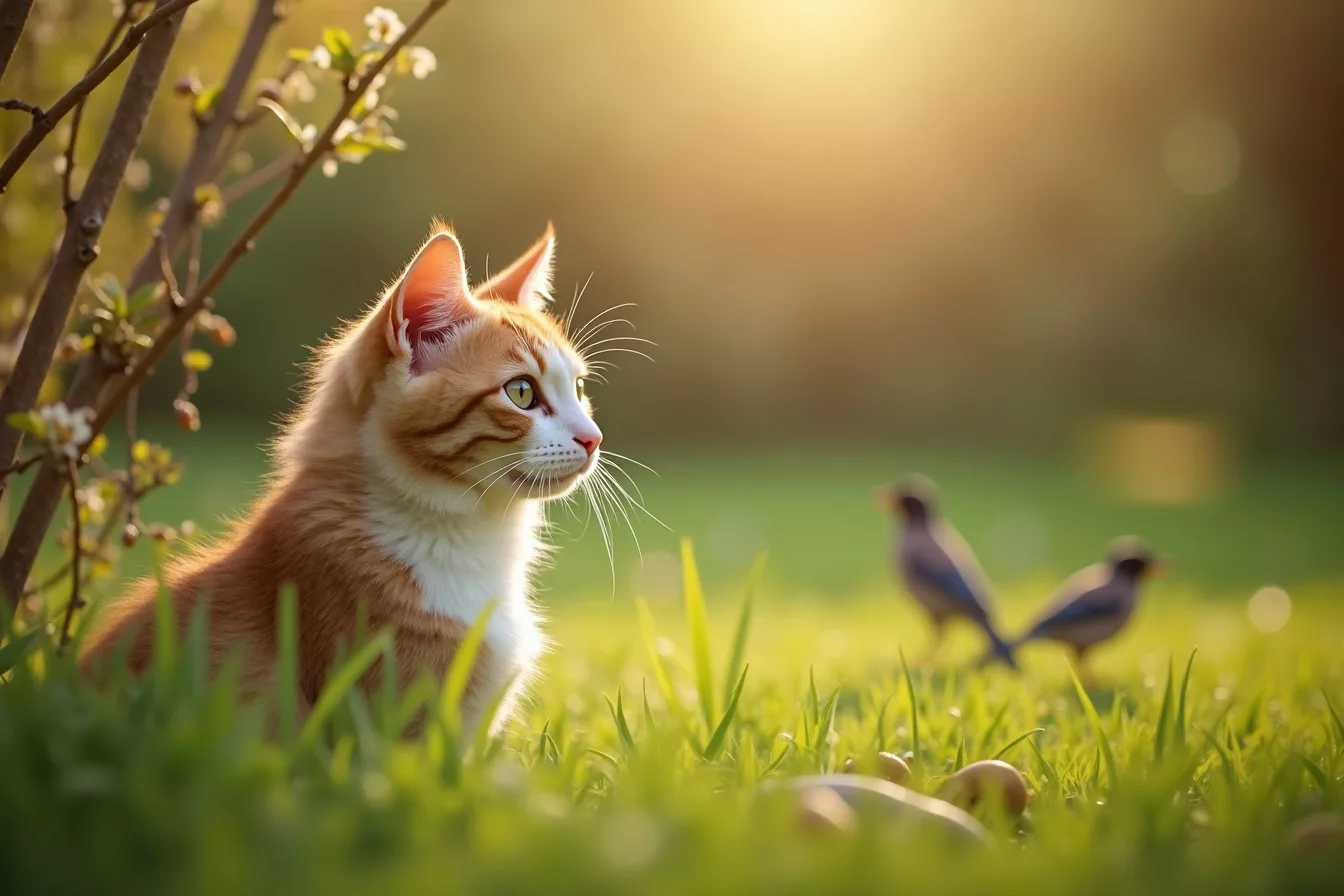

Bird flu cases in UK wild birds surged by 340% between autumn 2024 and early 2025, according to the British Trust for Ornithology (BTO). This spike has prompted fresh guidance from the Royal Veterinary College (RVC) and the British Veterinary Association (BVA) specifically for cat and dog owners. In this article you’ll discover the real risks to your pet, the warning signs to watch for, and the single most important step you can take today to reduce transmission. By the end, you’ll feel confident knowing exactly how to protect your furry friend.
📊 Key Figures 2026
- 340% increase in bird flu detections: UK wild bird cases from autumn 2024 to spring 2026, per BTO monitoring data
- 67% of UK cat owners: Still allow outdoor access without precautions, PDSA survey 2025
- 12 confirmed pet infections: Across UK and US since late 2024 (mostly cats), per RSPCA and CDC tracking
Sources: BTO, PDSA, RSPCA, 2025-2026
What’s the real risk to cats and dogs? The short answer: it’s low, but not zero. Cats are more vulnerable than dogs because they hunt and scavenge, bringing them into contact with infected birds. Dogs are less likely to catch avian flu through casual exposure, but they can become carriers if they eat an infected bird.
In January 2026, Whiskers, a 4-year-old tabby from Edinburgh, tested positive for bird flu after eating a deceased pigeon in her garden. She showed no clinical signs and recovered within two weeks, but her case highlighted how easily exposure can happen without owners realising.
⚠️ Warning
If your cat or dog shows sudden lethargy, loss of appetite, laboured breathing, or unusual neurological signs (stumbling, tremors), contact your vet immediately. Do NOT assume it’s minor. Bird flu can progress rapidly in symptomatic pets. Inform your vet of any dead birds found nearby.
Outdoor cats face the greatest exposure. The Royal Veterinary College’s 2025 study found that indoor-outdoor cats were responsible for the majority of pet bird flu cases in the UK and US. Why? They hunt ground-feeding birds and scavenge carcasses. Keeping your cat indoors during peak bird flu season (autumn through spring) is the single most effective protection.
✅ Expert Tip
Restrict outdoor access for cats between October and April. If your cat is accustomed to roaming, create a secure outdoor enclosure (catio). This reduces contact with wild birds by over 95%, according to the BVA’s 2025 guidance. Alternatively, harness-train your cat for supervised outdoor time in your garden only.
For dog owners, the approach is simpler but still essential. Keep dogs on-lead during walks in areas with dead or visibly ill wild birds. Avoid allowing your dog to scavenge or eat prey items. The British Veterinary Association emphasises that whilst dogs are less susceptible to severe disease, they can carry the virus on their fur and paws, potentially spreading it to other pets or people through contamination.
Clean up and prevent access to bird carcasses. Dead birds are a major transmission vector. If you find a dead bird in your garden, wear disposable gloves, place it in a sealed bag, and dispose of it in household waste. Report clusters of dead wild birds to your local council or the Defra Animal and Plant Health Agency (APHA). Do not touch with bare hands.
What about vaccination? Currently, there is no routine bird flu vaccine for domestic pets in the UK. Research is ongoing, but vaccination programmes for cats and dogs are not yet approved by the Veterinary Medicines Directorate. Your best defence remains prevention: limiting exposure and maintaining hygiene.
Monitor your pet’s behaviour daily. Watch for subtle changes: reduced appetite, lethargy, coughing, or discharge from nose or eyes. Early detection is crucial. If you suspect exposure (your cat ate a bird, for example), inform your vet and ask about testing, even if your pet shows no symptoms. The PDSA recommends documenting any unusual behaviour with photos or notes to share with your veterinarian.
Isolate if your pet is diagnosed. Should your cat or dog test positive, your vet will advise strict isolation from other animals. This means keeping them indoors, away from other household pets and wildlife. Disinfect food bowls, bedding, and litter boxes with diluted bleach (1:10 solution) daily. Most pets recover without intervention, but supportive care from your vet is essential.
The 2026 bird flu alert isn’t cause for panic, but it is a wake-up call for pet owners to take preventative action seriously. The surge in cases is real, documented, and backed by multiple veterinary organisations across the UK and US. Your cat’s indoor time this spring could be the difference between a healthy season and an unnecessary health scare.
Have you noticed more dead birds in your area recently, or do you have concerns about your pet’s exposure? Start today: review your cat’s outdoor habits, ensure your dog doesn’t scavenge, and bookmark your vet’s emergency number. One conversation with your veterinarian about your specific pet’s risk level is the next best step—they know your local bird flu activity and your pet’s behaviour best.