
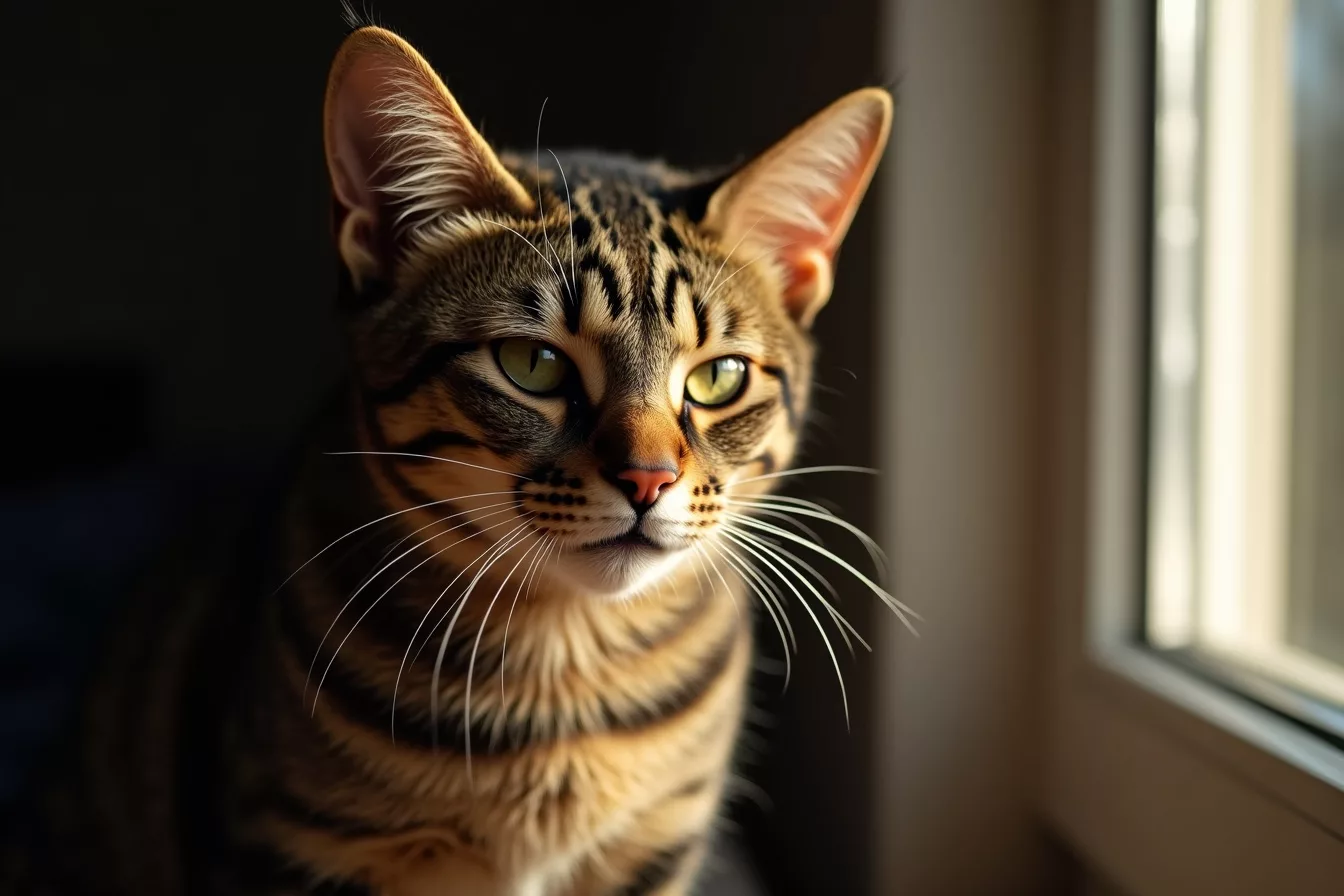

One in four UK cats will catch a respiratory infection this spring, yet most owners don’t recognise the early signs until their pet is seriously unwell. A 2025 study by the Royal Veterinary College found that 68% of feline flu cases diagnosed in spring were preventable with earlier intervention. In this article you’ll discover the five warning signs vets say owners routinely overlook—and the single most telling symptom that means you should ring your vet today, not tomorrow.
Why Spring Is Peak Cat Flu Season
Spring brings milder temperatures and longer daylight, but it also brings the perfect storm for cat flu viruses. Indoor cats spend more time near open windows; outdoor cats roam further and encounter infected strays. The feline calicivirus and herpesvirus both peak between March and May in the UK.
Cat flu isn’t like human flu—it’s far more serious. Untreated, it can cause secondary bacterial infections, chronic eye problems, and in elderly or immunocompromised cats, fatal pneumonia. Yet because the early symptoms are subtle, many owners assume their cat just has a minor cold.
📊 Key Figures 2025-2026
- 1 in 4 UK cats: Diagnosed with respiratory infection annually, peak in spring (PDSA Pet Health Report, 2025)
- 68% preventable: Cat flu cases could be caught earlier with owner awareness (Royal Veterinary College study, 2025)
- 3-5 days delay average: Time between symptom onset and vet visit; vets recommend within 24 hours (British Veterinary Association, 2026)
Sources: PDSA, RVC, BVA
Sign 1: The Subtle Sneeze You Think Is Dust
This is the sign owners miss most often. Your cat sneezes once or twice, and you think nothing of it. But flu sneezes are different: they’re wet, frequent, and often followed by a soft snuffling sound as your cat tries to clear nasal passages.
Unlike a single dust-triggered sneeze, cat flu sneezes happen in clusters—three to five in a row—and repeat throughout the day. Watch your cat’s nose and eyes: if you see a tiny amount of clear or slightly milky discharge, that’s a red flag.
Sign 2: Loss of Appetite (The Earliest Red Flag)
Cats are creatures of habit, so even a small shift in eating behaviour matters. If your cat leaves food uneaten, eats less than usual, or shows zero interest in their favourite treat, suspect illness first.
Flu causes inflammation in the mouth and throat, making swallowing painful. Your cat doesn’t understand why eating hurts, so they simply stop. This appetite loss often appears 12-24 hours before any other symptom, making it the earliest warning sign you can catch.
✅ Expert Tip
Keep a simple food diary for one week in early March. Note what and how much your cat eats each day. When spring arrives, you’ll instantly spot any dip in appetite. One vet, Dr Sarah Mitchell at Feline First Clinic in London, recommends photographing your cat’s bowl before and after mealtimes to track portion intake objectively.
Sign 3: Lethargy and Hiding (The Behaviour Shift)
Your usually playful tabby suddenly spends the whole day in a dark cupboard, ignoring toys and interaction. Lethargy is your cat’s way of conserving energy to fight off infection.
This behaviour change is often more obvious to owners than physical symptoms, yet many dismiss it as “my cat’s just being moody.” Combine lethargy with any other sign on this list, and you’ve got a medical emergency brewing.
Sign 4: Watery or Crusted Eyes
Cat flu damages the delicate tissue lining the eyes. Early signs are watery discharge that crusts over at the inner corner, or eyes that look slightly more squinted than normal. Some cats develop a mild conjunctivitis—redness and slight swelling of the eyelids.
This symptom is deceptive because cats’ eyes are naturally a bit moist. The difference: flu-related discharge is persistent, not occasional, and often appears from both eyes simultaneously.
⚠️ Warning
If your cat develops crusty eyes, squinted eyelids, or you notice pus-like discharge, contact your vet within 24 hours. Untreated eye inflammation in cat flu can lead to ulceration and permanent vision damage. Avoid home remedies; only saline rinses are safe until your vet has examined your cat.
Sign 5: Mouth Ulcers and Drooling
Calicivirus specifically causes painful ulcers inside the mouth and on the tongue. If your cat is drooling more than usual, has bad breath, or you glimpse red, raw patches inside the mouth, that’s a hallmark sign of flu—especially calicivirus.
Some owners mistake this for dental disease and delay seeking help. The key difference: dental disease develops over months; flu ulcers appear suddenly and spread rapidly across the mouth.
A Real Case: Mischief, the Bengal from Bristol
Mischief, a two-year-old Bengal, began showing faint sneezes and loss of appetite in mid-March 2025. Her owner, James, noticed she ate only half her breakfast but assumed spring stress was affecting her appetite. By day three, Mischief hid under the bed and developed watery eyes. James finally rang his vet, PDSA Bristol, on day four.
The diagnosis: early-stage calicivirus. Had James brought Mischief in on day one when appetite dropped, the vet would have prescribed antivirals immediately, shortening recovery by a week. Instead, Mischief spent two weeks recovering and developed a secondary ear infection. James now keeps a daily health checklist during spring.
What to Do If You Spot These Signs
Ring your vet the same day. Don’t wait for symptoms to worsen. Your vet will perform a physical examination and likely take a swab to confirm calicivirus or herpesvirus. Early treatment with antivirals, antibiotics (if secondary bacterial infection is present), and supportive care like IV fluids shortens illness duration dramatically.
If your cat is up to date on vaccinations (annual boosters are essential), the infection will typically be milder and shorter. Unvaccinated or under-vaccinated cats face far worse outcomes.
Cat flu in spring is common, but it’s far from inevitable. The five signs in this article—sneeze clusters, appetite loss, lethargy, eye discharge, and mouth ulcers—are your early warning system. Spot even one, and ring your vet. The difference between catching flu on day one versus day four can mean the difference between a week of recovery and a month of complications. Have you noticed any of these signs in your cat lately? Don’t delay—a quick call to your vet today could save your cat weeks of suffering.