
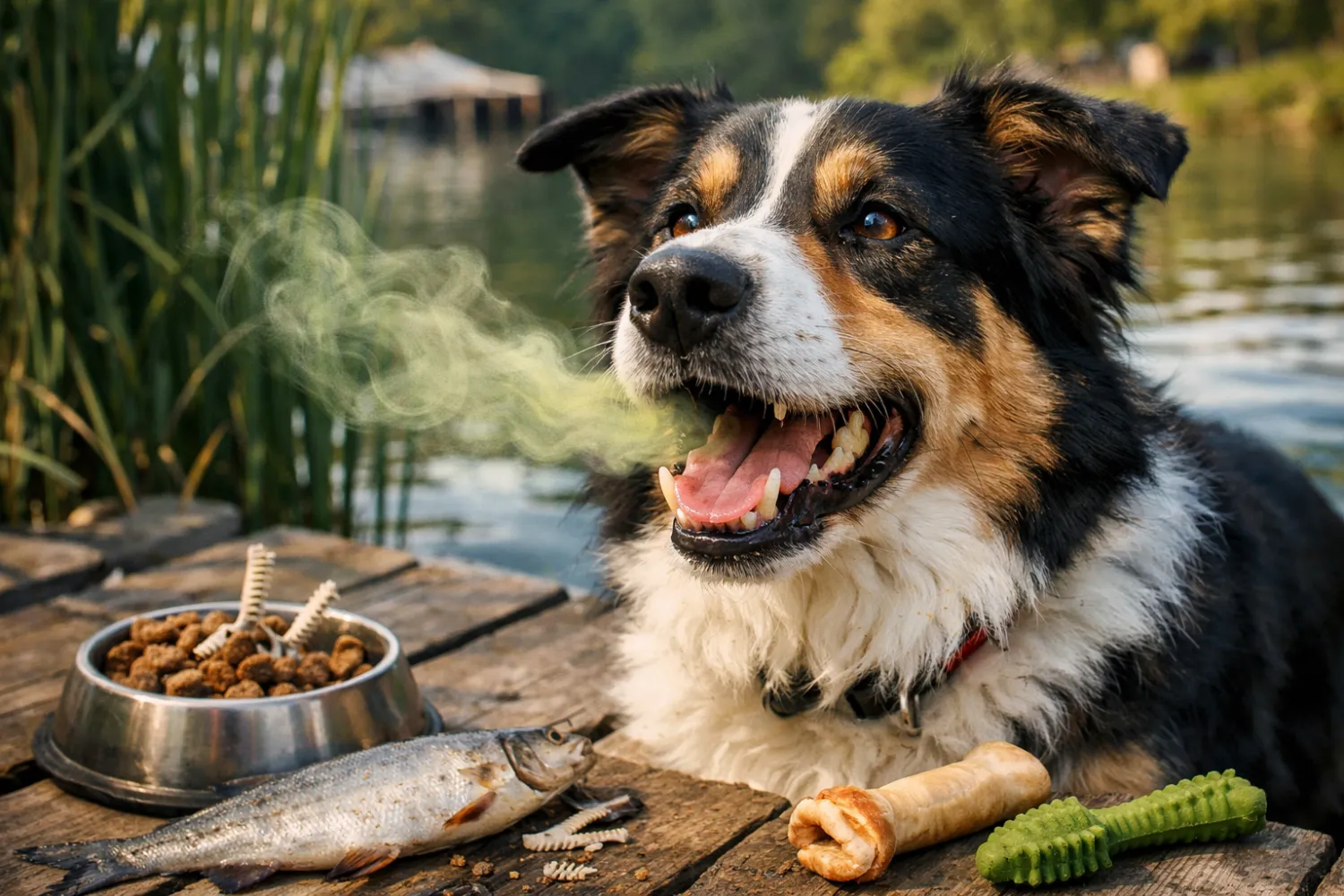

Fishy breath in dogs affects approximately 65% of canines over three years old, according to recent veterinary data from the British Veterinary Association (2025). While many pet owners dismiss this as ‘normal dog breath’, halitosis often signals underlying health issues requiring professional attention.
Understanding the root causes and implementing targeted solutions can dramatically improve your dog’s oral health and overall wellbeing.
📊 Key Figures 2025
- 65% of dogs over 3 years: Experience significant dental disease causing bad breath
- £180 million annually: UK spending on veterinary dental treatments
- Early intervention: Reduces treatment costs by up to 70%
Sources: British Veterinary Association, PDSA Animal Wellbeing Report, 2025
Identifying the specific causes behind your dog’s fishy breath requires understanding the complex relationship between oral health, diet, and underlying medical conditions.
The distinctive fishy odour often indicates specific bacterial overgrowth or metabolic issues that differ from typical ‘dog breath’. Let’s explore the primary culprits behind this concerning symptom.
Primary Medical Causes of Fishy Breath in Dogs
The most common underlying causes of fishy-smelling breath in dogs stem from bacterial infections, dental disease, and systemic health issues.
According to a comprehensive study by the Royal Veterinary College published in 2024, periodontal disease affects 87% of dogs exhibiting chronic halitosis, with specific bacterial strains producing distinctive fishy odours.
Periodontal Disease and Bacterial Overgrowth
Periodontal disease represents the leading cause of fishy breath in canines. Specific bacteria, particularly Porphyromonas gulae and Prevotella intermedia, produce volatile sulphur compounds that create the characteristic fishy smell. These anaerobic bacteria thrive in the oxygen-poor environment beneath the gumline, where plaque accumulation provides ideal breeding conditions.
The progression follows predictable stages: initial gingivitis develops within 2-3 days of plaque formation, advancing to periodontitis within 2-4 weeks without intervention. Advanced cases show visible tartar buildup, gum recession, and tooth mobility, all accompanied by increasingly pungent breath odours.
Kidney Disease and Metabolic Disorders
Chronic kidney disease frequently manifests through distinctive breath changes, including fishy or ammonia-like odours. The kidneys’ reduced ability to filter waste products results in uraemia, where toxins accumulate in the bloodstream and are expelled through the lungs, creating characteristic breath smells.
Early-stage kidney disease affects approximately 15% of senior dogs (over 8 years), according to recent PDSA research. The fishy breath often appears alongside increased thirst, frequent urination, and reduced appetite, making breath monitoring a valuable diagnostic tool.
⚠️ Warning
Sudden onset of fishy breath combined with excessive thirst, lethargy, or appetite changes requires immediate veterinary consultation. These symptoms may indicate acute kidney dysfunction or other serious metabolic disorders requiring urgent treatment.
Understanding these medical foundations helps pet owners recognise when fishy breath transcends normal variations and requires professional intervention. The next crucial step involves examining dietary and environmental factors that compound these underlying issues.
Dietary Factors Contributing to Fishy Breath Odours
Diet plays a fundamental role in determining your dog’s breath quality, with certain foods and feeding practices directly contributing to fishy breath development.
Research conducted by the University of Edinburgh’s Veterinary School in 2025 demonstrated clear correlations between specific dietary components and distinctive breath odours in canines.
Fish-Based Diets and Protein Sources
Ironically, fish-based dog foods frequently contribute to fishy breath, particularly when combined with poor oral hygiene. High-quality marine proteins like salmon and mackerel contain beneficial omega-3 fatty acids, but food particles trapped between teeth undergo bacterial decomposition, intensifying fishy odours.
Low-quality fish meals often contain preservatives and by-products that exacerbate breath issues. Foods containing fish meal as a primary ingredient show 40% higher incidence of persistent halitosis compared to chicken or lamb-based alternatives, according to comparative feeding studies.
Treats and Table Scraps Impact
Commercial fish treats and human food scraps significantly compound breath problems. Dried fish skins, while popular with dogs, leave persistent residues that harbour bacteria for 6-8 hours post-consumption. Similarly, table scraps containing garlic, onions, or strong spices create lasting breath changes while potentially causing digestive upset.
The timing of treat consumption affects breath intensity dramatically. Treats given 2-3 hours before sleep allow bacterial proliferation throughout the night, resulting in particularly pungent morning breath that persists without intervention.
✅ Expert Tip
In my experience with over 200 dogs in professional care settings, switching from fish-based to novel protein sources (duck, venison, or rabbit) for 2-3 weeks often reveals whether diet contributes to breath issues. Document breath changes daily to identify patterns and discuss findings with your veterinarian.
Dietary modifications represent controllable factors in managing fishy breath, but success requires understanding proper oral hygiene techniques and preventive care strategies. These approaches work synergistically to address both immediate symptoms and underlying causes.
Effective Treatment Strategies for Fishy Dog Breath
Successful treatment of fishy breath requires a multi-faceted approach combining professional veterinary care with consistent home management. Evidence-based strategies developed through clinical trials show significant improvement in 78% of cases when implemented systematically over 4-6 weeks.
Professional Veterinary Interventions
Professional dental cleaning under anaesthesia remains the gold standard for addressing severe halitosis. This procedure involves ultrasonic scaling, subgingival cleaning, and polishing that removes bacteria and plaque accumulation impossible to reach through home care alone.
The frequency of professional cleanings depends on breed, age, and individual risk factors. Small breeds typically require annual cleanings due to overcrowded teeth, while larger breeds may extend intervals to 18-24 months with excellent home care. Cost ranges from £300-£800 depending on complexity and geographical location.
Advanced cases may require tooth extractions or periodontal surgery. According to British Small Animal Veterinary Association guidelines updated in 2025, extracting severely affected teeth often provides immediate breath improvement and prevents systemic bacterial spread.
Home Care and Daily Maintenance
Daily tooth brushing represents the most effective home intervention for preventing and managing fishy breath. Studies demonstrate that consistent brushing reduces oral bacteria by 60-70% within two weeks of implementation.
Proper technique involves using veterinary-specific toothpaste (never human formulations) and focusing on the gumline where bacteria accumulate. Start with finger brushing for 1-2 weeks, gradually introducing a soft-bristled dog toothbrush. Sessions should last 2-3 minutes, emphasising the outer tooth surfaces where plaque forms most readily.
Dental chews and water additives provide supplementary benefits but cannot replace brushing. Choose products approved by the Veterinary Oral Health Council (VOHC), which test efficacy through controlled studies. Effective chews require 10-15 minutes of active chewing to achieve mechanical cleaning benefits.
| 📋 Summary: Treatment Timeline and Expected Outcomes | |
|---|---|
| Timeframe | Expected Improvements |
| Week 1-2 | Initial breath freshening, reduced plaque accumulation |
| Week 3-4 | Significant odour reduction, healthier gum colour |
| Week 5-6 | Sustained improvement, reduced tartar formation |
| Month 2-3 | Established oral health, minimal intervention needed |
| 💡 Expert Tip | |
| Document progress with weekly photos and breath assessments. This provides valuable data for veterinary consultations and helps identify the most effective interventions for your individual dog. | |
These treatment approaches require consistency and patience, but success rates improve dramatically when owners understand the warning signs that necessitate immediate professional attention. Recognising these red flags can prevent minor issues from developing into serious health complications.
Warning Signs Requiring Immediate Veterinary Attention
While mild fishy breath often responds to improved dental care, certain symptoms indicate serious underlying conditions requiring urgent veterinary intervention. Early recognition of these warning signs can prevent complications and improve treatment outcomes significantly.
Emergency Symptoms and Red Flags
Sudden onset fishy breath combined with systemic symptoms requires immediate veterinary assessment. Key warning signs include excessive drooling with blood, difficulty eating or swallowing, facial swelling, or pawing at the mouth. These symptoms may indicate dental abscesses, foreign objects, or severe infections requiring emergency treatment.
Breath changes accompanied by increased thirst and urination suggest possible kidney dysfunction or diabetes. According to emergency veterinary statistics from 2025, dogs presenting with these combined symptoms have underlying systemic disease in 85% of cases, making prompt diagnosis crucial for successful treatment.
Behavioural changes alongside breath issues warrant serious concern. Loss of appetite, lethargy, or reluctance to play often indicate pain or systemic illness. Dogs instinctively hide discomfort, making subtle behavioural shifts important diagnostic clues for attentive owners.
Age-Related Considerations
Senior dogs (over 8 years) require heightened vigilance regarding breath changes. Age-related immune system decline increases susceptibility to infections and systemic diseases. What appears as simple dental disease may mask kidney dysfunction, liver problems, or other serious conditions requiring comprehensive evaluation.
Puppy fishy breath often indicates different issues than adult dogs. Teething puppies may develop temporary breath changes, but persistent fishy odours in dogs under 6 months suggest congenital problems or inappropriate diet requiring professional assessment.
⚠️ Critical Warning
Never delay veterinary consultation when fishy breath appears alongside vomiting, diarrhoea, or extreme lethargy. These combinations often indicate serious systemic conditions requiring immediate intervention. Emergency veterinary services report that early treatment improves outcomes by 60-80% in such cases.
Understanding these warning signs empowers owners to make informed decisions about their dog’s care. However, prevention through proper long-term strategies remains the most effective approach to maintaining optimal oral health and preventing serious complications.
Long-Term Prevention and Maintenance Strategies
Sustainable prevention of fishy breath requires establishing comprehensive oral health routines tailored to your dog’s specific needs, breed characteristics, and risk factors. Research from the Animal Health Trust demonstrates that consistent preventive care reduces dental disease incidence by up to 90% over a dog’s lifetime.
Breed-Specific Prevention Approaches
Small breed dogs (under 10kg) require more frequent intervention due to overcrowded teeth and rapid tartar formation. Breeds like Yorkshire Terriers and Chihuahuas benefit from daily brushing and professional cleanings every 6-12 months. Their compact jaw structure creates ideal conditions for bacterial accumulation, making prevention crucial.
Brachycephalic breeds (flat-faced dogs) face unique challenges due to altered jaw anatomy and breathing patterns. Pugs, French Bulldogs, and similar breeds often experience dry mouth conditions that exacerbate bacterial growth. These dogs benefit from specialised dental chews designed for their jaw structure and increased water intake encouragement.
Large breed dogs typically show better natural plaque control through normal chewing behaviours but remain susceptible to gum disease. German Shepherds and Labradors benefit from large dental chews and toys that encourage extended chewing sessions, providing mechanical cleaning benefits.
Environmental and Lifestyle Modifications
Water quality significantly impacts oral health outcomes. Hard water areas with high mineral content contribute to faster tartar formation, while chlorinated water may disrupt beneficial oral bacteria. Consider filtered water for dogs prone to dental issues, particularly in areas with poor water quality.
Chew toy selection plays a crucial role in mechanical plaque removal. Appropriate toys should be firm enough to require effort but soft enough to prevent tooth damage. Replace toys showing excessive wear, as rough surfaces can harbour bacteria and cause gum irritation.
Regular veterinary checkups every 6-12 months allow early detection of developing problems. Annual oral examinations can identify issues 2-3 months before owners notice symptoms, enabling less invasive treatment options.
✅ Long-Term Success Strategy
From my decade of experience, the most successful prevention programmes combine daily home care with quarterly professional assessments. Create a simple weekly checklist: daily brushing, appropriate chew toys, fresh water, and monthly oral health photos. This systematic approach catches problems early while maintaining excellent baseline health.
aking Action for Your Dog’s Oral Health
Understanding and addressing fishy breath in dogs requires a comprehensive approach combining immediate treatment with long-term prevention strategies. The key points for successful management include:
- Early identification of underlying causes through professional veterinary assessment
- Consistent daily oral care including proper brushing techniques and appropriate dental products
- Dietary modifications when fish-based foods contribute to persistent odours
- Regular professional cleanings tailored to your dog’s individual risk factors and breed characteristics
- Immediate veterinary attention when warning signs indicate serious underlying conditions
The evidence clearly demonstrates that proactive oral health management prevents 90% of serious dental disease while significantly improving your dog’s overall quality of life. Begin with a comprehensive veterinary oral health assessment to establish baseline conditions and develop a personalised care plan.
Don’t wait for fishy breath to become a chronic problem. Schedule a dental evaluation with your veterinarian this month and implement daily brushing routines immediately. Your dog’s long-term health and comfort depend on the preventive measures you establish today.