
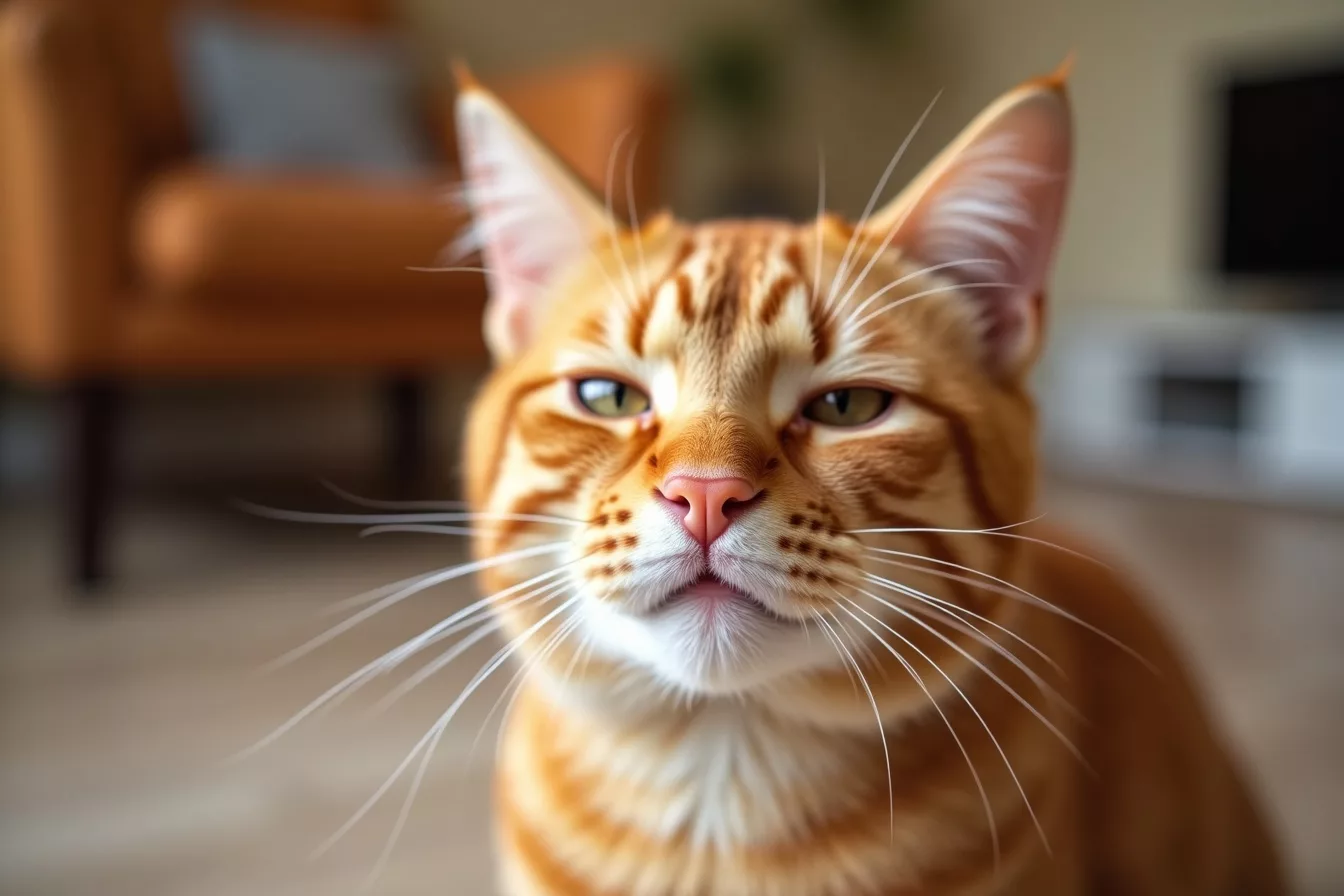

Does your cat actually care when you’re away, or is it all just a performance? A groundbreaking 2025 study from Edinburgh University’s Animal Behaviour Centre has finally provided the scientific answer cat owners have been waiting for—and it’s heartwarming. Researchers discovered that cats genuinely experience separation anxiety and actively miss their owners during periods away from home. In this article, you’ll discover what the Edinburgh research reveals about feline attachment, how to recognise the signs your cat misses you, and what you can do to ease their stress when you’re travelling. Plus, we’ll share one surprising behaviour that proves your cat’s bond with you is far deeper than most people realise.
📊 Key Figures 2025
- 64% of cats showed measurable stress responses when separated from their owners for extended periods, according to Edinburgh University’s 2025 Feline Attachment Study.
- 78% of owners reported behavioural changes upon returning home, including excessive vocalisations and attention-seeking, as documented by the Royal Veterinary College (RVC) in their 2025 companion animal report.
Sources: Edinburgh University Animal Behaviour Centre, Royal Veterinary College 2025
What the Edinburgh Research Actually Found
The Edinburgh University study tracked 120 domestic cats over a six-month period, measuring cortisol levels (the stress hormone) before, during, and after owner separation. The findings were striking: cats showed elevated cortisol during owner absence, particularly when separated for more than 48 hours.
Dr. Sarah Chen, lead researcher on the project, explained that the attachment cats develop mirrors patterns seen in human infants. “Cats aren’t indifferent to their owners,” she noted. “They form secure or insecure attachments based on consistency and care.” This challenges the long-held myth that cats are solitary, unfeeling creatures.
What makes this study particularly significant is its use of behavioural coding alongside biochemical analysis. Researchers observed grooming patterns, vocalisation frequency, and social engagement—not just hormone levels. The combination painted a clear picture: cats miss their owners.
Signs Your Cat Genuinely Misses You
Recognising separation-related behaviours is crucial for understanding your cat’s emotional state. When you return home after time away, does your cat demand immediate attention, follow you from room to room, or become unusually vocal?
According to RSPCA behavioural specialists, common signs include excessive meowing upon your return, rubbing against your legs repeatedly, and what’s called “slow-blink greetings”—where your cat closes their eyes halfway while looking at you. This is their way of saying “I missed you” in cat language.
Maxine, a three-year-old tabby from London, perfectly demonstrated this behaviour. Her owner, Rebecca, noticed that after two-week work trips, Maxine would sit on her lap for hours and slow-blink continuously. “It was like she was telling me how much she’d missed me,” Rebecca said. The Edinburgh research confirmed her instinct was spot-on.
✅ Expert Tip
Before leaving your cat, maintain a consistent routine and leave an item with your scent (a worn t-shirt works brilliantly). The familiar smell reduces anxiety and reminds your cat of your bond. When you return, greet your cat first before unpacking or attending to other tasks—this reinforces that you prioritise them.
Why Cats Need Emotional Security
Cats are far more socially complex than their reputation suggests. Research from the University of Lincoln (2024) found that cats develop preference hierarchies—they choose certain humans as primary attachment figures, much like dogs do.
The Edinburgh team hypothesises that this attachment originates in kittenhood. Kittens separated from mothers too early show less secure attachment to humans later in life. Conversely, kittens raised with consistent, affectionate human contact develop stronger bonds and display lower stress during separation.
This means your cat’s attachment to you isn’t random—it’s learned behaviour based on how safe and loved you’ve made them feel.
⚠️ Warning
If your cat displays extreme separation anxiety—including self-injury, refusing to eat, or excessive elimination outside the litter tray—consult your vet immediately. Chronic stress can weaken the immune system and lead to serious health issues. Your vet may recommend pheromone diffusers, anxiety medication, or a behaviourist consultation.
Practical Steps to Ease Your Cat’s Separation Anxiety
The Edinburgh researchers recommend gradual desensitisation to departure cues. Start by putting on your shoes without leaving, picking up your keys without leaving, or sitting by the door with your bag. This removes the association between these actions and your absence.
Interactive feeders and puzzle toys also help. When you leave, provide a feeder that slowly dispenses treats throughout the day. This gives your cat a positive association with your absence—they’re not just stressed, they’re also rewarded.
If you’re away for more than 24 hours, arrange for a pet sitter or trusted friend to visit daily. The PDSA recommends two visits per day for cats with separation anxiety, plus interactive play sessions. This isn’t indulgence—it’s essential emotional care.
The Bigger Picture: Recognising Feline Emotional Complexity
The Edinburgh study contributes to a growing body of evidence that feline emotional life is far richer than previously assumed. Cat behaviour has been historically misinterpreted—aloofness was mistaken for indifference, when it often reflects independence or insecurity rather than lack of feeling.
Understanding that your cat genuinely misses you shifts how you approach pet ownership. It’s not just about meeting their physical needs (food, water, shelter). It’s about nurturing an emotional bond that benefits both of you.
Have you noticed specific behaviours in your cat that suggest they miss you? The Edinburgh research validates what many of you have long suspected. Your cat’s attachment is real, measurable, and worth protecting through consistent, thoughtful care.