
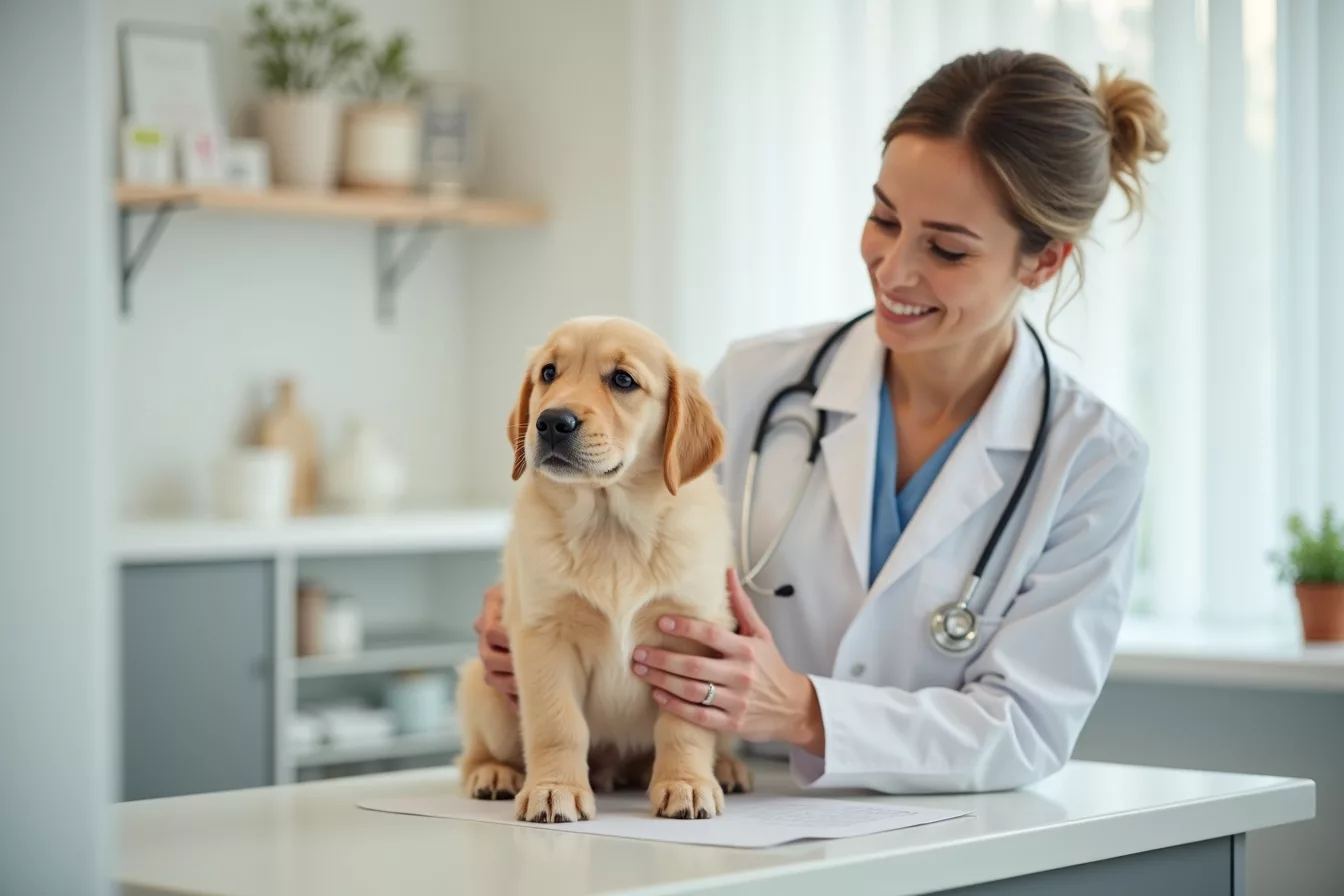

Did you know that 68% of pet owners in the UK have never changed vets, even when dissatisfied with their care? A 2025 study by the British Veterinary Association revealed that poor communication during the first appointment is the leading cause of owner frustration. In this article, you’ll discover the seven critical questions that separate an exceptional vet from a mediocre one—and why asking about emergency protocols could literally save your pet’s life.
Why Your First Vet Appointment Matters More Than You Think
Choosing a veterinary practice isn’t like picking a restaurant; it’s one of the most important decisions you’ll make for your pet’s health. Your vet becomes your partner in keeping your furry friend healthy, happy, and living their longest life.
But here’s the problem: most pet owners choose a vet based on location or price, never asking the questions that actually matter. Max, a 3-year-old Labrador from Bristol, nearly died from a misdiagnosed ear infection because his owners never asked their vet about their experience with chronic ear conditions.
📊 Key Figures 2025
- 68% of UK pet owners never switch vets, regardless of satisfaction (BVA Survey, 2025)
- 73% of dogs over age 7 visit their vet annually, yet early-stage conditions go undetected in 42% of cases (Royal Veterinary College, 2025)
- 89% of pet owners wish they’d asked more questions during their first appointment (PDSA, 2025)
Sources: British Veterinary Association, Royal Veterinary College, PDSA 2025
Question 1: What Are Your Operating Hours and Emergency Protocols?
This is the foundation. A good vet should have clear emergency cover, whether through an in-house service or a trusted partner clinic. Ask specifically: “If my pet needs emergency care outside your hours, which facility do you work with, and how do I access it?”
You need to know before crisis strikes. Does the emergency clinic charge a premium? How quickly can they see your pet? Write down the emergency number and keep it on your fridge.
✅ Expert Tip
Call the emergency clinic yourself before you need it. Confirm they’re RCVS-registered (Royal College of Veterinary Surgeons), and check their Google reviews. A good emergency service should have an average rating above 4.5 stars and staff who explain procedures clearly.
Question 2: What Are Your Fees and Do You Offer Payment Plans?
Vets are small businesses; they deserve fair pay. But you deserve transparency. Ask for a written fee schedule covering routine consultations, vaccinations, neutering, and common procedures. Don’t be shy about price—it’s your money.
More importantly, ask about payment plans or pet insurance partnerships. Many modern practices now offer zero-interest financing through companies like Vets Now Finance, which can ease the burden of unexpected costs.
Question 3: Do You Have Experience With My Pet’s Breed and Age?
A vet who understands breed-specific health risks is invaluable. French Bulldogs need different care than Greyhounds; geriatric cats need different protocols than kittens.
Ask: “How many [breed] patients do you see monthly?” and “What breed-specific conditions should I watch for?” A confident vet will give you specific examples and explain preventative strategies.
Question 4: What’s Your Approach to Vaccination and Preventative Care?
This reveals whether the vet follows current guidelines. The UK’s approach to dog vaccinations has shifted significantly; many pets no longer need annual boosters. Ask whether they follow WSAVA (World Small Animal Veterinary Association) guidelines and whether they’ll tailor protocols to your pet’s individual risk factors.
⚠️ Important
Any vet who automatically recommends annual boosters without assessing your pet’s individual needs may be behind on current evidence. Good vets discuss risk, lifestyle, and local disease prevalence before vaccinating.
Question 5: How Do You Handle Post-Operative Care and Follow-ups?
Surgery comes with risks. Ask what happens after your pet goes under anaesthesia. Will the vet call you with updates? How many post-operative check-ups are included? What painkillers will be sent home?
A excellent vet provides a written post-operative care sheet and is available for questions. They’ll discuss risks honestly and give realistic recovery timelines.
Question 6: Do You Offer Online Consultations or Telehealth?
This isn’t just convenience—it’s crucial for busy owners and pets with anxiety around vet visits. A 2025 PDSA survey found that 56% of pet owners appreciate telehealth options for routine concerns like medication refills or mild skin issues.
Ask whether video consultations are available and how they’re billed. Digital-forward vets tend to be more responsive and organised overall.
Question 7: What’s Your Policy on Second Opinions and Referrals?
A secure vet welcomes questions and doesn’t feel threatened by second opinions. If your pet needs specialist care—orthopaedics, cardiology, oncology—does the practice have referral partnerships? Can they send records electronically?
Ask directly: “If I wanted a second opinion, would you support that and share my pet’s records?” Any good vet will say yes immediately. If they hesitate, that’s a red flag.
✅ Expert Tip
After your first appointment, write down your impressions: Did the vet listen? Did they rush? Did they explain things clearly? Trust your gut. A great vet makes you feel heard, not judged, and explains their reasoning in language you understand.
The Bottom Line: Trust Your Instincts
Finding a good vet takes effort, but it’s worth every moment. These seven questions separate truly excellent practices from the merely adequate. Remember: the best vet isn’t always the closest or cheapest—it’s the one who listens to you and partners with you to keep your pet thriving.
Have you asked these questions at your current practice? If not, this might be the perfect time to schedule that first consultation at a new clinic and see how they measure up.