
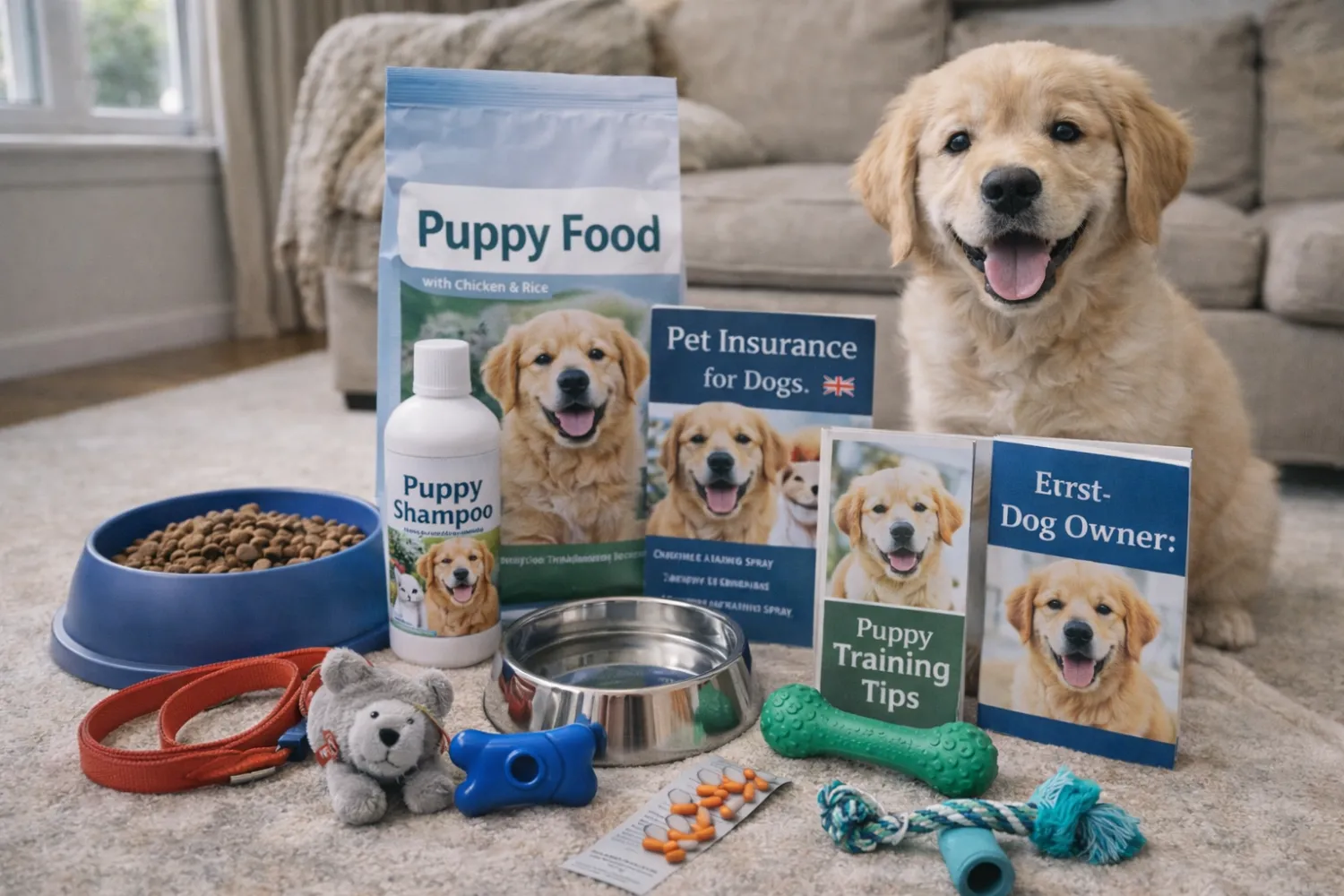

According to the Pet Food Manufacturers’ Association (PFMA) 2025 report, 34% of UK households now own a dog, with first-time owners accounting for nearly half of new adoptions post-pandemic. While bringing home your first canine companion is incredibly exciting, proper preparation can mean the difference between a smooth transition and overwhelming chaos.
Understanding the essential requirements, from initial costs to long-term commitment, ensures both you and your new furry family member start off on the right paw.
The journey from considering dog ownership to actually bringing your pet home involves numerous decisions and preparations. Many first-time owners underestimate the scope of responsibility involved, leading to stress for both human and dog.
Let’s explore the fundamental requirements that every new dog owner must consider before and after adoption.
Essential Pre-Adoption Planning for New Dog Owners
Before you even visit a shelter or breeder, thorough preparation sets the foundation for successful dog ownership. This planning phase determines whether you’re truly ready for the 10-15 year commitment ahead.
According to a 2025 study by the Royal Veterinary College (RVC), dogs surrendered within the first six months typically come from households that failed to adequately prepare for ownership.
📊 Key Figures 2025
- Average annual cost: £1,875 for medium-sized dogs (PDSA Pet Wellbeing Report 2025)
- Initial setup costs: £200-£400 for essential equipment
- Veterinary expenses: £600-£1,200 annually including routine care
Sources: PDSA, Dogs Trust, BVA 2025
Choosing the Right Breed for Your Lifestyle
Breed selection significantly impacts your daily routine, living space requirements, and long-term happiness. The Kennel Club’s 2025 breed compatibility survey reveals that lifestyle mismatches cause 40% of rehoming cases within two years.
Consider these crucial factors:
- Exercise requirements: Border Collies need 2+ hours daily, whilst Bulldogs require only 30-60 minutes
- Space needs: Great Danes adapt well to flats despite their size, but Jack Russell Terriers need secure gardens
- Grooming demands: Poodles require professional grooming every 6-8 weeks (£40-£80 per session)
- Health predispositions: Brachycephalic breeds face higher veterinary costs due to breathing issues
✅ Expert Tip
I always recommend first-time owners spend time with their chosen breed through local rescue centres or breed-specific meet-ups. Last year, I helped a client who thought they wanted a Husky until they experienced the reality of 3-hour daily exercise requirements and vocal nature during a fostering weekend.
Financial planning extends beyond the purchase price or adoption fee. Smart budgeting prevents unexpected veterinary bills from becoming overwhelming burdens.
Must-Have Equipment and Supplies for New Dog Parents
Creating a comprehensive shopping list prevents last-minute panic purchases and ensures your dog’s immediate needs are met upon arrival. Quality equipment proves more economical long-term than repeatedly replacing cheap alternatives.
The RSPCA’s 2025 welfare guidelines emphasise that proper equipment directly correlates with successful integration and reduced behavioural issues.
| 📋 Essential Equipment Checklist | |
|---|---|
| Category | Essential Items |
| Feeding | Stainless steel bowls, elevated feeder (large breeds), food storage container |
| Safety | Properly fitted collar, 6ft training lead, ID tag, harness for pulling dogs |
| Comfort | Appropriately sized bed, crate (airline approved), blankets |
| Hygiene | Dog shampoo, nail clippers, toothbrush, ear cleaner, waste bags |
| Entertainment | Variety of toys (rope, rubber, puzzle), chew items, treat-dispensing toys |
| 💡 Expert Tip | |
| Invest in adjustable collars and extendable leads for growing puppies. I’ve seen too many owners purchase multiple sets as their puppy outgrows equipment within months. Quality adjustable gear grows with your dog and proves more economical. | |
Creating a Safe Home Environment
Dog-proofing your home prevents accidents, protects valuable items, and reduces stress during the adjustment period. According to veterinary emergency data from 2025, 60% of puppy-related incidents occur within the first month due to inadequate preparation.
Key areas requiring attention include:
- Electrical hazards: Secure loose cables, cover outlets, remove chargers from floor level
- Toxic substances: Store cleaning products, medications, and human food in locked cupboards
- Choking risks: Remove small objects, secure bins, eliminate access to children’s toys
- Escape routes: Check fence integrity, secure gates, block access to dangerous areas
⚠️ Warning
Common household plants like lilies, azaleas, and sago palms are extremely toxic to dogs. The Animal Poison Control Centre reports a 15% increase in plant-related poisonings during 2025, often from newly adopted dogs exploring their environment.
With your home prepared and equipment ready, understanding your dog’s health requirements becomes the next critical priority.
Health and Veterinary Care Fundamentals
Establishing a relationship with a qualified veterinarian before bringing your dog home ensures immediate access to professional care when needed. Preventative healthcare proves significantly more cost-effective than treating advanced conditions.
The British Veterinary Association’s 2025 guidelines recommend scheduling an initial health check within 48 hours of adoption, regardless of the dog’s apparent condition.
Vaccination and Preventative Care Schedule
Modern vaccination protocols protect against multiple serious diseases while minimising unnecessary interventions. The World Small Animal Veterinary Association’s 2025 guidelines emphasise risk-based vaccination tailored to individual circumstances.
Essential vaccinations include:
- Core vaccines: Distemper, hepatitis, parvovirus, parainfluenza, kennel cough
- Risk-based vaccines: Leptospirosis (countryside areas), kennel cough (boarding/daycare)
- Annual boosters: Required for maintaining immunity and insurance validity
- Rabies vaccination: Mandatory for international travel, optional for UK-only dogs
📊 Healthcare Costs 2025
- Initial vaccinations: £100-£150 for complete course
- Annual health checks: £45-£65 including routine vaccinations
- Emergency consultations: £80-£200 depending on severity
- Pet insurance premiums: £15-£50 monthly (age and breed dependent)
Sources: BVA Fee Survey, Pet Insurance Comparison 2025
Parasite Prevention and Control
Regular parasite prevention protects both your dog’s health and your family’s wellbeing. Modern preventative treatments prove more convenient and effective than treating established infestations.
According to the European Scientific Counsel Companion Animal Parasites (ESCCAP) 2025 guidelines:
- Flea prevention: Monthly treatments year-round, with environmental control during infestations
- Worm control: Every 3-6 months for adults, more frequently for puppies
- Tick prevention: Essential in rural areas or for dogs visiting countryside
- Heartworm prevention: Increasingly important due to climate change expanding mosquito ranges
Understanding nutritional requirements ensures your dog receives optimal fuel for growth, energy, and longevity.
Nutrition and Feeding Guidelines for Optimal Health
Proper nutrition forms the foundation of canine health, influencing everything from coat quality to immune function. Life-stage appropriate feeding prevents nutritional deficiencies while avoiding overfeeding-related health issues.
The Pet Food Manufacturers Association’s 2025 nutrition survey reveals that 42% of UK dogs are overweight, primarily due to portion size miscalculations and excessive treats.
Choosing High-Quality Dog Food
Understanding pet food labelling helps identify genuinely nutritious options amongst marketing claims. AAFCO-approved foods meet established nutritional standards, whilst ‘complete and balanced’ labels indicate comprehensive nutrition.
Key considerations include:
- Life stage appropriateness: Puppy, adult, or senior formulations address changing needs
- Protein quality: Named meat sources (chicken, beef, fish) provide superior amino acid profiles
- Carbohydrate sources: Whole grains or vegetables offer sustained energy release
- Added nutrients: Omega-3 fatty acids, probiotics, and antioxidants support overall health
✅ Expert Tip
Transition to new foods gradually over 7-10 days to prevent digestive upset. I recommend mixing 25% new food with 75% old food for 2-3 days, then 50/50, then 75% new food before switching completely. This approach prevents the diarrhoea and vomiting I’ve seen with sudden dietary changes.
Establishing Healthy Feeding Routines
Consistent feeding schedules support digestive health, aid house training, and provide structure for anxious dogs. Adult dogs typically thrive on twice-daily feeding, whilst puppies require more frequent meals.
Portion control guidelines based on the Association of American Feed Control Officials (AAFCO) 2025 standards:
- Puppy feeding: 3-4 meals daily until 6 months, then transition to adult schedule
- Adult portions: Follow manufacturer guidelines but adjust based on body condition
- Senior adjustments: Reduced portions may be necessary due to decreased activity levels
- Treat limitations: Maximum 10% of daily calories to prevent nutritional imbalance
Nutrition provides the foundation, but behavioural training shapes your dog into a well-adjusted family member.
Training and Socialisation Essentials
Early training and socialisation prevent behavioural issues whilst strengthening the human-dog bond. Positive reinforcement methods prove more effective and humane than punishment-based approaches.
The Association of Pet Behaviour Counsellors’ 2025 research demonstrates that dogs receiving structured training within the first three months show 70% fewer behavioural problems throughout their lives.
Fundamental Training Commands
Teaching basic commands ensures your dog’s safety and your peace of mind in various situations. Consistency and patience during training sessions yield better results than intensive but irregular efforts.
Essential commands include:
- Sit: Foundation command for impulse control and attention
- Stay: Crucial for safety around roads, doorways, and food
- Come: Life-saving recall command for off-lead situations
- Down: Calming command useful in exciting situations
- Leave it: Prevents consumption of dangerous items
Socialisation Window and Opportunities
Early socialisation between 3-16 weeks creates confident, well-adjusted adults. However, socialisation remains beneficial throughout a dog’s life.
According to the Kennel Club’s 2025 behavioural study, properly socialised puppies show 60% less aggression and anxiety in adulthood:
- People exposure: Various ages, ethnicities, and clothing styles
- Animal interactions: Other dogs, cats, livestock (supervised)
- Environmental experiences: Urban sounds, rural settings, vehicles
- Handling practice: Grooming, veterinary examinations, nail trimming
⚠️ Warning
Avoid dog parks until your puppy completes their vaccination course (typically 10-12 weeks). Uncontrolled interactions with unknown dogs can create negative associations and expose vulnerable puppies to disease. Structured puppy classes provide safer socialisation opportunities.
Beyond the immediate necessities, understanding long-term commitments helps first-time owners prepare for the journey ahead.
Long-Term Commitment and Lifestyle Adjustments
Dog ownership involves daily responsibilities that continue for 10-15 years, requiring significant lifestyle modifications. Realistic expectations prevent disappointment and ensure your commitment remains strong through challenging periods.
The Dogs Trust’s 2025 surrender statistics show that lifestyle incompatibility accounts for 35% of dogs entering rescue centres, often from owners who underestimated the long-term commitment involved.
Daily Exercise and Mental Stimulation Requirements
Regular exercise maintains physical health whilst mental stimulation prevents destructive behaviours. Breed-specific requirements vary dramatically, influencing your daily schedule significantly.
Exercise guidelines from the British Veterinary Association include:
- High-energy breeds: 2+ hours daily including off-lead running
- Moderate exercise dogs: 1-2 hours combining walks and play
- Low-energy breeds: 30-60 minutes gentle exercise
- Mental stimulation: 15-30 minutes daily through training or puzzle toys
Financial Planning for Lifetime Costs
Comprehensive budgeting prevents financial stress from compromising your dog’s care. Costs increase with age due to medical requirements, whilst unexpected veterinary bills can reach thousands of pounds.
Lifetime cost projections based on PDSA 2025 data:
- Small breeds: £16,000-£20,000 over 12-15 years
- Medium breeds: £18,000-£25,000 over 10-13 years
- Large breeds: £20,000-£30,000 over 8-12 years
- Emergency fund: £2,000-£5,000 recommended for unexpected treatments
✅ Expert Tip
Start a dedicated ‘dog fund’ immediately, even before adoption. I recommend setting aside £50-£100 monthly for veterinary emergencies. Last month, I helped a client whose young Labrador required £3,000 surgery for foreign body ingestion. Their emergency fund prevented the heartbreaking choice between debt and euthanasia.
Travel and Holiday Considerations
Holiday planning becomes more complex with dogs, requiring advance booking and additional expenses. Quality care options ensure your dog’s wellbeing whilst you’re away.
Available options include:
- Professional boarding: £25-£50 daily for licensed facilities
- Home pet-sitting: £30-£60 daily for in-home care
- Dog-friendly holidays: Increasingly available but require advance planning
- Family/friend care: Cost-effective but requires reliable, knowledgeable caregivers
Understanding these long-term commitments helps ensure you’re truly prepared for the rewarding but demanding journey of dog ownership.
Building a Support Network and Resources
Successful dog ownership benefits enormously from professional support and community connections. Establishing relationships with veterinarians, trainers, and fellow dog owners provides guidance during challenging periods.
Research from the British Veterinary Association shows that owners with strong support networks report higher satisfaction and lower stress levels throughout their dog’s lifetime.
Professional Services and When to Use Them
Knowing when to seek professional help prevents minor issues from becoming major problems. Early intervention often resolves behavioural and health concerns more effectively than waiting for escalation.
Essential professional services include:
- Veterinary care: Annual health checks, vaccinations, and illness treatment
- Professional grooming: Nail trimming, coat maintenance, skin health
- Dog training classes: Structured learning environments for you and your dog
- Behavioural consultants: Specialists for aggression, anxiety, or complex issues
Dog ownership transforms from overwhelming responsibility into joyful partnership when you’re properly prepared and supported.
Setting Yourself Up for Success
Successful first-time dog ownership stems from thorough preparation, realistic expectations, and commitment to your dog’s long-term wellbeing. The investment in proper equipment, training, and healthcare pays dividends through years of companionship and joy.
Remember these key priorities:
- Choose a breed that matches your lifestyle, living situation, and experience level
- Budget comprehensively for initial costs, ongoing expenses, and emergency veterinary care
- Establish veterinary care immediately and maintain preventative health protocols
- Invest in early training and socialisation for long-term behavioural success
- Build a support network of professionals and experienced dog owners
Schedule a consultation with a local veterinarian before bringing your dog home, and consider enrolling in puppy classes within the first few weeks.
Your journey as a dog owner will be filled with challenges and rewards – proper preparation ensures the rewards far outweigh the difficulties. For guidance on specific training techniques, explore our comprehensive puppy training guides and socialisation strategies.