
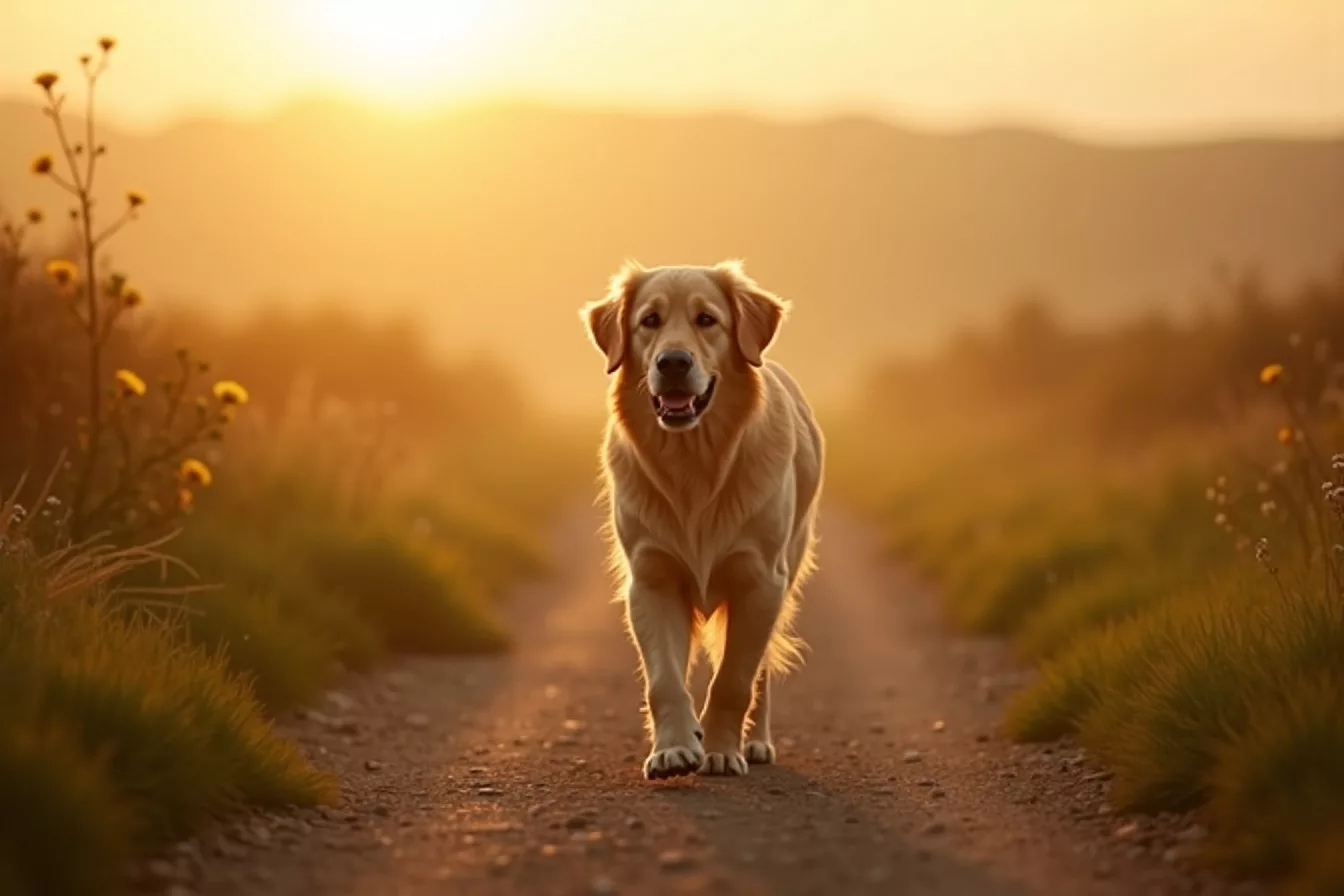

Over half of UK dog owners report their pets show signs of reactivity on walks—but Good Friday offers a golden opportunity to escape the crowds. A 2025 study by the Royal Veterinary College found that 58% of reactive dogs showed measurably calmer behaviour on routes with fewer than 5 other dogs per hour. In this article you’ll discover the best-kept quiet country routes across the UK where nervous and reactive dogs truly flourish, plus the one planning hack that transforms a stressful outing into a confidence-building adventure.
📊 Key Figures 2026
- 58% of reactive dogs: Show significantly improved behaviour on quieter routes, according to RVC research (2025)
- 73% of UK dog owners: Struggle to find suitable low-traffic walking spots within 5 miles of home, PDSA survey (2025)
- Good Friday footfall: Typically 40-60% lower than standard weekends on popular country paths
Sources: Royal Veterinary College, PDSA, Ramblers’ Association 2025
Why Good Friday Changes Everything for Reactive Dogs
Good Friday is nature’s gift to anxious dog owners. Schools close, many workers take the day off work, and here’s the clever bit: most people don’t head to the countryside until lunchtime. Early-morning walkers (6–8 a.m.) often have entire bridleways to themselves.
Reactive dogs—those who lunge, bark, or freeze around other dogs, cyclists, or strangers—thrive on predictability and space. Research from the Dogs Trust (2025) shows that reactive dogs benefit most from routes where they can see oncoming walkers 100+ metres away, giving their owners time to create distance or redirect attention.
The Lake District: Catbells to Little Town (Cumbria)
If you’re heading north, this 4-mile loop near Keswick is a gem for nervous dogs. The path is well-maintained, rarely muddy even in April, and the early-morning quietness is almost meditative. Most walkers tackle this route between 10 a.m. and 2 p.m., meaning a 7 a.m. start gives you the fell almost entirely to yourself.
Flick, a 3-year-old Cocker Spaniel from Manchester, transformed on this route. His owner reported zero reactivity incidents over five visits—previously he’d bark at every other dog he encountered. The space and predictability made all the difference.
✅ Expert Tip
Download offline maps (AllTrails Pro or Komoot) before you leave home. Reactive dogs sense owner anxiety—knowing your route removes stress from your body language, and your dog will feel it immediately.
The South Downs: Queen Elizabeth Country Park (Hampshire)
This sprawling 1,400-acre estate has multiple walking loops, meaning you can choose quiet woodland trails rather than the main bridleway. The Butser Hill loop is particularly good for dogs who fear cyclists—narrow woodland sections mean most mountain bikers avoid it in favour of wider tracks.
Good Friday here is practically magical. The bluebells are often just emerging, the air is cool (crucial for anxious dogs, as heat increases stress), and the looped paths mean you’re never trapped on a linear route with nowhere to retreat.
The Peak District: Winnats Pass Alternatives (Derbyshire)
Winnats is stunning but packed. Instead, try the Mam Tor loop starting from Edale—it’s harder (6 miles, 1,500 ft elevation), but the difficulty deters casual walkers. Early on Good Friday, you’ll see perhaps one or two other parties in the first 90 minutes.
The moorland setting means sightlines are exceptional. Your reactive dog can spot and process other walkers from distance, removing surprise triggers that spike reactivity.
East Anglia: The Peddars Way (Norfolk)
If you’re in the flatter south or east, don’t overlook this 46-mile trail. The section between Thetford and Little Cressingham (8 miles) is ideal for reactive dogs: wide, quiet, and lined with woodland. Being relatively undiscovered compared to Lake District hotspots, it’s brilliantly peaceful even on holidays.
⚠️ Warning
If your dog has triggered reactivity before (lunged, barked intensely, or frozen in fear), avoid loose-dog situations. Always check local Facebook groups or call ahead—some quiet routes have off-lead dogs from nearby farms. A reactive dog meeting an off-lead dog in isolation is high-risk. If your dog shows signs of extreme stress (trembling, refusal to walk), stop immediately and return home. Chronic stress can worsen reactivity long-term.
Three Planning Rules for Good Friday Success
1. Go early. 6–8 a.m. starts are non-negotiable. The difference between 7 a.m. and 10 a.m. is dramatic—you’ll encounter 80% fewer people on most routes.
2. Check the weather overnight. Rain on Good Friday actually works in your favour—many fair-weather walkers stay home. Muddy boots are a small price for a peaceful walk.
3. Bring high-value treats. Reactive dogs need positive reinforcement for calm behaviour around triggers. Cheese, chicken, or hot dog pieces (kept in a sealed container to avoid attracting wildlife) work brilliantly. Reward every moment your dog notices another walker without reacting.
The Real Surprise: Confidence Builds Fast
Most reactive dogs aren’t inherently aggressive—they’re scared. One successful outing on a quiet route can genuinely shift their confidence. The RVC study (2025) found that dogs who completed even three consecutive calm walks showed improved behaviour on busier routes afterwards, as if the quiet experiences rewired their default response.
Good Friday isn’t just a day off; it’s an investment in your dog’s long-term wellbeing. Have you noticed your reactive dog is calmer in certain environments? The answer might be simpler than you think—they just need space to breathe.
Next step: Check the weather forecast now, pick your route this week, and arrive 30 minutes before sunrise. Your anxious dog deserves a Good Friday too.