
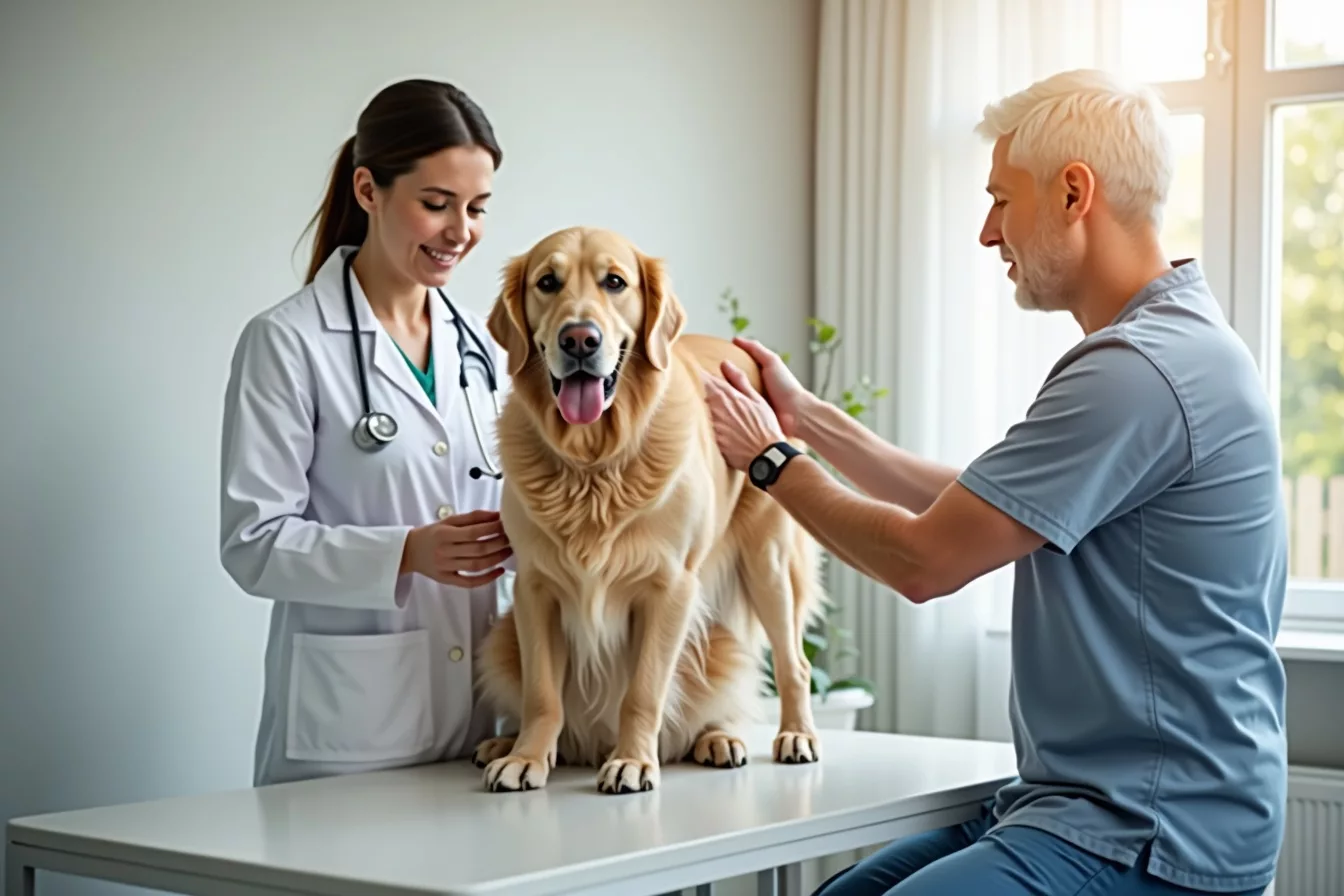

Half of all UK pets are now classified as overweight or obese, according to the latest PDSA Animal Wellbeing Report 2025. This shocking statistic has sparked urgent conversations amongst vets, pet owners, and animal welfare charities across Britain. In this article you’ll discover what the report reveals, why your pet might be at risk, and the single most effective way to help your dog or cat reach a healthier weight. The data suggests that many owners simply don’t realise their beloved companion is carrying excess weight—and that awareness alone can transform their pet’s future health.
📊 Key Figures 2025
- 50% of UK pets: Classified as overweight or obese, per PDSA Animal Wellbeing Report 2025
- 73% of owners: Unaware their pet weighs more than is healthy, according to British Veterinary Association (BVA) research 2024
- Cost impact: Obesity-related vet bills can reach £2,000+ annually per pet in the UK
Sources: PDSA, BVA, Royal Veterinary College 2025
Why Are So Many UK Pets Overweight?
The PDSA report points to several culprits: sedentary lifestyles, excess treats, and portion creep. Many owners treat their pets like furry family members—which is lovely—but inadvertently overfeed them from love rather than necessity. A small dog needs far fewer calories than most people assume, yet receives biscuits at breakfast, lunch snacks, dinner scraps, and evening rewards.
Post-pandemic behaviour changes have also played a role. During lockdowns, pets gained weight alongside their owners. Now, even as routines shift, many pets haven’t returned to active exercise patterns. A Yorkshire Terrier named Bella, from Manchester, gained 3kg in two years—bringing her to nearly double her ideal weight—before her owner recognised the problem.
✅ Expert Tip
Use a body condition score chart (available free from your vet or the RSPCA website) to assess your pet’s weight monthly. If you can’t feel ribs easily under gentle pressure, or your pet has lost their waist definition, they’re likely overweight. This single habit—measuring progress objectively—changes owner behaviour faster than any scale reading.
Health Consequences Beyond the Numbers
Excess weight isn’t just cosmetic. Overweight pets face higher risks of diabetes, joint disease, heart problems, and certain cancers. The PDSA report highlights that obesity shortens lifespan by an average of two years in dogs and cats. For a pet owner, that’s two years fewer cuddles, fewer walks, fewer memories.
Veterinary behaviourist Dr Sarah Whitmore, from the Royal Veterinary College, emphasises: “Owners often underestimate how dramatically weight loss improves quality of life. A previously lethargic dog becomes playful again. A cat jumps onto furniture it couldn’t reach before. The transformation is remarkable.”
⚠️ Warning
Never put your pet on a crash diet without veterinary guidance. Rapid weight loss can cause hepatic lipidosis in cats (a serious liver condition) or muscle loss in dogs. Always consult your vet before changing diet or exercise, especially if your pet has pre-existing health conditions.
The Path Forward: Three Practical Steps
1. Measure portions precisely. Use a proper measuring cup, not a handful or “eyeball” estimate. Most owners overfeed by 20-30%. Your vet can calculate exact daily calories based on your pet’s age, breed, and activity level.
2. Swap treats for play. Instead of food rewards, use interactive toys, walks, or fetch sessions. This addresses both weight and mental enrichment—a win-win. The RSPCA recommends treats comprise no more than 10% of daily calorie intake.
3. Schedule a “weight check” appointment. Many vets offer free nurse consultations focused purely on weight management. This removes the cost barrier and provides professional accountability.
The PDSA’s Call to Action
The 2025 report doesn’t just present statistics—it urges pet owners to view weight management as an act of love, not restriction. The charity is campaigning for mandatory weight discussions at every annual pet check-up, and for schools to include pet nutrition education. Early intervention, they argue, saves both money and suffering.
Many UK vets now offer specialised weight-loss programmes with monthly weigh-ins, dietary advice, and even exercise plans. Some practices partner with pet insurance companies to subsidise these services, recognising that prevention costs far less than treating obesity-related diseases.
A Final Thought
The PDSA’s 2025 findings are a wake-up call, but also an opportunity. If half of UK pets are overweight, that means your vet sees this regularly and has proven strategies to help. The most surprising discovery for many owners is how quickly they see results—often within 8-12 weeks, pets become visibly more active and playful. Have you noticed your own pet slowing down or struggling to jump? A conversation with your vet today could add years of quality time with your furry friend. Start by booking a free weight-check consultation this month.