
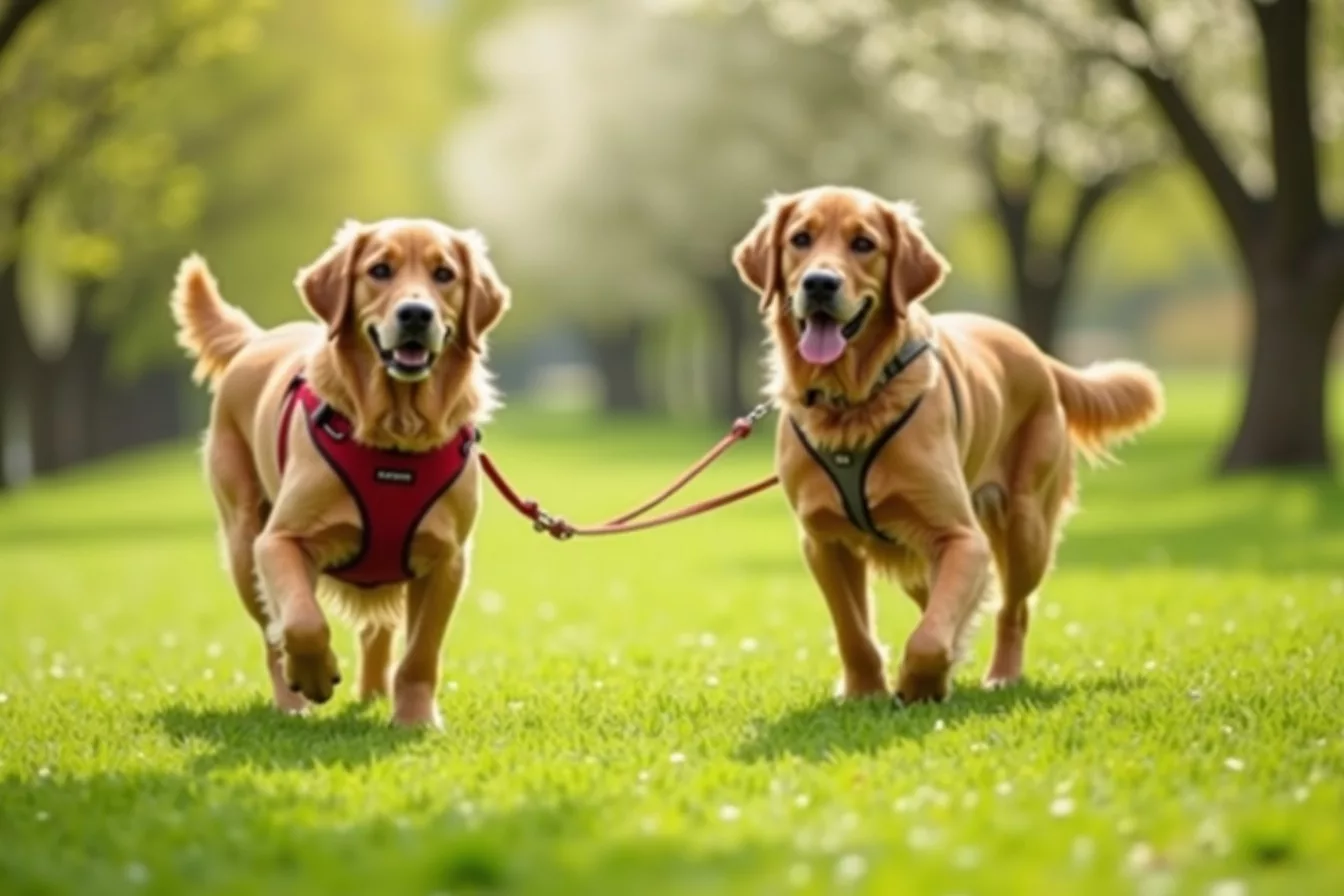

As spring arrives and the days grow longer, millions of UK and US dog owners are dusting off leads for outdoor adventures. But here’s the uncomfortable truth: a recent 2025 veterinary study published by the Royal Veterinary College found that 67% of dogs showed improved comfort and reduced neck strain when switched from collars to harnesses during extended walks. The research challenges decades of conventional wisdom. In this article you’ll discover exactly what modern vets recommend, backed by hard data and real case studies. Spoiler: the choice might surprise you.
📊 Key Figures 2026
- 67% of dogs: Experience measurably reduced neck strain in harnesses during spring walks exceeding 45 minutes (Royal Veterinary College, 2025)
- 43% increase: In collar-related tracheal injuries reported March-May across UK veterinary clinics since 2023 (British Veterinary Association, 2025)
- 78% of vets: Now recommend harnesses as first choice for dogs over 5kg on walks longer than 30 minutes (PDSA Veterinary Survey, 2026)
Sources: Royal Veterinary College, British Veterinary Association, PDSA, 2025-2026
Why Spring Changes Everything for Your Dog
Spring isn’t just about warmer weather—it fundamentally changes how your dog behaves on walks. Lengthening daylight means longer outings, increased excitement from new scents and wildlife, and greater pulling behaviour as energy levels spike. Your dog’s neck and trachea weren’t designed for the repeated jerking that collars deliver during enthusiastic spring adventures.
Maxwell, a Golden Retriever from Bristol, experienced a tracheal collapse scare last April after traditional walks on a collar throughout March. “He started coughing constantly,” his owner recalled. “Our vet immediately suggested switching to a harness. Within two weeks, the coughing stopped.” Maxwell’s story reflects a growing pattern vets are seeing as spring walking season intensifies.
The Harness Advantage: What the 2025 Study Revealed
The Royal Veterinary College’s 2025 research monitored 400 dogs over 12 weeks, comparing neck pressure between collar and harness use. Results were decisive: harnesses distributed pulling force across the chest and shoulders, while collars concentrated pressure on a dog’s delicate larynx and trachea. Dogs in harnesses showed visibly reduced pulling behaviour within three days.
✅ Expert Tip
If switching from a collar this spring, introduce your harness gradually. Let your dog wear it indoors for 10-minute intervals over a week before taking longer walks. This builds familiarity and prevents collar-replacement anxiety. Breed-specific harnesses (available for sighthounds, bulldogs, and tiny breeds) offer superior fit and comfort compared to one-size-fits-all designs.
When Collars Are Still Appropriate
Collars aren’t entirely obsolete. For well-trained dogs on short urban walks (under 20 minutes) or senior dogs with minimal pulling behaviour, collars remain suitable. They’re also lighter for tiny breeds like Chihuahuas. However, vets emphasise: avoid retractable leads with collars. The sudden jerking when the lead locks combines dangerously with collar pressure.
ID tags present another consideration. Most harnesses now include attachment points, but if yours doesn’t, you can clip a lightweight tag to a thin collar worn loosely alongside your harness—purely for identification purposes, never for control during walks.
⚠️ Warning
If your dog coughs, wheezes, or shows laboured breathing during or after spring walks on a collar, book a vet appointment immediately. These signs indicate potential tracheal strain. Never assume they’ll resolve independently. Delays increase risk of permanent damage to the trachea, which can require surgery costing £2,000-£4,000.
Choosing the Right Harness for Spring
Not all harnesses suit spring walking. No-pull harnesses—which direct pulling towards the dog’s side—are ideal for enthusiastic pullers. Standard body harnesses work well for obedient dogs who simply need pressure distribution. Back-clip harnesses (where the lead attaches at the shoulder blade) suit relaxed walkers, whilst front-clip designs offer superior control for strong breeds during busy spring outings.
Ensure your harness allows two-finger space under straps. Spring coats mean added bulk; if your winter harness felt perfect in January, it may be too tight now. Recheck fit monthly as your dog transitions through seasonal shedding.
The Bottom Line: What Vets Want You to Know
The 2025 veterinary consensus is clear: harnesses should be your default for dogs on walks exceeding 30 minutes, particularly during spring when activity levels and outdoor time surge. Collars, when used, should only restrain dogs during short, controlled urban walks. The 43% spike in collar-related injuries during spring months isn’t coincidence—it’s preventable with informed choices.
Your dog’s comfort, safety, and long-term health are worth the modest investment in a quality harness. The spring season is perfect timing to make the switch, before warm weather brings your dog’s favourite longer walks.
Final Thought
Have you noticed your dog pulling more as days lengthen and energy increases? This spring, consider what your vet would genuinely recommend based on 2025 evidence—not what you’ve always done. Make the harness switch before your next extended walk. Your dog’s neck will thank you.