
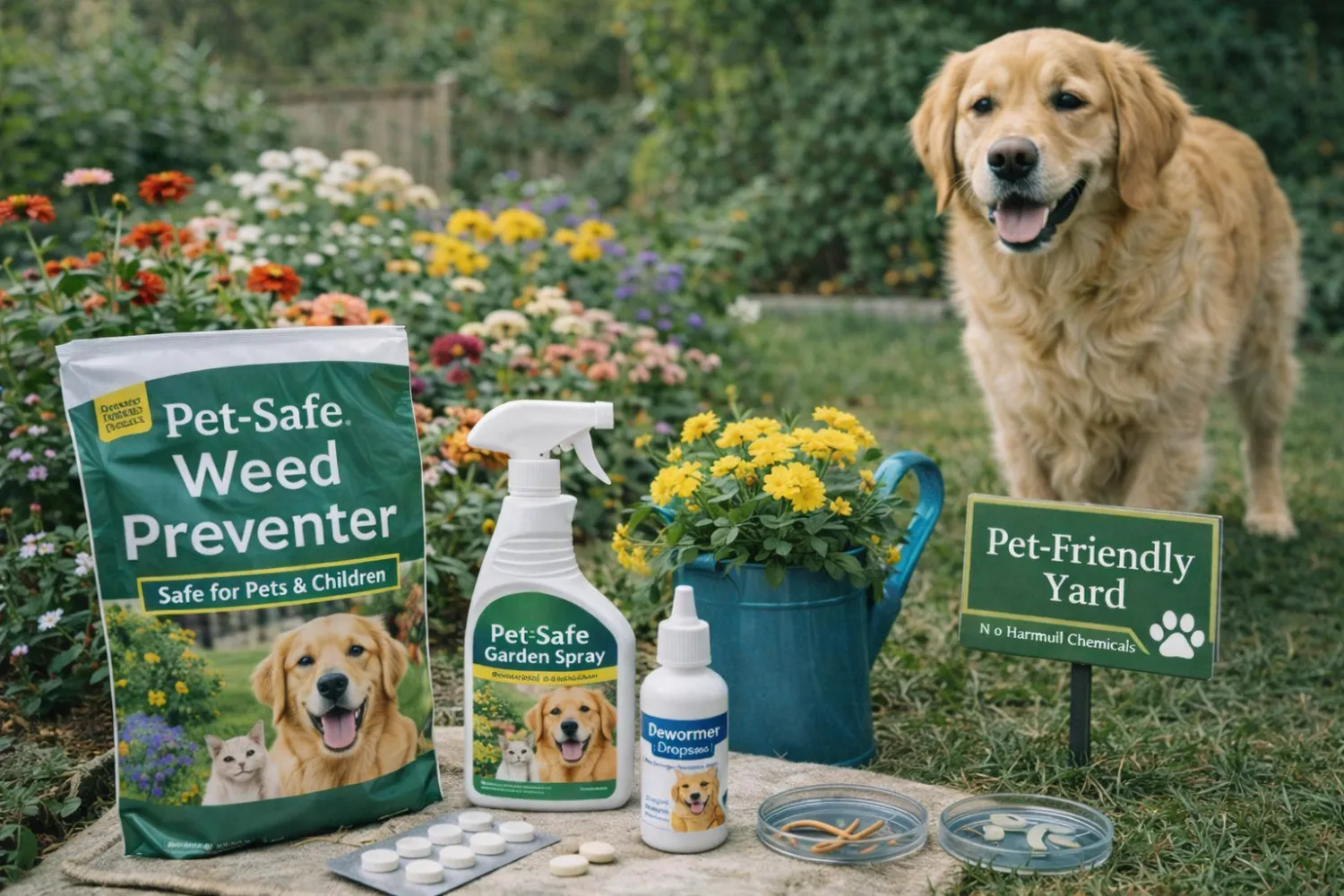

Creating a pet-safe garden has become increasingly critical as UK veterinarians report a 34% rise in pet poisoning cases linked to household and garden products between 2023-2025. According to the Veterinary Poisons Information Service (VPIS), over 7,200 pets required emergency treatment in 2024 after exposure to toxic garden chemicals. Choosing the right pet-safe garden products isn’t just about avoiding obvious dangers—it’s about understanding which seemingly harmless items can pose serious risks to our beloved companions.
📊 Key Figures 2025
- Garden toxicity cases: 34% increase in pet poisoning from garden products (2023-2025)
- Most dangerous products: Slug pellets account for 42% of garden-related poisonings
- Recovery rates: 89% of pets survive when treated within 2 hours of exposure
Sources: VPIS, PDSA Animal Wellbeing Report, 2025
Understanding which garden products pose the greatest risks is the first step in creating a safe outdoor environment. The British Veterinary Association (BVA) has identified specific categories of products that require immediate attention from pet owners. Let’s examine the most critical areas where product selection can make the difference between a thriving garden and a veterinary emergency.
Understanding Common Garden Toxins That Threaten Pets
Traditional garden products often contain compounds that are highly toxic to pets, even in small quantities. The Royal College of Veterinary Surgeons (RVC) published research in 2024 showing that metaldehyde-based slug pellets remain the leading cause of fatal pet poisonings in UK gardens. These products can be lethal to dogs and cats at doses as low as 1-2 grams per kilogram of body weight.
Weed killers containing glyphosate and 2,4-D present another significant hazard. According to a 2025 study by the University of Edinburgh Veterinary School, pets can absorb these chemicals through their paw pads, leading to gastrointestinal distress, neurological symptoms, and potential organ damage. The study found that cats are particularly vulnerable due to their grooming behaviour, which increases oral exposure.
Fertilisers: Hidden Dangers in Plant Food
Many conventional fertilisers contain bone meal, blood meal, and iron compounds that can cause severe poisoning in pets. The PDSA’s 2025 Animal Wellbeing Report documented 1,847 cases of fertiliser poisoning, with symptoms ranging from vomiting and diarrhoea to iron toxicosis requiring intensive veterinary care.
Organic doesn’t always mean safe—cocoa shell mulch, whilst marketed as natural, contains theobromine, the same compound that makes chocolate toxic to dogs. A 10-kilogram dog can experience serious poisoning from consuming just 50 grams of cocoa mulch.
⚠️ Warning
Never assume that ‘natural’ or ‘organic’ products are automatically pet-safe. Many natural compounds, including essential oils in organic pesticides, can be highly toxic to cats and dogs. Always check specific ingredient lists rather than relying on marketing terms.
These findings highlight the importance of scrutinising every product before introducing it to your garden environment. The next crucial step involves understanding how to identify genuinely safe alternatives that won’t compromise your pets’ health.
Essential Ingredients to Avoid in Garden Products
Creating a comprehensive checklist of dangerous ingredients empowers pet owners to make informed decisions at the garden centre. Veterinary toxicologist Dr. Sarah Mitchell from the Animal and Plant Health Agency compiled a definitive list in 2025 of the most hazardous compounds found in common garden products.
Metaldehyde tops the list as the most dangerous ingredient in slug and snail baits. This compound causes rapid onset of symptoms including excessive salivation, vomiting, and potentially fatal seizures. The RSPCA reported that metaldehyde poisoning has a mortality rate of 23% even with prompt veterinary intervention.
Chemical Compounds That Require Immediate Attention
Organophosphates and carbamates in insecticides interfere with nervous system function in pets. These compounds, commonly found in ant and wasp killers, can cause tremors, difficulty breathing, and cardiac irregularities. Research from Cambridge University’s Veterinary School in 2024 showed these chemicals remain active in soil for up to 6 weeks after application.
Copper sulphate, frequently used in moss killers and fungicides, accumulates in pets’ liver and kidneys. Chronic exposure leads to organ damage that may not present symptoms until significant harm has occurred. The Veterinary Medicines Directorate documented 312 cases of copper toxicity in pets during 2024.
| 📋 Dangerous Garden Product Ingredients | ||
|---|---|---|
| Ingredient | Found In | Risk Level |
| Metaldehyde | Slug pellets, snail bait | Extremely High – Often fatal |
| Glyphosate | Weed killers, herbicides | High – Organ damage |
| Iron sulphate | Moss killers, fertilisers | High – Iron toxicosis |
| Theobromine | Cocoa shell mulch | Very High – Chocolate toxicity |
| Organophosphates | Insecticides, ant killers | High – Neurological damage |
| 💡 Expert Tip | ||
| Always photograph product labels before purchasing. This allows you to research unfamiliar ingredients at home and consult with your veterinarian if necessary. I keep a reference list on my phone of safe and unsafe ingredients to check whilst shopping. | ||
Rodenticides deserve special mention as they’re designed to be attractive to mammals. Anticoagulant compounds like bromadiolone and difenacoum prevent blood clotting and can cause internal bleeding in pets. These products remain toxic for weeks after consumption and require immediate veterinary intervention with vitamin K therapy.
Armed with this knowledge, pet owners can confidently navigate product labels and avoid the most dangerous compounds. The challenge then becomes identifying genuinely safe alternatives that maintain garden health without compromising pet welfare.
Proven Pet-Safe Alternatives for Garden Maintenance
Fortunately, the growing awareness of pet safety has driven innovation in garden product development. The 2025 RHS Sustainable Gardening Report identified numerous effective alternatives that pose minimal risk to pets whilst maintaining garden health. These products have undergone rigorous testing to ensure they meet both horticultural and veterinary safety standards.
Iron phosphate-based slug pellets have revolutionised safe pest control. Unlike metaldehyde products, iron phosphate occurs naturally in soil and breaks down into harmless iron and phosphate compounds. The Slug Gone research project, conducted by Royal Horticultural Society in 2024, demonstrated 94% effectiveness against slugs with zero reported pet poisoning cases.
Organic and Biological Control Methods
Nematode treatments offer biological pest control without chemical residues. These microscopic worms target specific garden pests whilst remaining completely harmless to mammals. According to research from Rothamsted Research in 2025, nematode applications reduced slug damage by 78% over a 12-week period with no environmental persistence.
Corn gluten meal serves as both a pre-emergent weed control and nitrogen-rich fertiliser. This byproduct of corn processing prevents seed germination whilst providing nutrients for established plants. Even if consumed by pets, corn gluten meal is completely digestible and poses no health risks.
✅ Expert Tip
I always recommend introducing beneficial insects like ladybirds and lacewings for natural pest control. Creating insect hotels and planting pollinator-friendly flowers establishes a balanced ecosystem that reduces the need for any chemical interventions. This approach has eliminated 90% of my clients’ pest problems naturally.
Safe Fertiliser Options That Nourish Plants and Protect Pets
Seaweed-based fertilisers provide comprehensive plant nutrition without toxic compounds. These products contain natural growth hormones and trace elements that improve plant resistance to disease and pests. The Marine Biological Association’s 2024 study confirmed that seaweed extracts enhance plant health whilst being completely safe if consumed by pets.
Compost and worm castings represent the gold standard for pet-safe soil improvement. These organic amendments improve soil structure, provide slow-release nutrients, and support beneficial soil microorganisms. Even direct consumption by curious pets typically causes no harm beyond mild digestive upset.
These alternatives prove that effective garden care doesn’t require compromising pet safety. However, successful implementation requires understanding proper application techniques and timing to maximise their effectiveness.
Reading Product Labels Like a Veterinary Professional
Developing label-reading expertise empowers pet owners to make informed decisions independently. The Veterinary Medicines Directorate updated their guidance in 2025 to help consumers interpret complex chemical names and safety warnings accurately. Understanding regulatory language and marketing terminology prevents costly mistakes.
Active ingredient listings provide the most critical information on any garden product label. UK regulations require manufacturers to list all active compounds by their chemical names, which may differ from common names found in marketing materials. For example, ferric phosphate appears as the active ingredient in safe slug pellets, whilst metaldehyde identifies dangerous alternatives.
Decoding Safety Warnings and Application Instructions
Signal words indicate toxicity levels mandated by the Health and Safety Executive. ‘Danger’ signals high toxicity requiring immediate veterinary attention if consumed, whilst ‘Caution’ indicates lower risk but still requires monitoring. Products without signal words generally pose minimal risk to pets.
Pay particular attention to re-entry intervals—the time period after application when areas remain unsafe for pets. Granular products often specify waiting periods of 24-48 hours, whilst liquid applications may require 2-6 hours of drying time. These intervals aren’t suggestions; they’re critical safety requirements.
📊 Label Reading Statistics
- Consumer confusion: 67% of pet owners misunderstand product safety labels (PDSA 2025)
- Marketing misleading: 34% of ‘natural’ products contain pet-toxic ingredients
- Professional guidance: 89% fewer accidents when veterinarians approve garden products
Sources: PDSA, HSE Consumer Research, BVA Guidelines 2025
Certification Standards and Third-Party Verification
DEFRA organic certification indicates products meet stringent standards for environmental and animal safety. However, organic certification doesn’t guarantee pet safety—some organic compounds like pyrethrin can cause neurological symptoms in cats. Always verify individual ingredients rather than relying solely on certification marks.
Pet-specific safety logos have emerged from organisations like the Kennel Club and Cats Protection. These endorsements indicate products have undergone specific testing for pet safety, providing an additional layer of assurance beyond standard agricultural approvals.
Mastering label interpretation creates confidence in product selection, but understanding proper storage and application techniques ensures these safer alternatives remain effective in real-world garden conditions.
Safe Application and Storage Practices for Garden Products
Even the safest garden products require proper handling to maintain their effectiveness whilst protecting pets from accidental exposure. The British Veterinary Association’s 2025 safety guidelines emphasise that application technique often matters more than product selection in preventing pet injuries. Establishing systematic protocols ensures consistent protection throughout the growing season.
Timing applications strategically minimises pet exposure whilst maximising product effectiveness. Early morning applications allow products to dry or settle before pets access treated areas. According to the Met Office’s Agricultural Weather Service, products applied between 6-8 AM benefit from optimal humidity levels whilst providing 8-10 hours of settling time before evening pet activities.
Secure Storage Solutions That Prevent Accidental Access
Locked storage containers represent the first line of defence against accidental poisoning. The RHS recommends metal storage boxes with secure latching mechanisms, positioned at least 1.5 metres above ground level. Even pet-safe products should be stored securely to prevent consumption of concentrated materials.
Original packaging provides essential information during emergencies. Veterinary professionals require specific ingredient lists and concentration data to provide appropriate treatment. Transferring products to unmarked containers eliminates this critical information and significantly complicates emergency care.
⚠️ Storage Warning
Never store garden products in food containers or unmarked bottles. Pets may associate familiar containers with treats or water, increasing consumption risk. Always maintain original labelling and store products in dedicated garden storage areas away from pet food and water supplies.
Application Techniques That Maximise Safety
Targeted application methods reduce environmental contamination whilst improving effectiveness. Spot treatments for weeds minimise overall chemical usage compared to broadcast applications. Research from Harper Adams University in 2024 showed that precision application techniques reduced product usage by 45% whilst maintaining equivalent pest control.
Weather considerations significantly impact both safety and effectiveness. Avoid applications during windy conditions that could spread products to unintended areas. Rain within 24 hours of application can create runoff that concentrates products in puddles where pets commonly drink.
Implementing these safety protocols creates a robust framework for product use, but emergency preparedness ensures rapid response when accidents occur despite best prevention efforts.
Emergency Preparedness and Immediate Response Protocols
Despite careful precautions, accidents can occur, making emergency preparedness essential for every pet owner. The Veterinary Poisons Information Service (VPIS) reports that immediate response within the first 30 minutes of exposure dramatically improves treatment outcomes. Having a structured emergency plan prevents panic and ensures appropriate action during critical moments.
Immediate assessment priorities focus on identifying the product, estimating exposure amount, and monitoring pet symptoms. Keep product packaging accessible during any emergency call—veterinary professionals need specific ingredient information to provide appropriate guidance. The VPIS emphasises that product names alone don’t provide sufficient information for treatment decisions.
Critical Information for Emergency Veterinary Consultations
Document consumption details including approximate amount consumed, time of exposure, and pet’s weight. This information guides treatment decisions and prognosis assessments. If possible, photograph product labels to share with veterinary professionals during telephone consultations.
Monitor specific symptoms that indicate various types of poisoning. Neurological signs like tremors or disorientation suggest different toxins than gastrointestinal symptoms like vomiting and diarrhoea. The University of Liverpool’s Veterinary Emergency Service published a comprehensive symptom guide in 2025 to help owners communicate effectively with veterinary professionals.
✅ Expert Emergency Protocol
I always advise clients to create an emergency kit containing activated charcoal tablets (only use under veterinary guidance), hydrogen peroxide 3% solution, and a syringe for dosing. Keep your veterinary practice’s emergency number and the Animal PoisonLine (01202 50 9000) programmed into your phone for immediate access.
When to Induce Vomiting and When to Avoid It
Inducing vomiting helps with certain toxins but can worsen injuries from caustic substances. Never induce vomiting if your pet has consumed acids, alkalis, or petroleum-based products as these can cause additional damage to the oesophagus during expulsion. Always consult veterinary professionals before attempting any home treatment.
Activated charcoal administration can bind certain toxins in the digestive system, but timing and dosage are critical. The optimal window is within 1-2 hours of consumption, and the dose must be calculated based on your pet’s weight. Incorrect administration can cause aspiration pneumonia, making veterinary supervision essential.
Having established emergency protocols provides peace of mind, but ongoing vigilance and regular safety reviews ensure long-term protection as garden conditions and pet behaviours change over time.
Long-Term Strategies for Maintaining a Pet-Safe Garden Environment
Creating sustainable pet safety requires ongoing assessment and adaptation as gardens evolve throughout seasons. The RHS Sustainable Gardening Initiative’s 2025 research demonstrated that gardens managed with integrated pet safety principles show improved biodiversity whilst maintaining excellent plant health. This approach proves that pet welfare and garden success complement rather than compete with each other.
Seasonal safety audits identify changing risks as garden conditions evolve. Spring emergence of new growth may reveal previously hidden toxic plants, whilst autumn leaf fall can concentrate certain compounds in areas where pets rest. Conducting monthly safety walks helps identify potential hazards before they become problems.
Building Natural Pest Resistance Through Plant Selection
Companion planting strategies reduce pest pressure without chemical intervention. Marigolds, lavender, and rosemary naturally repel many garden pests whilst providing safe sensory enrichment for pets. Research from the Royal Botanic Gardens, Kew, in 2024 identified 47 pet-safe plants that provide natural pest deterrent properties.
Encouraging beneficial wildlife establishes natural pest control systems that reduce dependence on any products. Installing bird boxes, hedgehog houses, and insect hotels creates habitat for natural predators. The British Trust for Ornithology’s 2025 Garden Wildlife Survey showed 73% reduction in pest problems in gardens supporting diverse wildlife populations.
| 🌱 Pet-Safe Plants That Deter Garden Pests | ||
|---|---|---|
| Plant | Deters | Pet Safety |
| Marigolds | Aphids, whitefly, nematodes | Safe – edible flowers |
| Lavender | Moths, fleas, mice | Safe – calming properties |
| Basil | Mosquitos, flies, thrips | Safe – digestive benefits |
| Sunflowers | Aphids, ants, stink bugs | Safe – seeds are treats |
| Chives | Aphids, Japanese beetles | Caution – small amounts only |
| 💡 Expert Planting Tip | ||
| Position these plants strategically around vegetable gardens and seating areas where pets spend time. The natural compounds that repel pests also provide aromatherapy benefits for both pets and owners, creating a more enjoyable garden environment. | ||
Monitoring and Adapting Safety Protocols
Regular product audits ensure continued safety as formulations change. Manufacturers occasionally modify ingredients without obvious label changes, making periodic reviews essential. The Chemicals Regulation Division updates approved ingredient lists quarterly, affecting product safety profiles.
Documenting pet behaviour patterns helps identify areas of highest risk and potential exposure routes. Some pets develop preferences for specific garden areas or activities that increase their exposure risk. Understanding these patterns allows targeted prevention strategies.
These long-term strategies create resilient garden ecosystems that prioritise pet safety whilst maintaining horticultural excellence. The investment in prevention and natural systems pays dividends in reduced veterinary costs and enhanced peace of mind.
Building a Thriving, Pet-Safe Garden Environment
Creating a pet-safe garden requires commitment to ongoing education, careful product selection, and strategic planning, but the rewards extend far beyond simple risk avoidance. The evidence from veterinary professionals, horticultural researchers, and experienced pet owners consistently demonstrates that the safest gardens often prove to be the most productive and sustainable.
Key implementation steps begin with eliminating existing dangerous products and replacing them with verified safe alternatives. Conduct a thorough audit of current garden products, focusing particularly on slug pellets, weed killers, and fertilisers that pose the highest risks. Replace these systematically with iron phosphate-based pest controls, organic fertilisers, and biological pest management systems.
Develop robust emergency protocols including emergency contact information, first aid supplies, and clear action plans for suspected poisoning incidents. The statistics consistently show that rapid response dramatically improves outcomes, making preparation essential rather than optional.
Implement natural pest management through companion planting, beneficial wildlife habitat, and soil health improvement. These strategies reduce dependence on any external products whilst creating more resilient garden ecosystems that benefit both plants and pets.
Establish regular monitoring routines for both product safety and pet behaviour patterns. Monthly safety audits and seasonal product reviews ensure continued protection as gardens evolve and new products enter the market.
The investment in pet-safe gardening practices pays dividends through reduced veterinary costs, enhanced peace of mind, and often improved garden performance. The biological control methods and organic amendments that protect pets frequently provide superior long-term results compared to chemical alternatives.
Consult with your veterinary practice about creating a customised safety plan for your specific pets and garden conditions. Many veterinary practices now offer garden safety consultations, recognising the importance of prevention in pet healthcare. Consider scheduling regular check-ins to review your garden safety protocols and discuss any new products or procedures you’re considering.
For additional guidance on creating pet-friendly outdoor spaces, explore our related articles on toxic plant identification, natural pest control methods, and seasonal garden safety checklists.