
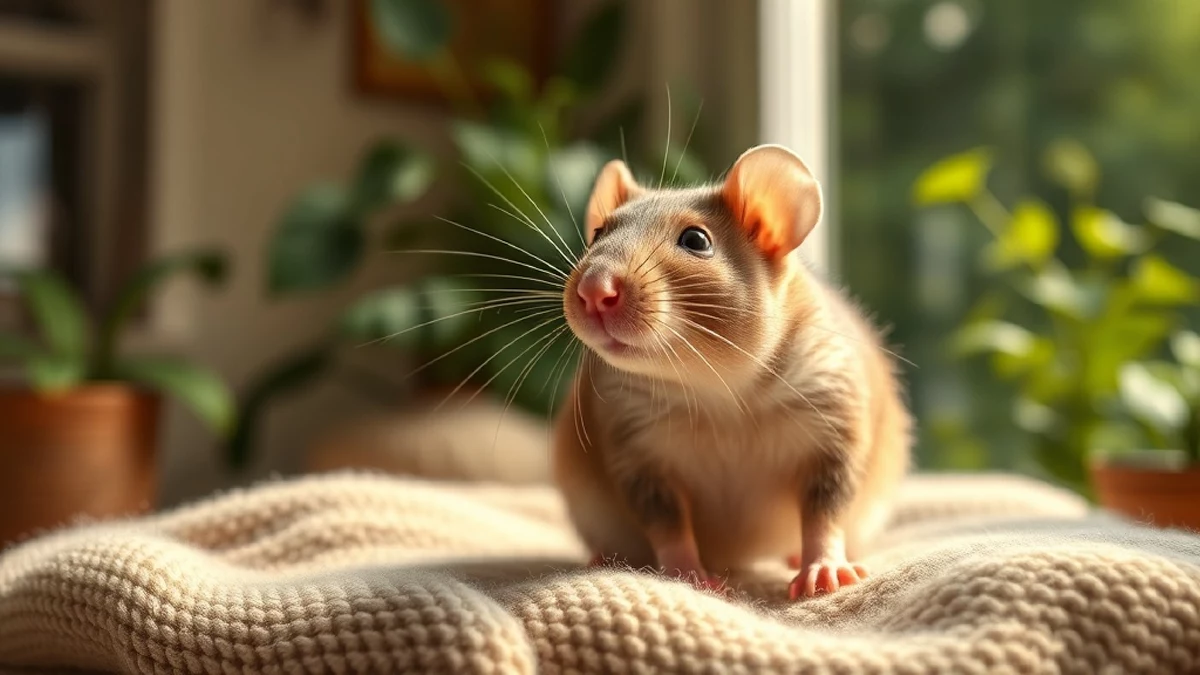

Discovering rats on your property can be alarming, but it’s a common issue affecting thousands of UK homes each year. According to the British Pest Control Association, around 1.5% of British properties report rat problems annually, with numbers rising during colder months. The good news is that with the right approach, you can effectively and humanely remove rats while preventing future infestations.
Why Rat Control Matters
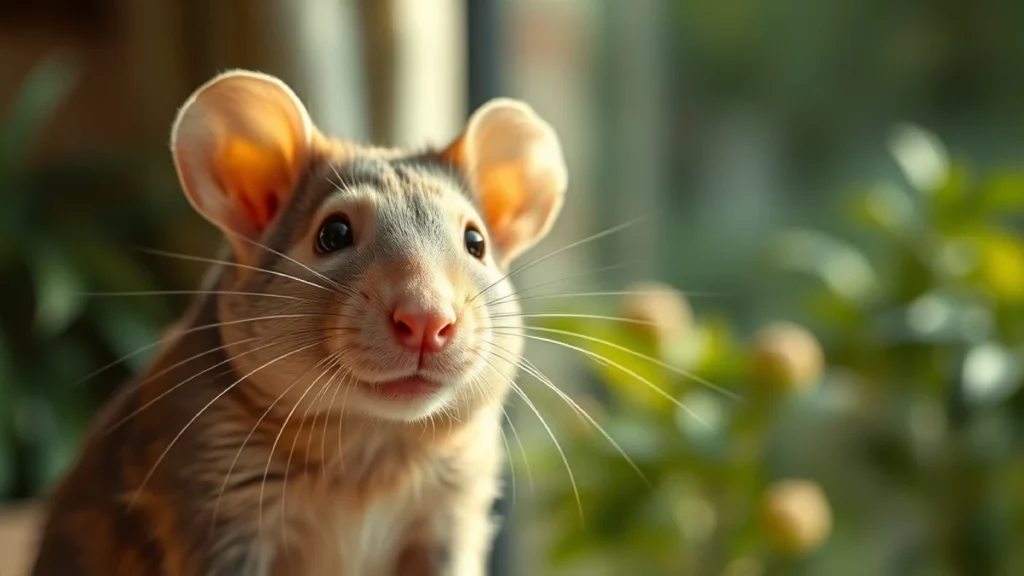
Rats can cause significant damage to properties and pose serious health risks. The RSPCA reports that a single pair of rats can produce up to 2,000 descendants in a year if left unchecked. These rodents can damage electrical wiring, contaminate food, and spread diseases including Weil’s disease and salmonella.
In urban areas, rat populations have increased by 25% in the past five years, partly due to increased food waste and building development. Taking action early can prevent extensive damage and reduce the risk of a major infestation.
Key Signs of Rat Infestation
- Droppings: Dark, pellet-shaped, 12-18mm long
- Gnaw marks: On wood, plastic, or cables
- Grease marks: Dark marks along walls and floorboards
- Scratching sounds: Particularly at night in walls or under floorboards
- Burrows: Near foundations or under garden structures
Step-by-Step Removal Process
- Identify entry points and seal them with appropriate materials (1-2 days)
- Remove all food sources, including pet food and bird feed (immediate)
- Clear vegetation and debris from around buildings (1 day)
- Set approved traps in identified rat routes (1 week monitoring)
- Consider professional pest control if problems persist (2-4 weeks treatment)
Essential Prevention Tips
Maintaining a rat-free property requires ongoing vigilance. Store food in sealed containers and ensure waste bins have secure lids. Regular property maintenance is crucial – check for new holes quarterly and repair them immediately. In my experience, combining physical barriers with good hygiene practices is more effective than relying on poison alone.
Remember that while DIY methods can work for small problems, significant infestations usually require professional intervention. Always choose humane control methods where possible, following RSPCA guidelines.