
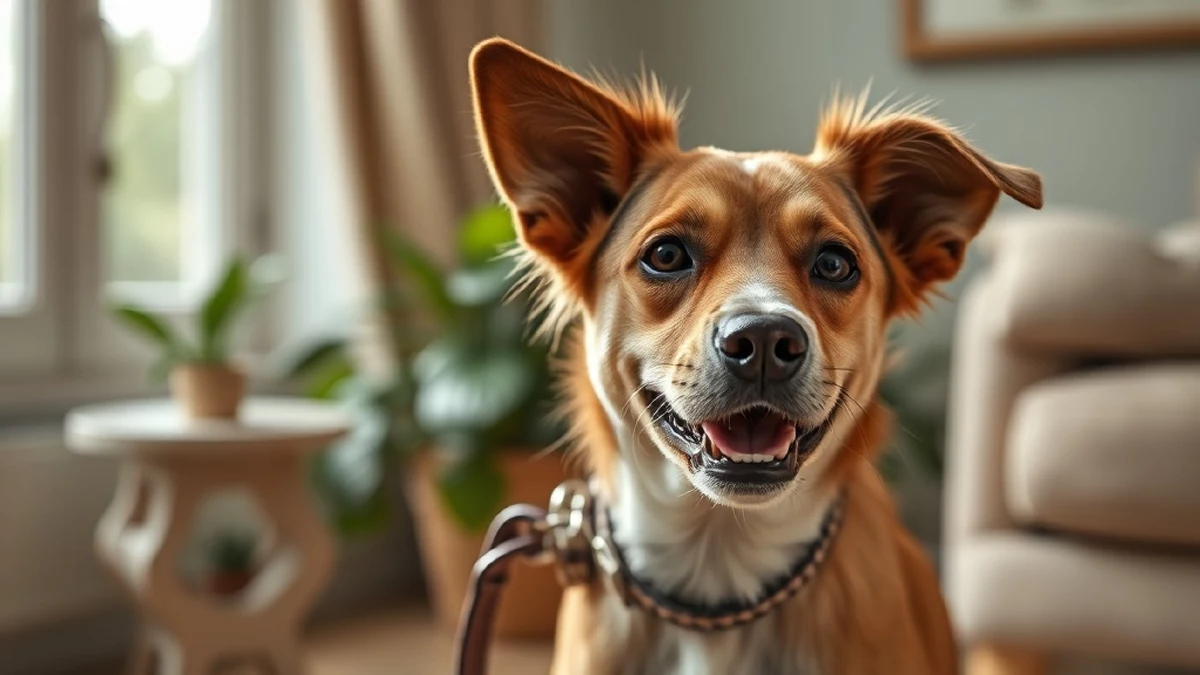

Lead pulling is one of the most common challenges dog owners face, with the PDSA estimating that over 60% of UK dogs pull on their leads during walks. Not only is it frustrating and potentially dangerous, but it can also turn daily walks into a source of stress for both you and your pet. The good news is that with consistent training and the right approach, most dogs can learn to walk calmly beside you — without requiring harsh methods or specialist equipment.
Why Dogs Pull on the Lead
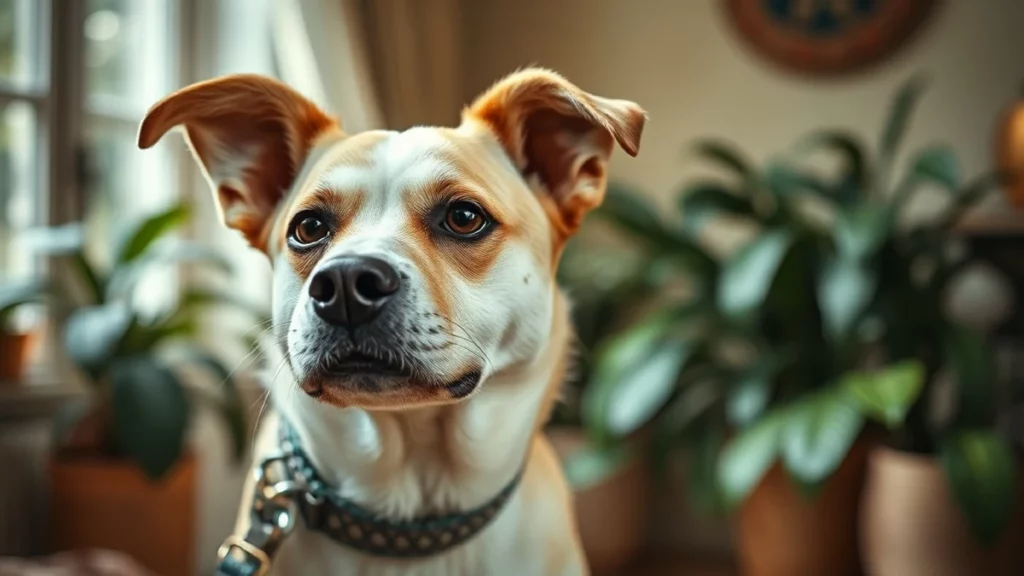
Understanding why dogs pull is crucial for addressing the behaviour effectively. Dogs naturally walk faster than humans, and they’re eager to explore their environment through scent and sight. When we restrain this natural instinct with a lead, many dogs simply push forward against it.
Research from the Dogs Trust shows that dogs who pull on the lead often get more attention and accidentally get rewarded by reaching their destination faster. This reinforces the pulling behaviour, making it a learned response rather than just excitement or poor training.
Essential Training Principles
- Reward Position: Keep treats at your hip level to encourage your dog to stay beside you
- Timing Matters: Reward your dog while they’re walking nicely, not after they’ve already pulled
- Consistency: Every family member must follow the same rules during walks
- Equipment: Use a properly fitted harness or flat collar and a standard 1.2-2m lead
Step-by-Step Training Method
- Start in your garden or a quiet area with minimal distractions
- Hold treats at hip level and take one step forward
- If your dog stays beside you, mark with “yes” and reward immediately
- When pulling occurs, stop walking completely
- Wait for your dog to create slack in the lead
- Once they return to your side, praise and continue walking
- Gradually increase walking distance as success improves
- Practice for 10-15 minutes, twice daily
Common Mistakes to Avoid
One frequent error is trying to train in high-distraction environments too soon. Start in quiet areas and gradually work up to more challenging locations. This builds your dog’s success rate and confidence in the new behaviour.
Another mistake is inconsistency with reactions to pulling. If you sometimes allow pulling and other times don’t, it creates confusion. Always respond the same way — by stopping — when your dog pulls, even if you’re in a hurry.
Remember that every dog learns at their own pace, and progress isn’t always linear. Focus on celebrating small improvements and maintaining a positive attitude during training sessions. If your dog suddenly starts pulling when they previously walked well, consider checking with your vet to rule out any physical discomfort.