
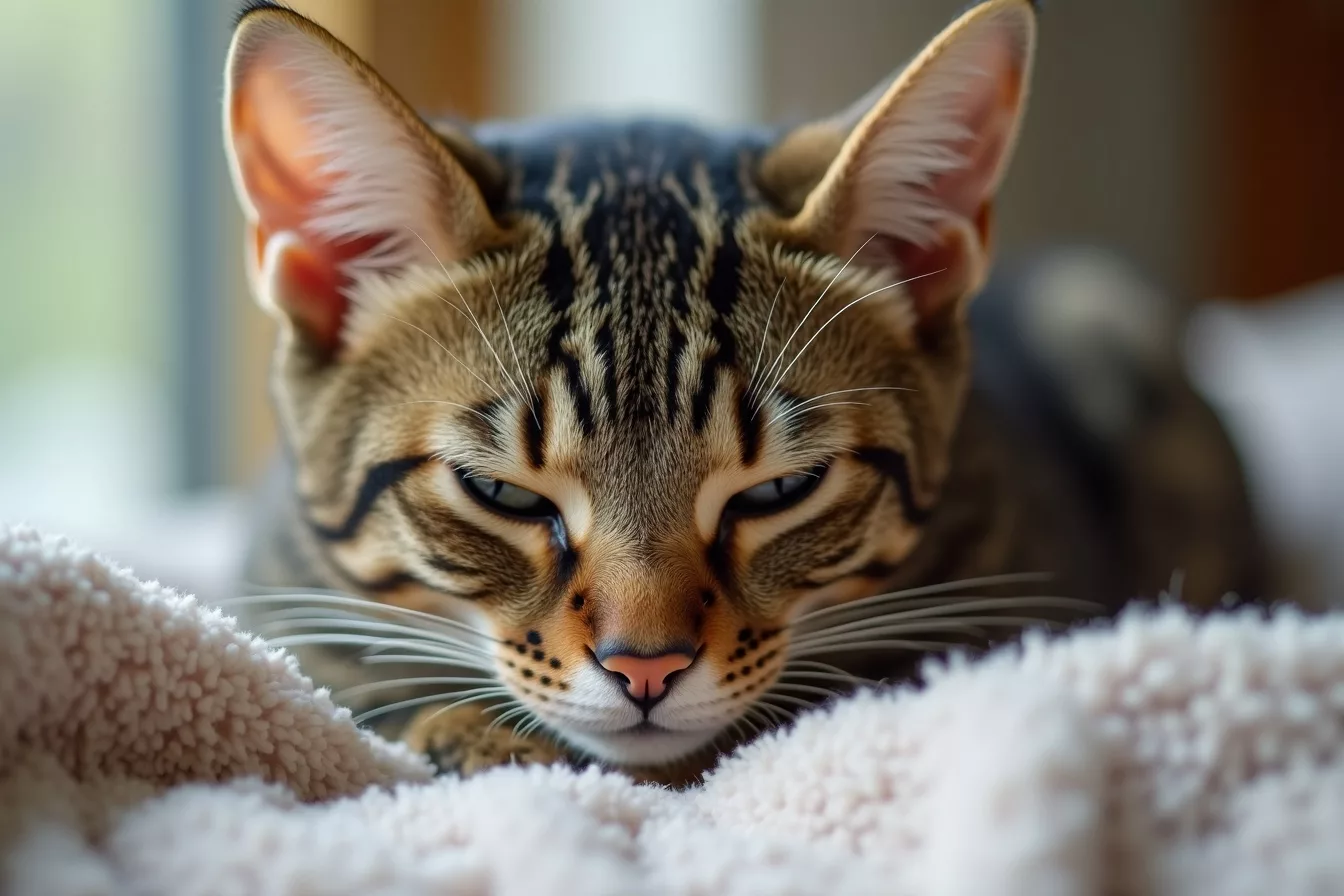

Did you know that 73% of cat owners fail to recognise pain in their pets during the first week of illness? A landmark 2025 study by the Royal Veterinary College found that cats mask discomfort so effectively that subtle behavioural shifts often go unnoticed until pain becomes severe. In this article you’ll discover the seven hidden warning signs that vets wish every owner knew—and the single most overlooked symptom that could save your cat’s life.
📊 Key Figures 2026
- 73% of cat owners miss early pain signals, according to the Royal Veterinary College’s 2025 Feline Pain Recognition study.
- One in three cats over age 10 suffers from chronic pain, yet fewer than 40% receive pain management, per the British Small Animal Veterinary Association (BVSA), 2025.
- Cats hide pain 4 times longer than dogs—an evolutionary survival trait that makes home monitoring essential.
Sources: Royal Veterinary College, BVSA, 2025
1. Excessive Grooming or Sudden Neglect
A cat in pain often over-grooms the affected area obsessively, creating bald patches or red skin. Conversely, some cats stop grooming altogether—their coat becomes matted and dull because movement hurts. Both extremes are red flags you shouldn’t ignore.
Tabby, a 7-year-old British Shorthair from Bristol, began over-grooming her rear leg for three weeks before her owner spotted a hairless patch. The vet discovered a sprained ligament that would have worsened without treatment.
2. Changes in Appetite or Drinking Habits
Pain can suppress appetite or cause cats to avoid the litter tray if reaching the food bowl or toilet hurts. Watch for sudden pickiness, weight loss, or increased thirst without obvious cause. Even mild appetite shifts warrant a vet visit.
✅ Expert Tip
Track your cat’s food intake daily using a small notebook or phone reminder. Note water consumption too. Bringing this data to your vet accelerates diagnosis—you’ll have objective evidence instead of vague observations. Many pain-related appetite changes reverse quickly once treatment begins.
3. Limping, Stiffness, or Reluctance to Jump
This is often the most obvious sign, yet owners sometimes mistake it for laziness. If your cat avoids jumping onto furniture, climbs stairs slowly, or walks with an asymmetrical gait, arthritis or injury is likely. Senior cats especially may develop joint pain that worsens after rest.
The PDSA (2025) reports that early-onset arthritis affects 1 in 10 cats under age 8, often triggered by previous trauma owners didn’t realise was serious.
4. Hiding More Than Usual
Cats retreat when unwell—it’s a survival instinct. But hiding combined with other signs (reduced purring, reluctance to be touched, or spending entire days in dark cupboards) signals pain or serious illness. Trust your gut if your normally social cat becomes reclusive.
5. Behavioural Aggression or Irritability
A gentle cat that suddenly swipes, hisses, or resists touch may be protecting a painful body part. Never dismiss this as personality change—pain causes mood shifts. Chronic pain is a leading cause of behavioural problems in cats over 5 years old.
⚠️ Warning
If your cat shows sudden aggression, stops eating for more than 24 hours, vomits, or becomes unable to use the litter tray, contact your vet immediately. These combined signs suggest acute pain or infection requiring urgent care, not home monitoring.
6. Unusual Posture or Tension
Painful cats often adopt a hunched, rigid stance with pulled-in abdomens. They may extend their rear legs stiffly when standing or refuse to stretch. Watch for a tense face with pinned-back ears even during rest—that’s discomfort.
7. Reduced Vocalisations (The Most Missed Sign)
Here’s what surprises most owners: cats in significant pain often become quieter, not louder. Fewer meows, no purring, and a withdrawn demeanour are stronger pain indicators than crying out. This is why 73% of owners miss early symptoms—silence feels like wellness.
The Royal Veterinary College’s 2025 research highlighted that reduced vocalisations combined with postural changes predicted pain with 84% accuracy. Yet it’s the least recognised warning sign.
✅ Expert Tip
Create a baseline. Note your cat’s typical vocalisation frequency, posture during rest, and movement patterns now. When you spot a change from that baseline—even subtle ones—take it seriously. This personalised approach catches pain weeks earlier than generic checklists.
When to Call Your Vet
Book an appointment if you notice any of these signs lasting more than 48 hours, or if multiple signs appear together. Mention your timeline clearly: “My cat stopped jumping three days ago and has eaten less since yesterday.” Specifics help vets prioritise.
For acute symptoms (inability to move, severe limping, unconsciousness, or prolonged vomiting), seek emergency care immediately.
The surprising truth is this: cats evolved to hide pain brilliantly—so brilliantly that we miss it. But you now know the seven signals that separate normal feline quirkiness from genuine suffering. The single biggest difference between owners whose cats get treated early and those who don’t? Daily observation. Have you noticed any subtle shifts in your cat’s behaviour lately? If something feels off, trust that instinct and call your vet.