
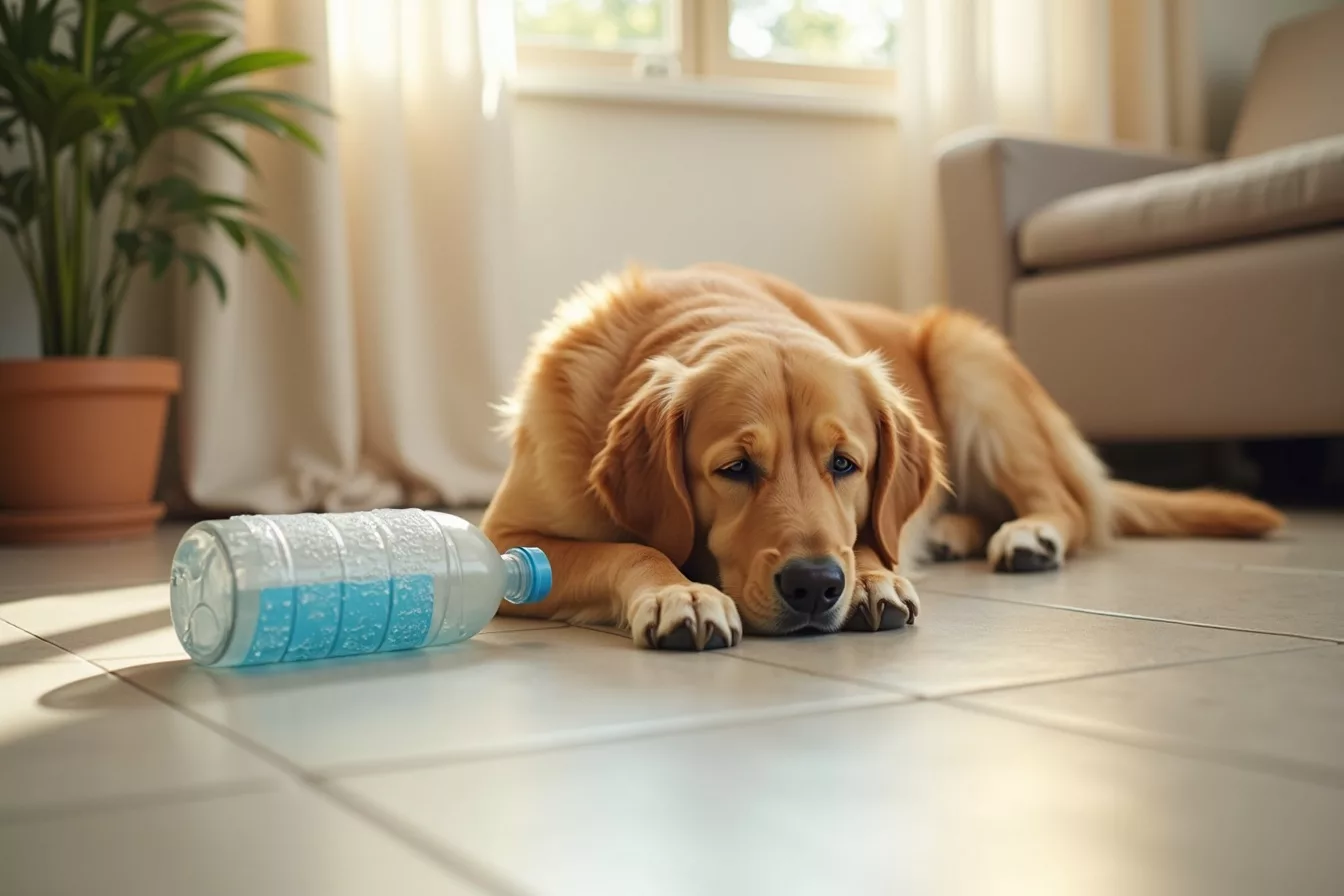

Did you know that pets suffer heat-related injuries three times faster than humans? A 2025 study by the Royal Veterinary College found that emergency admissions for heat stress in dogs and cats spike 47% during UK summer months, with most preventable through simple daily adjustments. In this article you’ll discover the exact vet-approved steps to keep your furry friend safe when temperatures soar—and the one mistake most owners make that puts their pets at serious risk.
Why UK Heatwaves Hit Pets Harder Than You’d Think
British pets aren’t built for extreme heat. Unlike their Mediterranean cousins, UK dogs and cats have adapted to cooler climates over generations, making them far more vulnerable when temperatures exceed 25°C.
Pets can’t sweat like humans do. They cool themselves through panting and releasing heat via their paws and ears—a system that fails rapidly in sustained high temperatures. Brachycephalic breeds (flat-faced dogs like Bulldogs and Pugs) are at even higher risk because their airways restrict airflow.
📊 Key Figures 2025
- 47% increase in heat-related vet visits: Royal Veterinary College data shows emergency admissions during UK summer heatwaves now outpace spring months significantly.
- 73% of dogs over 7 years old: PDSA Heatwave Study (2025) identifies senior pets as highest-risk group, particularly those with pre-existing cardiac or respiratory conditions.
- 3-5 minutes: Time frame for a pet locked in a hot car to suffer fatal heat stroke, even with windows cracked.
Sources: Royal Veterinary College, PDSA, British Veterinary Association, 2025
Step 1: Create a Cool Refuge Zone at Home
The foundation of heat safety is a dedicated cool space your pet can retreat to throughout the day. This isn’t just a shaded corner—it’s a carefully planned refuge.
Choose the coolest room in your house, typically a north-facing bedroom or kitchen away from direct sunlight. Close blinds during peak heat hours (11am–4pm). Place a ceramic tile or damp towel on the floor; pets can lie on cool surfaces to regulate body temperature naturally.
✅ Expert Tip
Fill a hot water bottle with ice water (not ice cubes—they’re too cold and can cause discomfort), wrap it in a towel, and place it in your pet’s bed. Biscuit, a 4-year-old Labrador from Manchester, sleeps next to her ice-bottle bed for 4–5 hours during hot days, according to her owner’s report to the RSPCA.
Step 2: Rethink Exercise Timing
This is where most UK owners slip up. The instinct is to keep routines, but heatwaves demand a complete schedule shift.
Exercise your dog during the coolest parts of the day: before 8am or after 8pm. Skip midday walks entirely. If you must go out, choose shaded routes near water (parks with ponds or streams) and carry ice water in a portable bowl. Check paw pads regularly—hot tarmac burns sensitive skin in seconds.
Cats rarely need exercise adjustments, but provide extra water stations around your home and never force activity when they’re resting.
⚠️ Warning
Never leave your pet in a parked car, even for “just 5 minutes.” In 25°C sunshine, a car interior reaches 35°C in 10 minutes. Contact your vet immediately if your pet shows excessive panting, drooling, lethargy, or vomiting—these are heat stroke symptoms requiring emergency treatment.
Step 3: Hydration Goes Beyond Water Bowls
During a heatwave, one water bowl isn’t enough. Your pet may forget to drink, or water warms quickly in sunlight.
Place multiple bowls throughout your home—kitchen, lounge, bedroom, garden. Refresh water every 2–3 hours. Some pets prefer running water; a pet fountain encourages drinking and keeps water cool through circulation. Add ice cubes to bowls in the garden (but not as a substitute for exercise breaks).
Watch for subtle dehydration signs: dry nose, loss of skin elasticity, or reduced urine output. Offer wet food alongside dry kibble to increase moisture intake.
Step 4: Grooming and Coat Management
There’s conflicting advice about shaving dogs during heat. The truth: consult your vet before drastic grooming changes. A full shave removes insulation and can expose skin to sunburn. A professional tidy-up removing excess undercoat, however, improves airflow.
Long-haired breeds benefit from light brushing to remove loose fur and mats, which trap heat. Cats self-groom but may overgroom when stressed by temperature—frequent brushing reduces shedding and matting.
✅ Expert Tip
A damp flannel gently wiped over your dog’s paws, belly, and inner thighs cools them rapidly. These areas have minimal fur and maximum blood vessels near the skin surface. Repeat every hour during peak heat, and your pet will visibly relax.
Step 5: Garden and Outdoor Safety
Gardens pose unique heat risks. Direct sunlight, lack of water access, and heat reflection from paving create dangerous microclimates.
Provide a permanent shaded area using a garden umbrella, gazebo, or dog tent. Never tie your pet outside in heat. Ensure constant access to fresh water and bring outdoor pets indoors to your cool refuge zone during peak hours.
Check for hazards like antifreeze leaks (pets lick puddles) or toxic garden treatments that become more volatile in heat.
When to Call the Vet Immediately
Heat stroke is a medical emergency. Signs appear suddenly and worsen fast. Contact your vet or emergency clinic immediately if you notice: excessive panting that won’t slow down, confusion or disorientation, vomiting, bright red gums, or collapse.
While waiting for help, move your pet to shade, offer small amounts of cool (not cold) water, and gently wet their fur with tepid water. Do not submerge them in ice water—sudden extreme cold can cause shock.
Heatwaves are becoming more frequent in the UK. The 2025 data shows heat-related pet emergencies are no longer rare events but predictable spikes we can prevent through planning. Have you noticed your pet struggling in warmth? Start with one change today—set up that cool refuge zone—and build your heatwave toolkit from there. Your vet is your best ally; call them before temperatures peak if you’re unsure about your pet’s individual risk factors.