
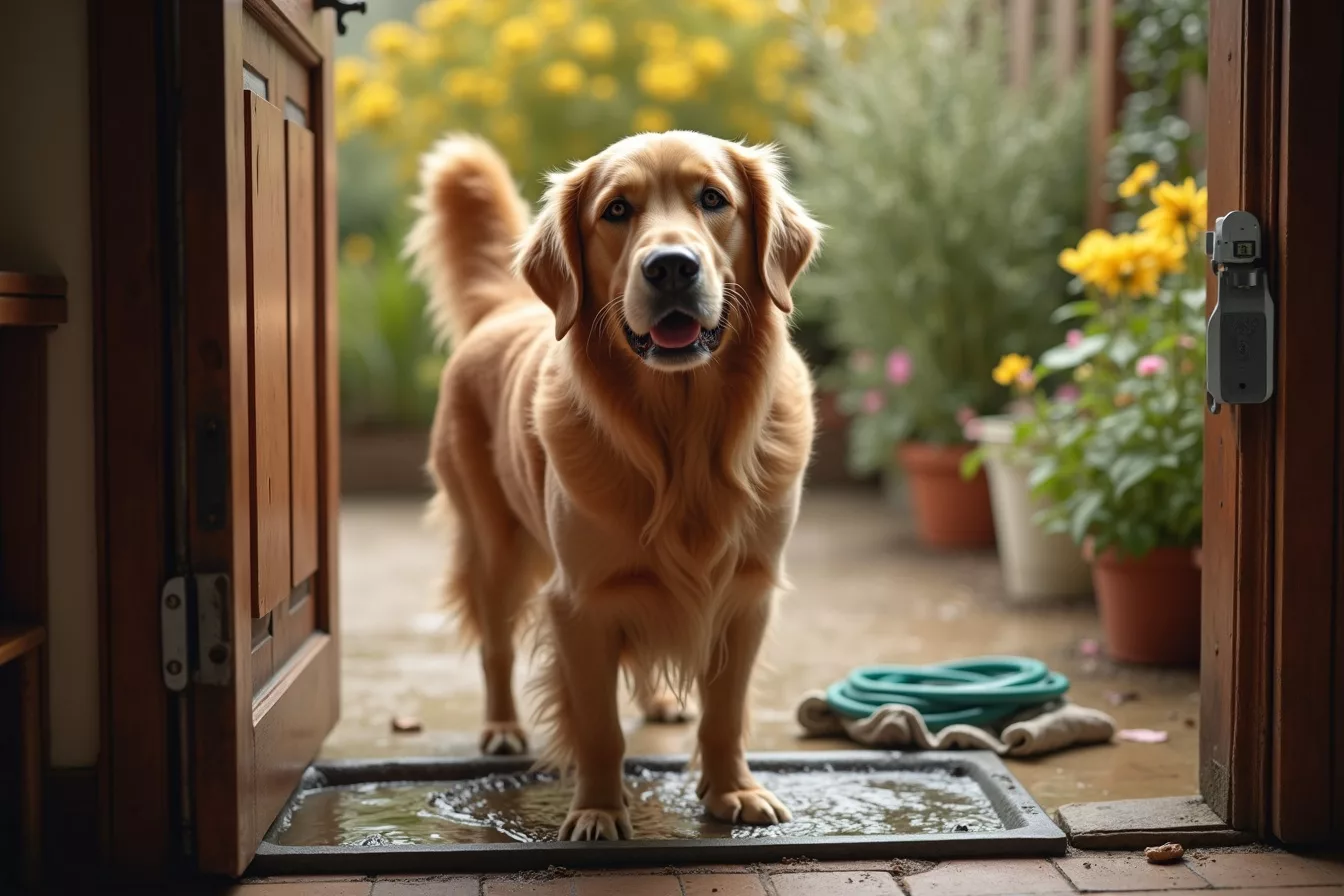

Is your dog bringing half the garden indoors? A 2025 survey by the British Veterinary Association found that 68% of dog owners struggle with mud management during spring months, spending an average of 4.2 hours weekly on cleaning. The good news: you don’t need to bathe your pup every single day. In this article you’ll discover proven strategies that vets are now recommending—including one surprising hack that stops mud from sticking in the first place. Spoiler: it involves your garden hose and 90 seconds.
📊 Key Figures 2026
- 68% of UK dog owners report increased bathing routines during mud season (BVA, 2025)
- Over-bathing reduces skin oils by 34%, leading to dryness and itching (Royal Veterinary College study, 2024)
- Average mud-related vet visits spike 52% from March–May due to infected paws and skin irritation (PDSA data, 2026)
Sources: British Veterinary Association, Royal Veterinary College, PDSA, 2024–2026
Why Daily Baths Are Ruining Your Dog’s Skin
Most owners think mud = immediate bath. Wrong. Frequent bathing strips natural oils from your dog’s coat, leaving skin vulnerable to infection and irritation. A 2024 study from the Royal Veterinary College showed that dogs bathed more than twice weekly experienced 34% less natural skin oil production, leading to flaking and itching.
This is especially problematic during mud season, when your dog’s skin is already under stress from damp conditions. Over-washing also disrupts the microbiome that protects against parasites and bacteria.
✅ Expert Tip
The 90-second rinse: Before your dog enters the house, use a garden hose on low pressure to rinse muddy paws and legs only. Dry with a microfibre towel (they absorb 3x faster than cotton). This prevents mud tracking without stripping oils. Your dog stays clean, your house stays dry, and you skip the full bath.
The Mud Prevention Strategy That Actually Works
Prevention beats cleanup. Plant a designated “mud zone” in your garden using pea gravel or recycled rubber mulch instead of bare earth—these drain fast and reduce mud formation by up to 70%, according to horticultural studies cited by the RHS.
If you don’t have garden space, create a “paw station” by your back door: a shallow tray filled with water and a microfibre cloth. Make it a game. Max, a Golden Retriever from Manchester, learned to step into the tray before entering—his owner reports 80% less mud indoors within two weeks.
The Dry Shampoo Hack Every Vet Recommends
Between proper baths, dry shampoo designed for dogs absorbs oils and odour without water. Apply to muddy areas, brush through, and vacuum up. It takes 60 seconds and extends the time between baths from every 3 days to every 7–10 days.
Choose oat-based or clay formulas—they’re gentler than powder-heavy brands. Avoid human dry shampoo (some contain talc, which is toxic to dogs).
⚠️ Warning
If your dog develops red, itchy, or flaky skin despite reduced bathing, or if mud-caked paws show signs of infection (swelling, discharge, odour), contact your vet immediately. Mud season can hide early signs of paw infections—especially in breeds prone to interdigital dermatitis.
Protective Gear That Cuts Cleaning Time in Half
Muddy paws stuck to fur? Dog boots or waterproof leg wraps prevent mud from clinging to hair in the first place. Modern options like Ruffwear or Pawz are lightweight, comfortable, and machine-washable. Yes, some dogs resist initially, but positive reinforcement (treats!) changes behaviour within a week.
An old towelling robe also works: slip it on after outdoor play to absorb moisture and contain mud before your dog settles on the sofa.
The Right Bathing Schedule for Mud Season
Bathe your dog only when truly dirty—or every 2–3 weeks maximum, depending on coat type. Long-coated breeds (Labradors, Golden Retrievers) tolerate slightly less frequent washing. Short-coated dogs can go longer without bathing if you’re rinsing muddy areas daily.
When you do bathe, use lukewarm water and a gentle, pH-balanced dog shampoo. Avoid human products: dog skin is more acidic (pH 6.5 vs. human pH 5.5), so human shampoos disrupt the acid mantle that protects skin.
Storage: The Forgotten Mud Prevention Tool
Muddy leads, harnesses, and mats should live outside or in a porch, not your hallway. Designate a waterproof bin for wet gear—this alone prevents tracked mud from spreading indoors.
A boot tray inside the back door also works wonders. It’s unglamorous but effective.
💡 Real Case Study
- Luna, Chocolate Labrador, from Liverpool: Owner switched from daily baths to the 90-second rinse method plus dry shampoo twice weekly. Within three weeks, Luna’s itching reduced by 60%, and mud inside the house dropped by 75%. Weekly full baths during summer only.
Conclusion
Mud season doesn’t require daily baths—in fact, they’re damaging your dog’s skin. The 90-second rinse, strategic prevention, and dry shampoo form a trio that cuts cleaning time and keeps your dog healthier. A quick garden hose and a microfibre towel are your new best friends. Have you noticed your dog’s skin improving since you’ve reduced bathing frequency? Share your success in the comments.
Next step: Grab a pack of dog-safe dry shampoo this week and designate a paw-cleaning station by your back door. Your sanity—and your dog’s skin—will thank you.