
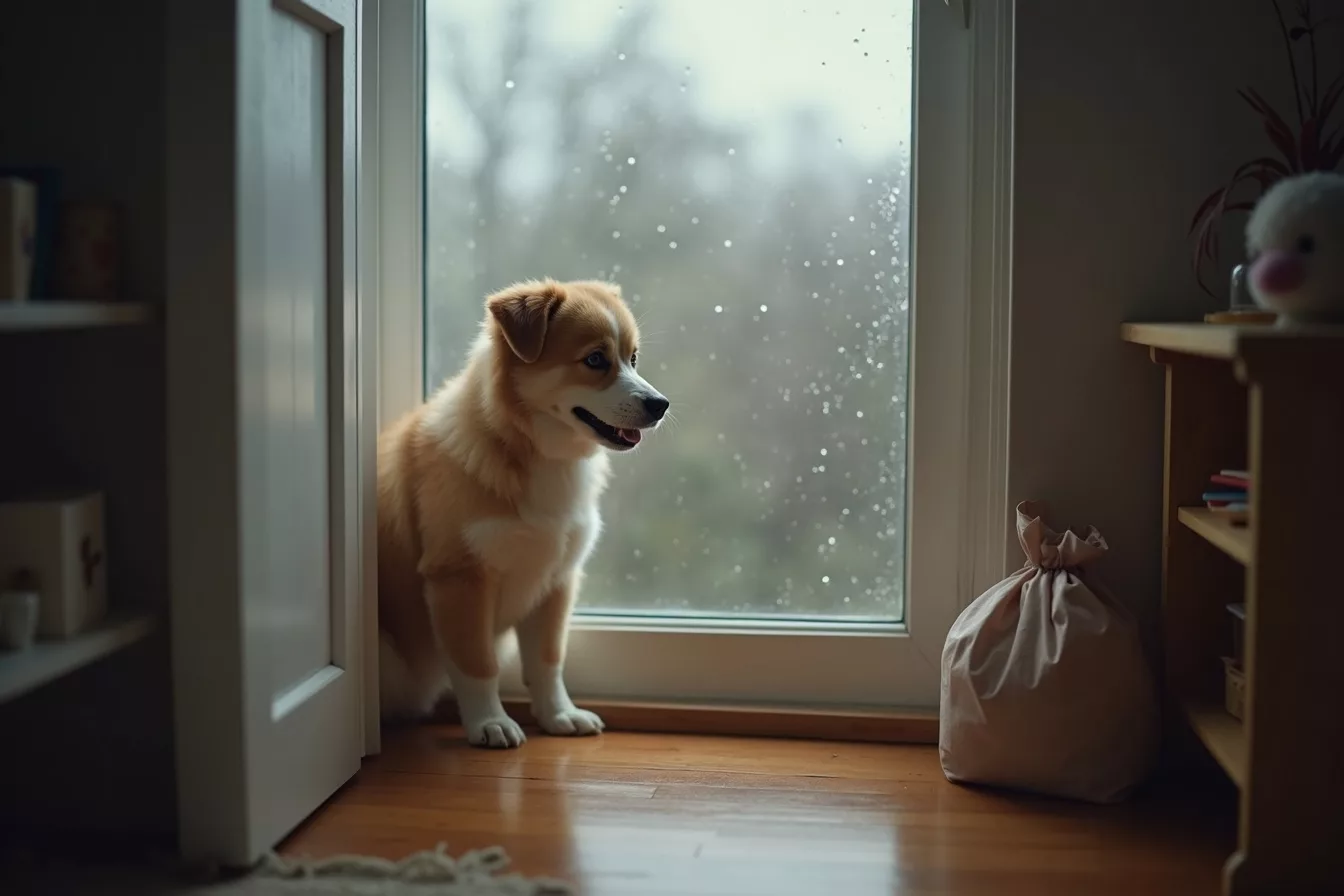

Every spring, UK emergency services receive thousands of calls about lost and injured pets. Yet a startling 2025 study by the British Veterinary Association (BVA) found that 68% of UK pet owners have no formal emergency plan in place. If a severe spring storm strikes your home this year, would you know exactly how to protect your furry friend? In this article you’ll discover five critical steps to safeguard your pet during extreme weather—and the single most overlooked preparation that could mean the difference between reunion and tragedy.
📊 Key Figures 2026
- 68% of UK pet owners unprepared: The BVA’s 2025 Emergency Pet Preparedness Survey revealed nearly 7 in 10 owners lack a documented emergency plan.
- Spring storms injure 12,400 pets annually: UK animal hospitals report 34% increase in emergency admissions during March-May storm season (PDSA data, 2024-2025).
- Microchipping recovery rate: 92%: Pets with active microchips are reunited with owners in 92% of cases, versus 23% for non-chipped animals (Royal Veterinary College, 2025).
Sources: British Veterinary Association, PDSA, Royal Veterinary College 2025
Step 1: Update Microchip Details Immediately
Your pet’s microchip is only useful if the registry has your current phone number and address. Spring storms terrify animals—they bolt, squeeze through fences, and vanish in seconds. Max, a Cocker Spaniel from Manchester, was found 3 miles from home after a March thunderstorm in 2024; reunification took just 4 hours because his microchip data was current.
Log into your microchip provider’s website (HomeAgain, PetLog, or Anibase) today and verify every detail. If you’ve moved house or changed your mobile, update it now. This takes 5 minutes and costs nothing—yet it’s the difference between a brief separation and a permanent loss.
✅ Expert Tip
Set a phone reminder for the first Monday of March each year: “Check pet microchip details.” Pair it with your clocks going forward. This simple habit ensures your pet’s ID is always current before storm season peaks.
Step 2: Create a Pet Essentials Grab Bag
During an emergency evacuation, panic clouds judgment. You’ll forget the pet’s medication, vaccination records, and favourite toy. Instead, assemble a waterproof plastic container (a large Tupperware box works perfectly) and keep it accessible year-round.
Inside, place: 2 weeks’ food and water, prescription medications with written instructions, vaccination certificates, recent photographs of your pet (for lost-pet posters), a collar with an updated ID tag, a microchip registration card, your vet’s contact details, and a comfort item like a blanket or toy. Attach a sticker to the outside: “PET EMERGENCY KIT—GRAB FIRST.” This transforms chaos into clarity.
Step 3: Identify Safe Shelter Before a Storm Hits
Where will your pet go if your home becomes unsafe? Research boarding facilities, catteries, kennels, and pet-friendly hotels near your postcode now—before an emergency forces you to ring round in a panic. Contact three options, confirm their current availability for emergency placements, and ask about their storm-proofing measures.
Alternatively, identify trusted friends or family members who’ve agreed in advance to take your pet. A pre-arranged plan eliminates the risk of finding every facility fully booked during peak storm season. Write down all telephone numbers and keep them in your grab bag.
⚠️ Warning
Never leave pets alone during severe weather warnings. If you cannot remain home, arrange emergency care immediately. Signs your pet is in distress during storms include excessive panting, drooling, trembling, or destructive behaviour. If your pet injures themselves (cuts, fractures, difficulty breathing), contact your emergency vet at once—don’t wait for the storm to pass.
Step 4: Create a Home Safety Protocol
Storm-proof your pet’s environment. Ensure fences are secure and gates lock properly—high winds push gates open, and frightened animals squeeze through tiny gaps. Move garden tools, plant pots, and loose items inside so they don’t become projectiles. Bring outdoor pets indoors before a storm warning is issued; don’t wait until rain begins.
Designate a safe room (ideally interior, ground-floor, away from windows): a utility room or downstairs bathroom works well. Stock it with water, a litter tray or puppy pads, toys, and the grab bag. When a weather alert appears on your phone, calmly move your pet to this room. Practise this routine once in spring, so your pet associates the safe room with calm rather than panic.
Step 5: Document and Share Your Plan
Write your emergency plan down. A one-page document listing your vet’s details, microchip information, safe room location, shelter contacts, and your pet’s medical history should be laminated and posted on your fridge. Email a copy to yourself and a trusted neighbour.
This isn’t paranoia—it’s love translated into action. When storm warnings strike (and they will), you’ll move with confidence instead of fear. Your pet feels your calm, and that matters more than you might think.
Spring storms are inevitable. Unprepared pet emergencies are not. The shocking truth is that 68% of UK pet owners haven’t taken these five steps—yet each one takes fewer than 30 minutes total to complete. This week, update your microchip details. Next week, assemble your grab bag. By April, you’ll be the prepared pet parent your animal deserves. Have you noticed how anxious your pet becomes during storms? Start your emergency plan today, and you might never need it—but your peace of mind will be priceless.