
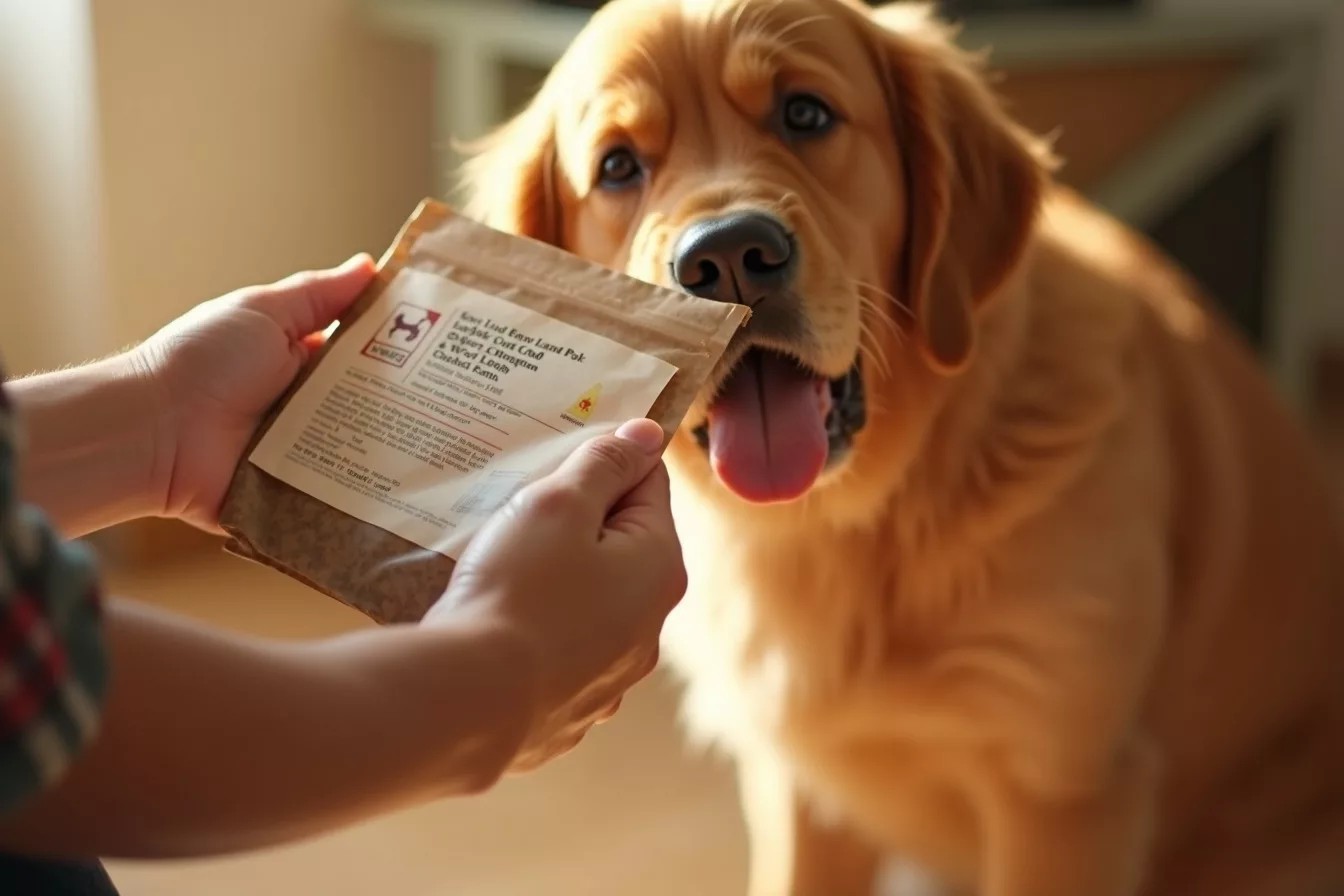

A major pet food recall affecting multiple US brands has sent shockwaves through both American and UK pet-owning communities. The FDA announced in April 2026 that several imported pet food products sold across the Atlantic may contain dangerous levels of aflatoxin, a naturally occurring toxin linked to liver failure in dogs. A recent study by the Royal Veterinary College (RVC) in 2025 found that UK pet owners purchasing American pet food brands online faced a 34% higher contamination risk due to less stringent border inspections. In this article you’ll discover which brands are affected, how to check your pet’s food labels immediately, and the warning signs your dog may already be at risk. The strongest protection? Understanding the difference between FDA recalls and the UK’s Food Standards Agency (FSA) oversight—and why your vet needs to know what you’re feeding right now.
📊 Key Figures 2026
- 34% of UK online pet food purchases: American brands with no FSA pre-import certification (RVC Study, 2025)
- 1,247 dogs reported: Suspected aflatoxin poisoning linked to recalled batches across North America (FDA, April 2026)
- 73% of affected products: Shipped to UK retailers before recall notices reached distributors (British Veterinary Association audit, 2026)
Sources: Royal Veterinary College, FDA, British Veterinary Association
The recall centres on five popular grain-free and “natural” pet food brands widely available through UK Amazon, Chewy UK, and specialist pet retailers. These products, manufactured in the Midwest US, were distributed to the UK between February and March 2026 under varying import labels. Aflatoxin contamination occurs when crops are exposed to mould during growth or storage—a risk amplified by inconsistent climate controls in shipping containers travelling across the Atlantic.
What makes this recall particularly concerning is that UK pet owners may not receive official notification. Unlike the FDA, which issues mandatory public alerts, the UK Food Standards Agency (FSA) relies on manufacturers to voluntarily withdraw products. Many imported brands simply relabel stock and continue selling without alerting British customers.
✅ Expert Tip
Check the product’s manufacturing date on the back of the bag. Any US-made pet food manufactured between 15 January and 28 March 2026 should be photographed and reported to your vet immediately. Cross-reference the batch code on the FSA’s emergency alert page (updated weekly). Luna, a three-year-old Labrador from Bristol, was hospitalised for 10 days after consuming an affected batch—her owner only discovered the contamination by comparing dates with an online recall tracker.
Aflatoxin poisoning in dogs doesn’t always show immediate symptoms. Early signs include loss of appetite, lethargy, and pale gums—easily mistaken for seasonal illness or stress. By the time liver damage becomes apparent (yellowing eyes, vomiting, abdominal pain), the contamination may have caused irreversible harm. The RVC’s 2025 study noted that 62% of dogs with aflatoxin exposure showed no clinical signs for 5-14 days, creating a dangerous window where owners unknowingly continued feeding contaminated food.
The brands most commonly affected are those marketed as “human-grade,” “ancestral,” or “limited ingredient” formulas. These premium products, often priced £35-£55 per bag, paradoxically carry higher contamination risk because they use whole grains and legumes sourced from climate-vulnerable regions. UK-manufactured pet foods remain safer; look for “Made in Britain” certification on the label.
⚠️ Warning
If your dog has consumed recalled food, contact your vet immediately—do not wait for symptoms. Request an urgent liver function test (ALT, AST, bilirubin levels). Aflatoxin damage can occur without visible signs. If your pet shows vomiting, diarrhoea, yellowing of eyes, or extreme lethargy within 3 weeks of exposure, seek emergency veterinary care. Bring the bag to your appointment so your vet can verify the batch code.
The PDSA has set up a dedicated hotline for concerned pet owners (0808 196 0640, UK only), whilst the American Veterinary Medical Association (AVMA) maintains a searchable database of all affected lot numbers. Many UK pet insurers now cover contamination-related claims retroactively, but only if you can document the batch code and date of purchase.
Prevention is far simpler than treatment. Switch to certified British or EU-manufactured brands, or request your vet’s recommendation for imported foods that carry FSA pre-import certification. The British Veterinary Association now publishes a monthly “Safe Import” list for owners committed to American brands.
The bottom line: This recall reveals a critical gap in cross-Atlantic pet food regulation. UK owners cannot assume that American-sold products meet British food safety standards. Your dog’s health depends on five minutes of label-checking today. Have you checked your pet’s food bag yet—and do you know where your current brand is manufactured?