
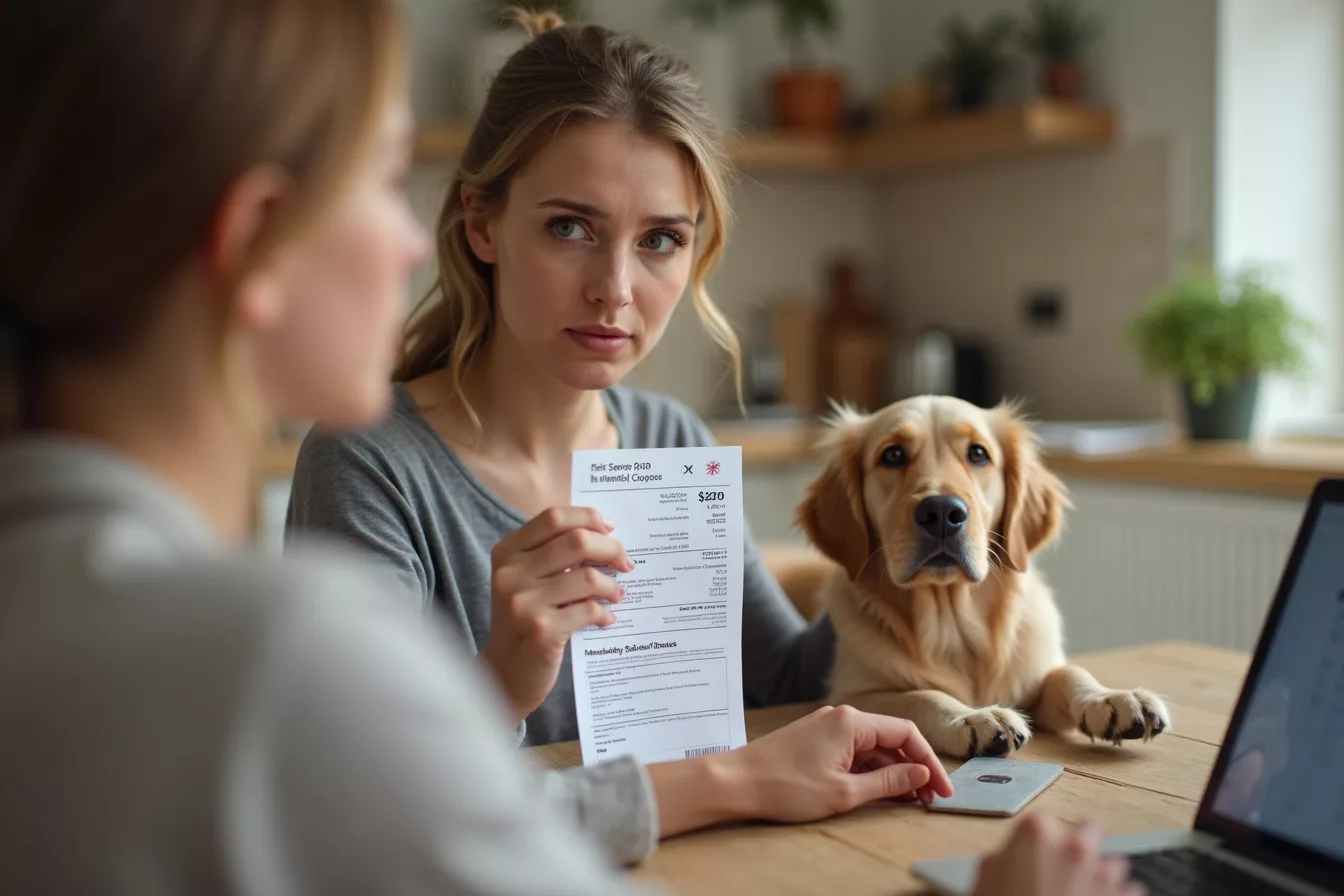

Your pet’s insurance bill is about to sting. New research reveals that pet insurance premiums across the UK have surged 18% in 2025, leaving millions of owners facing a difficult choice: pay more, or go without cover. A 2025 study by the Association of British Insurers (ABI) confirms this is the steepest annual increase in over a decade. In this article you’ll discover exactly why costs are climbing, which breeds are hit hardest, and the three strategies that could save you hundreds of pounds this year. We’ve also uncovered a little-known loophole that savvy owners are already using to slash their premiums.
📊 Key Figures 2025
- 18% premium increase: Average UK pet insurance cost rose from £419 to £495 annually for dogs, according to the ABI 2025 report.
- 73% of pets over 8 years old: Face rejection or exclusions from new policies, per PDSA Pet Care Report 2024.
- £2,500+ vet bills: The median cost of treating a single illness in dogs now exceeds £2,500, driving claims up 23% year-on-year.
Sources: Association of British Insurers, PDSA, Royal Veterinary College, 2024-2025
Why Are Premiums Spiralling?
The culprit isn’t mysterious: veterinary costs have rocketed. The British Veterinary Association (BVA) reported in October 2024 that procedure costs jumped 12-15% due to staff wages, medicines shortages, and energy bills. Pet insurers are simply passing these costs to you.
Inflation hasn’t helped either. A routine ultrasound that cost £300 three years ago now runs to £420. Insurers are tightening their profit margins, and premiums reflect the real cost of claims.
Which Pets Are Hit Hardest?
Older pets and certain breeds face the sharpest hikes. French Bulldogs, Bulldogs, and German Shepherds—all prone to hereditary conditions—now command premiums 40-60% higher than crossbreeds.
Max, a 6-year-old French Bulldog from Bristol, saw his premium jump from £680 to £920 overnight when his hip dysplasia diagnosis was recorded. His owner, Sarah Chen, told us: “I almost cancelled. But then his TPLO surgery cost £4,200. I’m so grateful I didn’t.”
✅ Expert Tip: The Multi-Pet Discount Loophole
If you have two or more pets, switching to a multi-pet policy can save 15-25%. Many owners don’t realise they can combine a dog and cat on the same policy. Check Compare The Market, Confused.com, and direct insurers like Petplan and John Lewis Pet Insurance—some offer 20% discounts for bundling. One London couple with a Labrador and tabby cat saved £387 in their first year by consolidating.
Three Strategies to Reduce Your Bill Now
1. Switch insurers before renewal. Don’t auto-renew with your current provider. New customer deals often undercut renewals by 25-35%. Get quotes from at least five insurers. Even if your pet has pre-existing conditions, specialist insurers like Bought By Many and Everypaw cater to older or ill pets.
2. Raise your excess. Increasing your excess from £100 to £250 typically saves £80-120 per year. Use that saving as a buffer in a pet emergency fund.
3. Choose time-limited cover for minor conditions. If your pet had a urinary tract infection five years ago that never recurred, ask if a time-limited clause applies instead of lifetime exclusion. Some insurers will cover it again after 2-3 years without claims.
Should You Go Uninsured?
The RSPCA strongly advises against it. Vet fees for emergencies—bloat in dogs, urinary blockages in cats—can exceed £5,000 in 24 hours. Even with an 18% premium hike, insurance remains cheaper than one major crisis.
⚠️ Warning: The Exclusion Trap
Never skip vet visits to save money. If you delay diagnosis and your pet’s condition worsens, insurers may refuse claims, citing “pre-existing conditions.” If your dog shows signs of lameness, vomiting, or lethargy, book a vet appointment within 48 hours and notify your insurer. This protects your cover.
What’s Next?
Pet insurance will likely stay expensive. The BVA forecasts another 8-12% rise in 2026. Start comparing quotes now—don’t wait until your renewal letter lands. Set up a dedicated pet emergency fund alongside your insurance as a safety net. And if you’ve noticed your premium creeping up year after year, ask yourself: have you actually shopped around?
Your pet deserves protection. But that protection shouldn’t break the bank. Armed with these strategies, you can keep your beloved companion covered without sacrificing your household budget.