
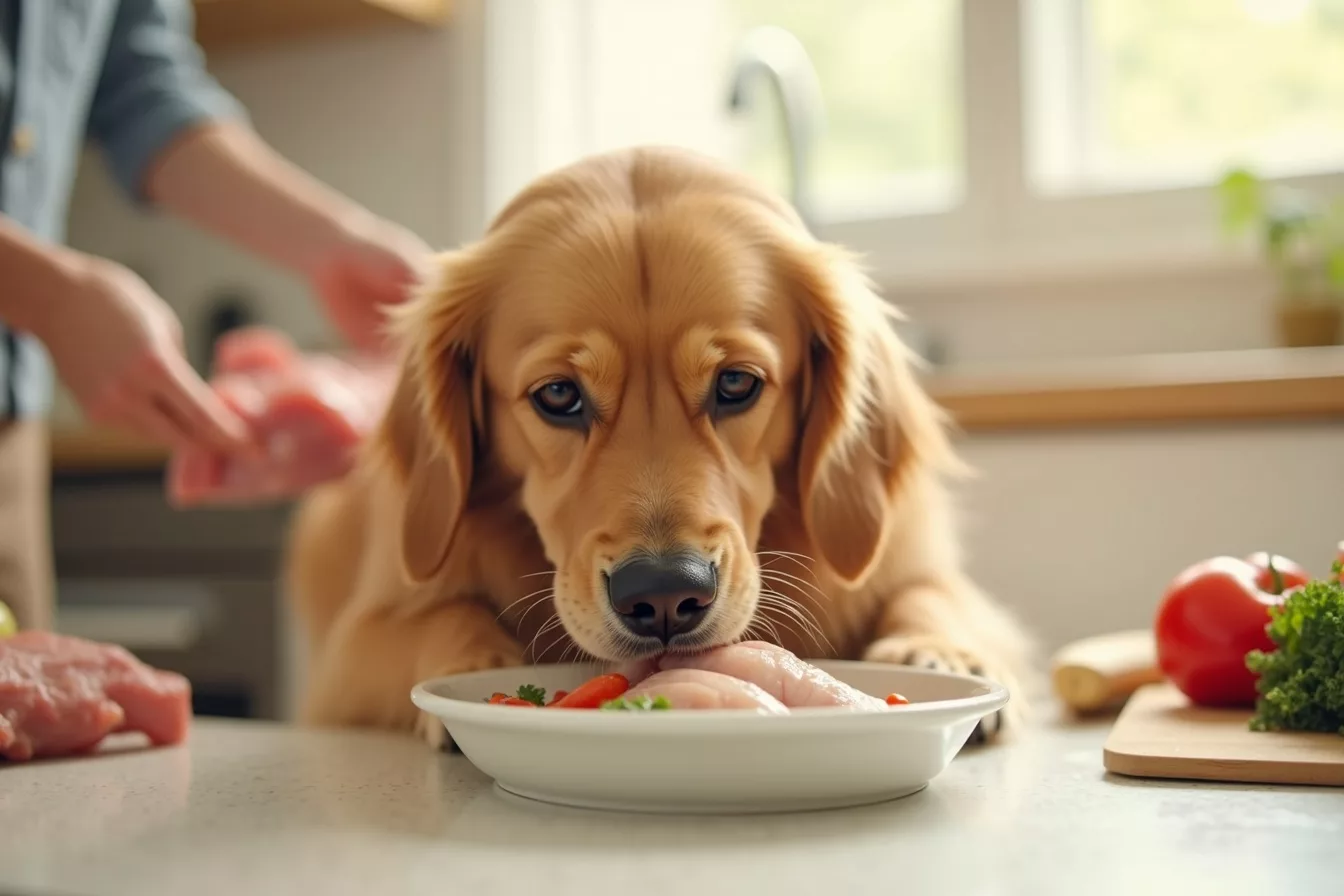

A shocking 1 in 3 UK dog owners are now considering raw feeding for their pets—but vets remain divided. A 2024 survey by the British Veterinary Association (BVA) revealed that whilst raw diets are trending, 67% of vets express concerns about nutritional imbalance and bacterial contamination. In this article you’ll discover what the latest research actually shows, why the BARF movement is gaining momentum in 2025, and the one critical safety step every raw-feeding owner must take before switching their dog’s diet.
The raw pet food movement—known as BARF (Biologically Appropriate Raw Food)—has quietly exploded across the UK and US over the past 18 months. Pet owners are increasingly ditching commercial kibble for frozen raw meals, citing shinier coats, smaller stools, and improved energy levels. But is this trend based on solid science, or clever marketing?
The answer is complicated. And that’s precisely why we’ve dug into the latest 2024-2025 data to separate fact from hype.
📊 Key Figures 2025
- 32% of UK pet owners now feed or are considering raw diets (BVA, 2024)
- 67% of UK vets express concerns about nutritional completeness and food safety (BVA Survey, 2024)
- The UK raw pet food market is projected to reach £342 million by 2026, up 23% from 2023 (Pet Food Manufacturers’ Association, 2024)
Sources: British Veterinary Association, PFMA UK, 2024–2025
Why Raw Feeding Is Trending Right Now
The movement isn’t new—raw feeding has existed for decades—but accessibility and social proof have changed everything. Instagram accounts documenting golden retrievers devouring raw chicken carcasses now reach millions. Facebook groups dedicated to BARF have over 250,000 active UK members sharing meal plans and success stories.
More importantly, specialist raw pet food brands like Butternut Box, Honey’s Real Food, and Forthglade Raw have professionalised the sector. These aren’t dodgy backyard suppliers; they’re AAFCO-certified (Association of American Feed Control Officials) or working towards full nutritional accreditation. The result? Raw feeding feels less fringe and more mainstream in 2025.
Emma Richardson, a Labrador owner from Manchester, switched her 4-year-old rescue, Biscuit, to raw food in January 2024. “Within six weeks, his coat was glossier, his breath improved, and he seemed more energetic,” she says. “I was sceptical at first, but the science made sense to me.”
What Does the Science Actually Say?
Here’s where it gets tricky. Whilst anecdotal reports are overwhelmingly positive, peer-reviewed evidence is thinner than many raw-feeding advocates claim. A 2023 study by the University of Guelph (Canada) found that raw diets for dogs were frequently nutritionally incomplete, lacking adequate calcium, phosphorus, or vitamin D when home-prepared.
The Royal Canine Society of the UK acknowledges that raw feeding can be nutritionally sound if properly balanced—but the emphasis is on “if properly balanced.” Many owners creating DIY raw meals don’t consult a veterinary nutritionist, leading to deficiencies that only show up months or years later.
Food safety remains contentious. Raw meat carries risks for both pets and humans—salmonella, E. coli, and listeria can spread through the household. The RSPCA advises that raw feeding is viable but only under strict hygiene protocols.
✅ Expert Tip
Before switching to raw, invest in a consultation with a veterinary nutritionist (typically £150-£300). They’ll analyse your dog’s specific needs and either approve a commercial raw brand or devise a properly balanced DIY plan. This single step prevents costly health issues down the line.
⚠️ Warning
If your dog has a compromised immune system, is very young, pregnant, or elderly, consult your vet before raw feeding. Puppies under 12 weeks and immunocompromised pets are at higher risk from pathogens in raw meat. Always practice strict hand hygiene and store raw meals separately from human food.
The Mainstream Turning Point in 2025
What’s genuinely new this year is institutional acknowledgment. In January 2025, the Royal Veterinary College (RVC) announced a three-year research project specifically investigating the long-term health outcomes of raw-fed vs. kibble-fed dogs. This is the gold standard: real vets, rigorous methodology, and peer review.
Additionally, major UK veterinary chains like Vets4Pets and Pets at Home have begun stocking premium raw brands alongside traditional food—a signal that raw feeding is no longer fringe, but a legitimate dietary choice worth offering.
The British Veterinary Association remains cautiously neutral: raw feeding is acceptable if nutritionally complete and hygienically managed, but it’s not universally superior to high-quality commercial kibble.
What Should Pet Owners Do Right Now?
Raw feeding in 2025 is mainstream—but that doesn’t mean it’s right for every dog or every owner. If you’re considering the switch, follow these steps:
1. Talk to your vet. Not just for approval, but to rule out any underlying health issues that might make raw feeding unsuitable.
2. Choose a certified brand or hire a nutritionist. DIY raw feeding without professional guidance is where things go wrong.
3. Transition gradually. Raw food is richer; switching overnight can cause digestive upset.
4. Monitor bloodwork annually. Annual vet checks with blood panels ensure your dog isn’t developing deficiencies.
If raw feeding isn’t for you, that’s fine too. Modern premium kibbles are nutritionally superior to what existed five years ago, and they carry zero food safety risk.
The Bottom Line for 2025
The BARF movement is undeniably mainstream now—32% of UK owners are actively engaged or curious. But mainstream doesn’t equal universally appropriate. Raw feeding works brilliantly for some dogs and owners; for others, it’s unnecessary or impractical.
The real shift in 2025 is this: vets and pet food companies are no longer dismissing raw feeding outright. Instead, they’re asking the right question: how do we make it safe, complete, and accessible?
Have you considered raw feeding for your dog, or are you happy with your current diet? The answer depends entirely on your pet’s individual needs—and honest conversation with your vet.