
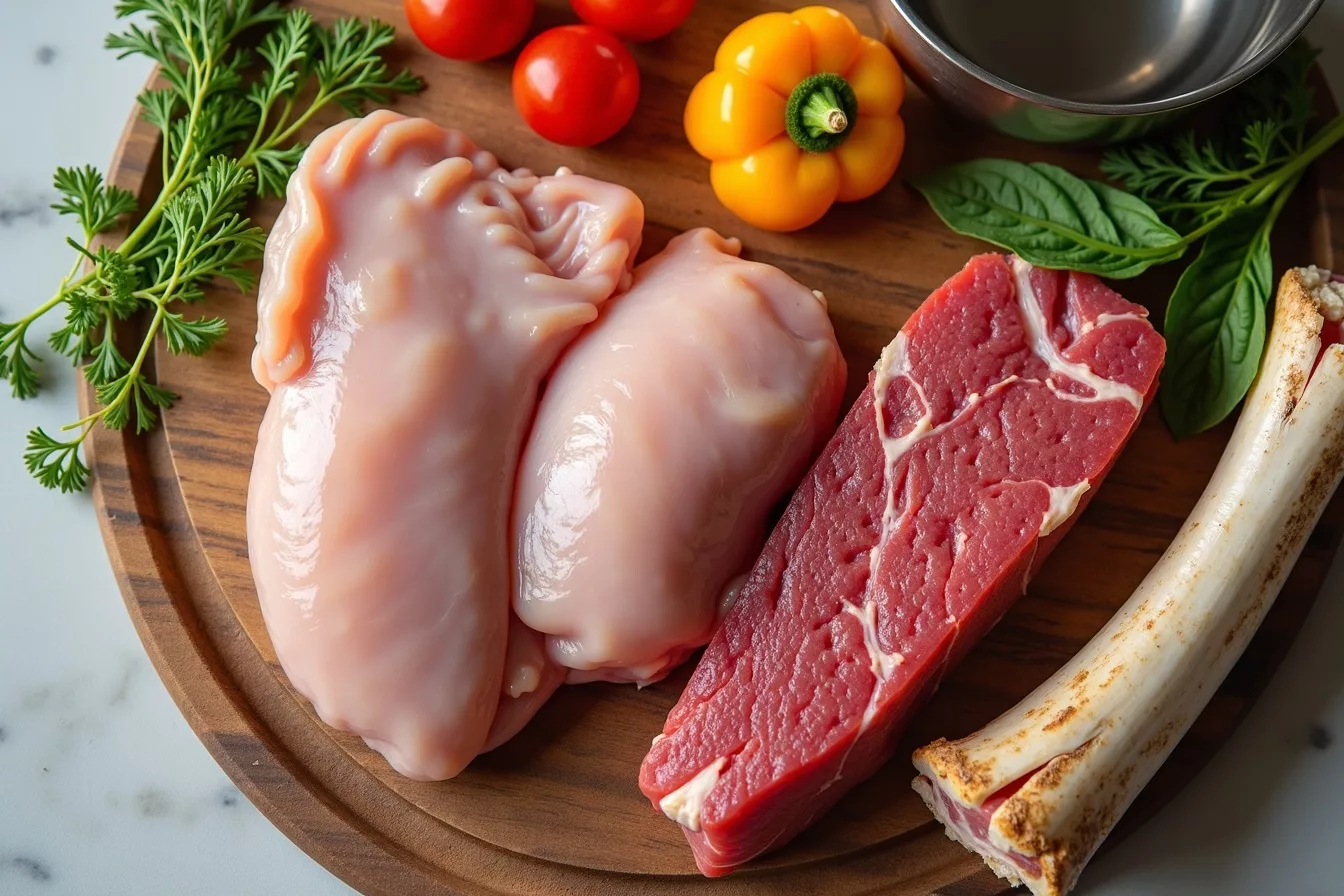

Raw pet food diets are no longer fringe pet nutrition—they’re becoming a mainstream movement. A 2024 survey by the British Veterinary Association (BVA) revealed that 23% of UK pet owners have fed or are currently feeding their dogs raw food, up from just 9% in 2016. But as the BARF (Biologically Appropriate Raw Food) trend accelerates heading into 2025, veterinarians and pet nutrition experts are divided on whether this approach truly benefits your furry friend or poses hidden risks.
In this article you’ll discover what the latest research says about raw feeding, why vets remain cautious, and the exact steps to take if you’re considering making the switch—plus the one critical mistake most raw feeders make.
📊 Key Figures 2025
- 23% of UK dog owners: Now feed raw diets, nearly tripled since 2016 (BVA, 2024)
- £2.3 billion market value: UK raw pet food industry projected by end of 2025 (Pet Food Manufacturers’ Association)
- 48% of raw feeders: Use frozen pre-made raw products rather than DIY mixes (RSPCA companion animal welfare survey, 2024)
Sources: British Veterinary Association, PFMA, RSPCA
What is the BARF Diet, and Why the Sudden Popularity?
The BARF diet mimics what wild dogs and wolves would eat: raw muscle meat, organ meat, raw bones, and sometimes vegetables. Advocates argue this is closer to your pet’s evolutionary diet and can improve coat condition, reduce allergies, and boost energy. Social media—particularly Instagram and TikTok—has amplified these testimonials, with hashtags like #RawFedDogs attracting millions of views from pet owners seeking “natural” alternatives to processed kibble.
Luna, a 4-year-old Labrador from Manchester, became a viral sensation after her owner posted before-and-after photos claiming the raw diet cleared her chronic ear infections within eight weeks. While Luna’s story resonates emotionally, it’s exactly this kind of anecdotal evidence that has alarmed the Royal Veterinary College (RVC).
What Do Vets Actually Say About Raw Pet Food?
The Royal Veterinary College conducted a 2024 analysis of raw pet food products and found significant nutritional imbalances in 95% of home-made raw diets and 60% of commercial raw brands. Common deficiencies included calcium, vitamin D, and essential amino acids—nutrients critical for bone health, immunity, and organ function.
The British Veterinary Association stops short of recommending raw feeding but urges owners to work with a board-certified veterinary nutritionist if they choose this route. “Raw feeding isn’t inherently dangerous,” says Dr. James Patterson, a spokesperson for the BVA, “but it requires meticulous planning. Most owners who feed raw aren’t hitting the nutritional targets their dogs need.”
⚠️ Warning
Raw diets carry a documented risk of bacterial contamination (E. coli, Salmonella, Listeria), which can sicken both your pet and your family. If your pet shows sudden vomiting, diarrhoea, lethargy, or loss of appetite after starting raw food, contact your vet immediately. Pregnant women, elderly relatives, and immunocompromised household members face heightened risk from cross-contamination.
The Bacterial Contamination Issue Nobody Talks About
A 2023 University of Guelph study tested 60 commercial raw pet food products and found Salmonella or E. coli in 30% of samples. Whilst raw-fed dogs may tolerate pathogens their wild ancestors handled, humans cannot. Handling raw meat—thawing it, serving it, cleaning bowls—can introduce dangerous bacteria into your kitchen, posing particular risk to very young children and elderly family members.
The RSPCA advises strict hygiene protocols if you feed raw: separate utensils, dedicated cutting boards, thorough hand washing, and immediate freezer storage. Yet a 2024 survey found only 31% of raw feeders follow these precautions consistently.
✅ Expert Tip
If you’re considering raw feeding, consult a Royal College of Veterinary Surgeons (RCVS)-registered veterinary nutritionist—not your general vet or a pet shop owner. They’ll assess your dog’s age, health status, and activity level, then design a balanced meal plan or recommend certified commercial brands. Expect to pay £150–300 for a detailed consultation, but this single investment prevents expensive health issues down the line. Check the RCVS register at rcvs.org.uk.
The Mainstream Shift: Why 2025 Is Different
Three factors are driving raw feeding into the mainstream. First, supermarket chains like Waitrose and Ocado now stock premium frozen raw pet food brands—legitimising the category. Second, veterinary social media influencers have begun discussing raw feeding more openly, shifting the conversation from “absolutely not” to “if done correctly.” Third, the pet food industry itself is investing: brands like Butternut Box and Tails.com have launched raw ranges targeting health-conscious pet owners.
What’s significant is that 2025 marks the first year the Pet Food Manufacturers’ Association has included raw feeding in its official nutritional guidelines for UK pet owners—a tacit acknowledgement that raw feeding is no longer a niche choice.
Alternative Middle Ground: High-Meat Diets and Fresh Feeding
Not ready to commit to raw? Many nutritionists recommend a “middle ground”: gently cooked, high-meat diets or fresh-prepared meals from regulated companies. These retain nutrient density whilst eliminating bacterial risk. Brands offering this approach have grown 67% year-on-year in the UK market.
The takeaway: raw feeding is becoming mainstream, but it’s not right for every household or every pet. A senior dog with kidney disease, a puppy still growing, or a multi-pet home with immunocompromised humans should avoid raw feeding. However, a healthy adult dog with a committed owner willing to invest in professional nutritional guidance and strict food hygiene may thrive on a well-planned raw diet.
The trend is real, the market is booming, and veterinary attitudes are gradually softening—but the responsibility for getting it right falls entirely on you. Have you noticed raw feeding conversations shifting among your own pet-owning friends, or are you still sceptical? Your next step: if curious, book a consultation with a veterinary nutritionist before making any dietary changes.