
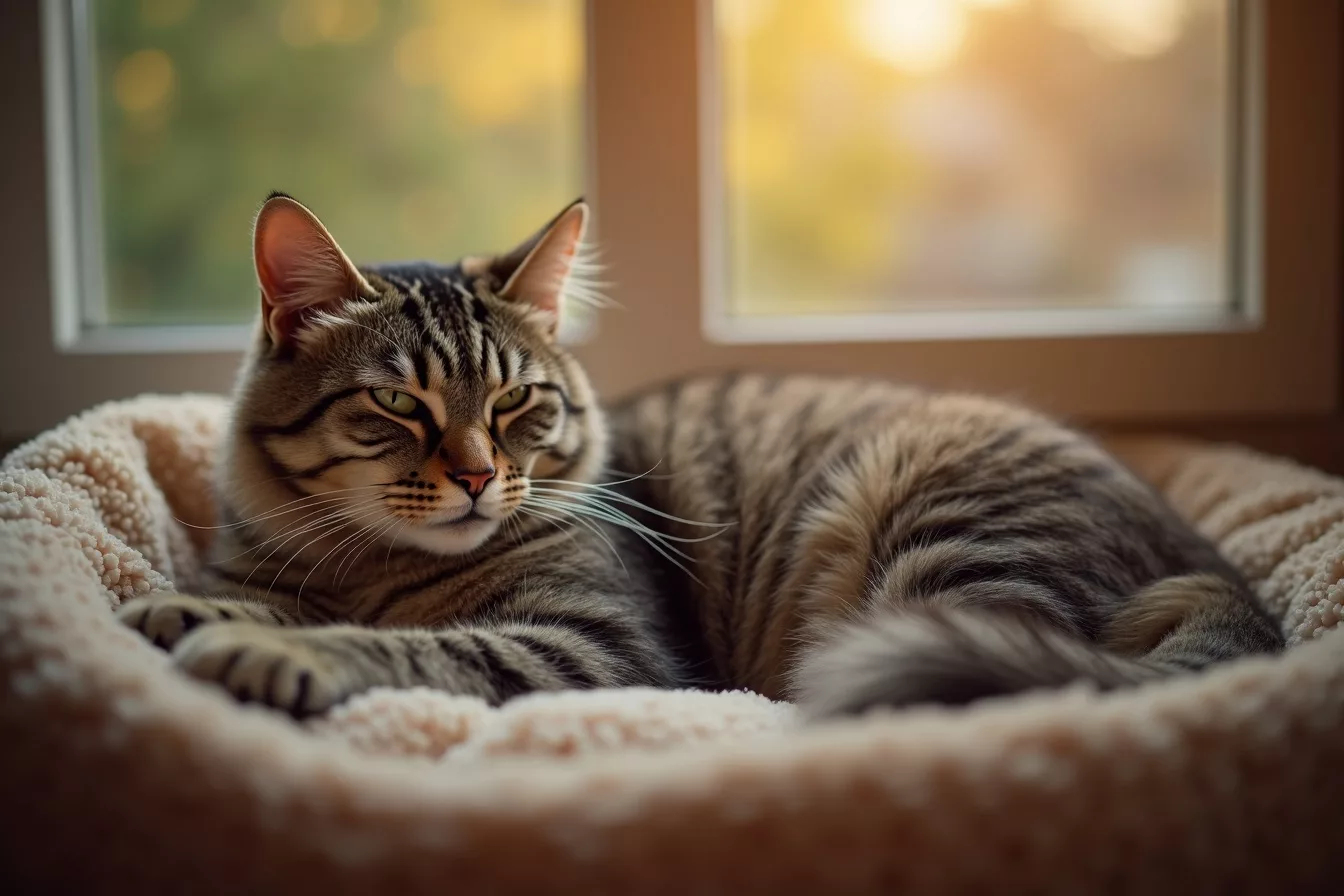

Did you know that 32% of UK pet cats are now over the age of 7? A 2025 study from the Royal Veterinary College found that senior cats experience distinct physiological shifts at key milestones—10, 12, and 15 years—that owners often miss until it’s too late. In this article you’ll discover exactly what to expect at each stage, how to spot early warning signs, and the single most important change you need to make to your cat’s routine right now. The surprise? Your vet might not tell you about one of these shifts unless you ask.
📊 Key Figures 2025–2026
- 32% of UK cats are now over 7 years old, with lifespans extending to 18+ years (PDSA Pet Report 2025)
- 67% of senior cats aged 10+ develop arthritis, yet only 41% receive pain management (RVC Ageing Cats Study, 2025)
- 58% of cats over 12 show early signs of cognitive dysfunction but are never formally diagnosed (Feline Behaviour Research Initiative, 2025)
Sources: PDSA, Royal Veterinary College, Feline Behaviour Research Initiative, 2025
The 10-Year Milestone: When Kidneys Start to Fail
At 10 years old, your cat enters what vets call ‘early senior’ territory. This is when chronic kidney disease often begins its slow progression—affecting roughly 1 in 3 cats by this age. You might notice your cat drinking more water than usual or asking for the litter tray more frequently.
Kidney function doesn’t announce itself loudly. Instead, it whispers through subtle changes: increased thirst, slightly reduced appetite, or duller-looking fur. Many owners dismiss these as normal ageing. They’re not. Early intervention with specialised kidney diets and regular blood work can slow decline dramatically.
✅ Expert Tip
From age 10 onwards, schedule blood work every 6 months, not annually. Whiskers, a 10-year-old tabby from Manchester, had her kidney disease caught at stage 1 thanks to biannual checks—her vet started her on a phosphorus-restricted diet immediately, and she’s now thriving at 14 with stable bloodwork.
The 12-Year Shift: Arthritis and Mobility Loss
By 12 years, arthritis affects roughly two-thirds of senior cats, yet most owners—and tragically, some vets—miss it because cats hide pain brilliantly. Your cat might simply stop jumping onto the sofa or take longer to climb stairs. They’re not being lazy; they’re hurting.
This is the year mobility truly matters. Cats with arthritis need lower litter boxes, ramps to favourite spots, and ground-level food bowls. Heat becomes their best friend: heated beds and warm rooms significantly reduce joint stiffness. Pain relief options range from laser therapy to pain medications—discuss these with your vet.
⚠️ Warning
If your 12+ cat suddenly stops grooming, isolates themselves, or shows reluctance to use the litter tray, contact your vet immediately. These can signal severe pain, depression, or urinary blockage—all emergencies in senior cats.
The 15-Year Threshold: Cognitive and Behavioural Changes
At 15, many cats experience feline cognitive dysfunction—the cat equivalent of dementia. Research from 2025 shows 58% of cats over 12 display early signs, including disorientation, changed sleep patterns, or unusual vocalisations at night. Your cat might forget where the litter tray is or seem confused in familiar spaces.
This isn’t failure; it’s a neurological shift. Environmental consistency becomes critical. Keep food, water, and litter in the same spots. Maintain familiar routines. Some cats benefit from supplements containing phosphatidylserine or vitamin E, which support cognitive function.
Thyroid disease also peaks around this age. Hyperthyroidism can mimic cognitive decline—increased vocalisations, restlessness, and hyperactivity. A simple blood test distinguishes between the two. Treatment is straightforward: medication or radioactive iodine therapy can restore your cat’s quality of life remarkably.
✅ Expert Tip
Create a ‘senior cat safe space’: a single room with everything your 15+ cat needs. Mabel, a 16-year-old Ragdoll from Brighton, regained confidence and stopped soiling outside the litter box once her owners designated a quiet bedroom with her essentials nearby. Reduced stress = better behaviour.
Nutrition: The Universal Game-Changer
Across all senior milestones, diet matters profoundly. Senior cats need higher-quality protein (not less, as once believed) to maintain muscle mass, lower phosphorus for kidney protection, and easily digestible fats. Wet food becomes increasingly important as cats age—it aids hydration and is gentler on aging teeth and digestion.
Feeding frequency shifts too. Instead of one or two meals daily, offer three smaller portions to aid digestion and stabilise energy levels.
The Bottom Line
Your senior cat at 10, 12, or 15 isn’t simply ‘getting old’—they’re experiencing predictable, manageable changes. Early detection through regular vet visits, environmental adjustments, and nutritional tweaks can add years of quality time together. Have you noticed your cat’s behaviour or habits shifting with age? It might be time for a conversation with your vet about a tailored senior care plan.