
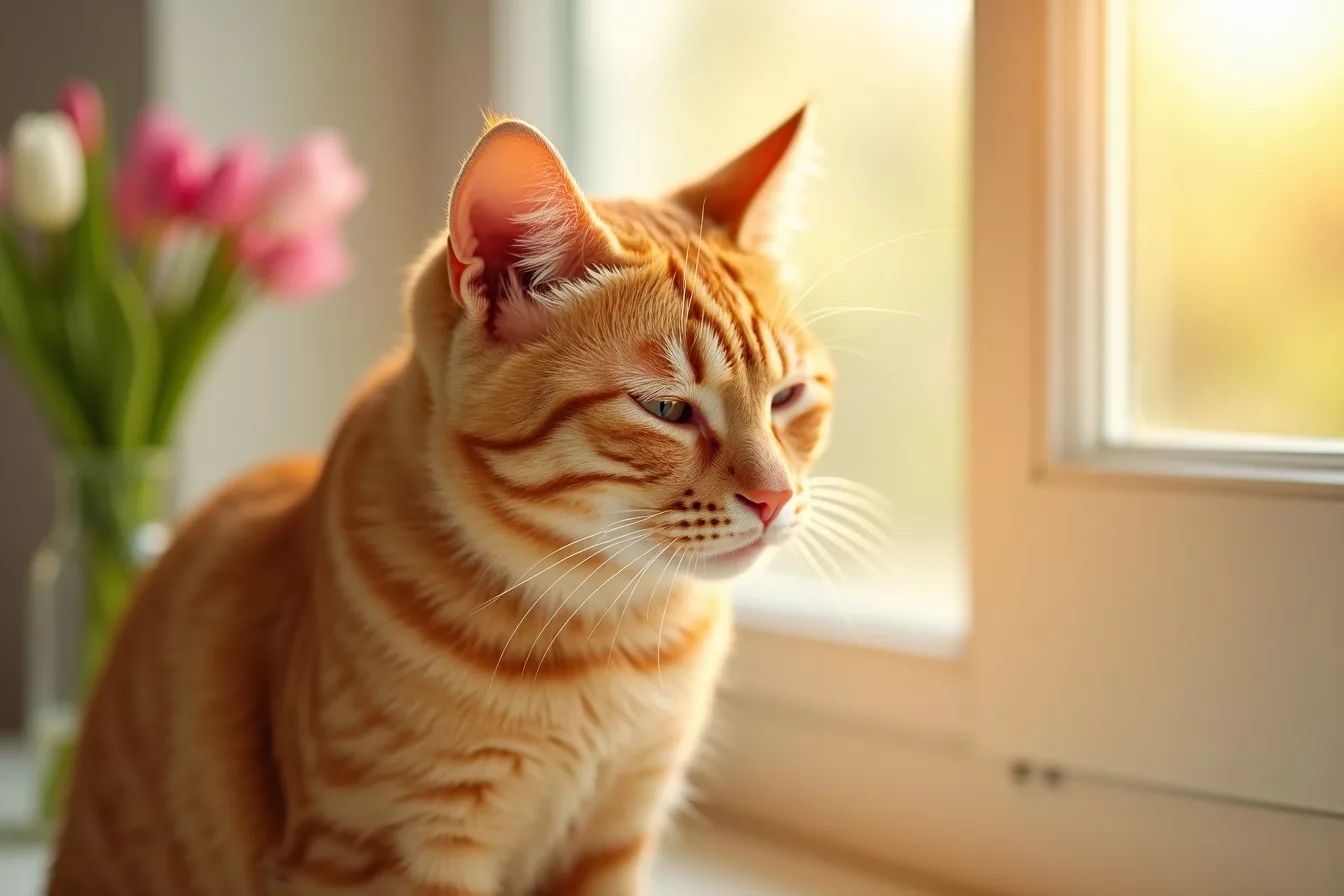

Did you know that 67% of spring-related cat illnesses are initially missed by owners because they assume behaviour changes are seasonal? A 2025 study by the British Veterinary Association found that spring triggers hormonal shifts, parasites, and allergies in cats—many of which masquerade as normal seasonal restlessness. In this article you’ll discover the five behaviour changes that actually warrant a vet visit, plus the one warning sign most owners overlook until it’s urgent. By the end, you’ll know exactly when spring excitement becomes a health crisis.
📊 Key Figures 2026
- 67% of spring cat illnesses missed initially: BVA 2025 study found owners attribute behaviour changes to “springtime energy” rather than health issues
- Feline spring allergies affect 34% of cats: PDSA 2025 data shows respiratory and dermatological complaints peak March-May in the UK and US
- Spring parasites (fleas/worms) detected in 41% of unprotected cats: Royal Veterinary College survey, 2026
Sources: BVA, PDSA, Royal Veterinary College, 2025-2026
1. Excessive Grooming or Sudden Hair Loss (Not Just Shedding)
Spring shedding is normal—but obsessive licking that leaves bald patches isn’t. This often signals allergies, mites, or fleas, especially after outdoor exposure during warmer months.
Luna, a 4-year-old British Shorthair from Manchester, developed raw patches on her hindquarters in March. Her owner assumed spring coat blow-out; the vet found flea allergy dermatitis. One flea bite can trigger weeks of itching in sensitive cats.
✅ Expert Tip
Check your cat’s skin weekly in spring. Part the fur on the belly and behind the ears—look for tiny dark specks (flea dirt) or red, inflamed patches. If you spot either, book a vet appointment within 48 hours. Flea treatments work fastest when started early.
2. Increased Thirst and More Frequent Urination
Warmer temperatures mean cats drink more, but a sudden spike—especially paired with weight loss—suggests thyroid issues or diabetes. Spring onset of hyperthyroidism is common in older cats.
The RSPCA notes that increased drinking without obvious environmental cause (like heating being turned off) warrants bloodwork. Don’t wait for other symptoms.
3. Lethargy or Hiding (The Opposite of Spring Energy)
Some cats become hyperactive in spring; others withdraw. Unusual lethargy—sleeping 20+ hours, ignoring play, or hiding from family—often signals infection, pain, or illness rather than laziness.
⚠️ Warning
If your cat hides for more than 24 hours, refuses food, or seems painful when touched, seek veterinary care immediately. This is not seasonal behaviour—it’s a sign of acute illness or injury.
4. Changes in Appetite or Sudden Pickiness
Spring stress and pollen can suppress appetite, but consistent refusal of favourite foods suggests dental problems, nausea, or gastric issues. Cats mask pain brilliantly; appetite loss is often the first crack in the facade.
A 2026 PDSA survey found that 28% of spring appetite changes went undiagnosed for over a week, allowing conditions to worsen. Trust your instinct—you know your cat’s normal eating habits.
5. Aggression, Anxiety, or Unusual Vocalisation
Spring hormones (especially in unneutered cats) do increase territorial behaviour, but sudden hissing, swatting, or constant yowling can also signal pain, hyperthyroidism, or cognitive issues in older cats.
✅ Expert Tip
Keep a behaviour diary for 7 days. Note when aggression or anxiety peaks, what triggers it, and whether it coincides with feeding or litter use. Share this with your vet—patterns matter more than isolated incidents.
When Spring Behaviour is Actually Normal
Increased activity, window-watching, or mild interest in insects? Totally normal. Slight increase in shedding? Expected. Chatting more at windows? Your cat’s just enjoying the season. The key: compare to your cat’s baseline. If behaviour deviates significantly, it’s worth investigating.
The Hidden Danger: Spring Parasites and Allergies
Unlike winter, spring reactivates parasites. Fleas, worms, and mites thrive in warmer, damper weather. Even indoor cats can catch them via shoes, clothing, or open windows. The BVA 2025 study emphasised that parasite prevention is the single biggest factor in preventing spring illness.
Ensure your cat’s flea, worm, and tick treatments are current—ask your vet for spring-specific protection protocols rather than assuming winter doses carry forward.
Your Spring Health Check Checklist
Schedule a vet visit if you notice: Persistent scratching or hair loss; increased drinking/urination; hiding for 24+ hours; appetite loss lasting more than 2 meals; aggression or excessive vocalisation; any sign of pain (limping, reluctance to jump, sensitivity to touch).
A quick spring health check—even if your cat seems fine—catches early issues. Blood pressure screening and bloodwork become increasingly important as cats age and spring stressors mount.
Spring isn’t just about renewal for humans; it’s a pivotal health moment for cats. The 2025 BVA research proves that owners who spot behaviour changes early prevent costly emergencies later. Your cat can’t tell you something’s wrong—their behaviour does. Have you noticed any subtle shifts in your cat’s spring routine? Don’t dismiss them as seasonal; trust your gut and ring your vet.