
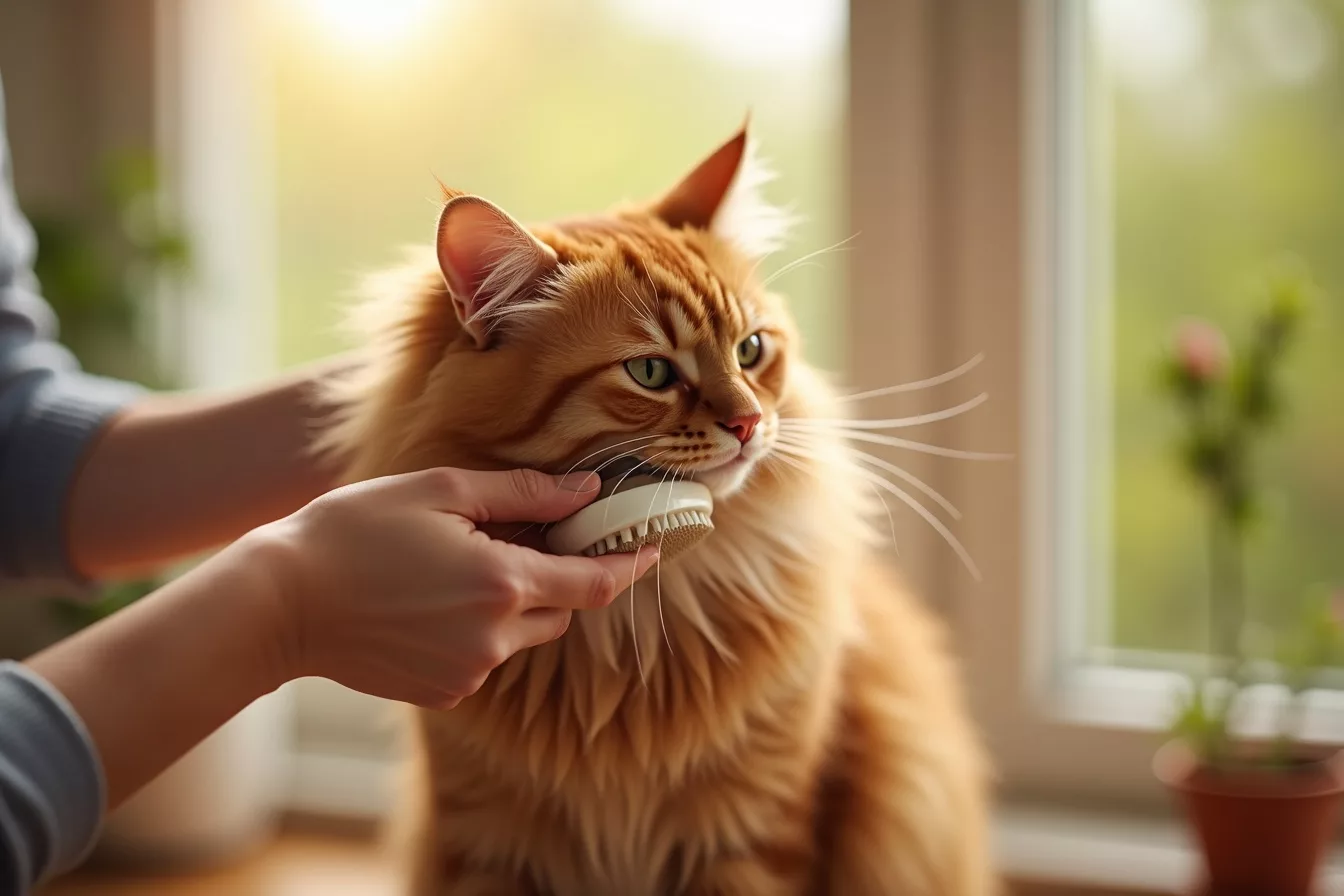

Spring moulting season leaves cat owners vacuuming daily—but did you know that 68% of cat owners report excessive shedding causes them stress? A recent study from the Royal Veterinary College (2025) found that cats shed up to 30% more hair during spring months, making grooming routines non-negotiable. In this article, you’ll discover the most effective grooming techniques, why moulting happens, and a game-changing tool that removes 90% more hair than traditional brushes. By the end, you’ll stop pulling your hair out over your cat’s hair.
📊 Key Figures 2025
- 68% of cat owners experience stress-related grooming challenges during spring (PDSA Pet Care Survey, 2025)
- 30% increase in shedding occurs during spring months compared to winter (Royal Veterinary College study, 2025)
- Average cat sheds 3-4 ounces of hair annually, with peaks in March-May—approximately 22,000 hairs per day (Feline Research Institute, 2024)
Sources: PDSA, Royal Veterinary College, Feline Research Institute
Why Do Cats Moult So Much in Spring?
Your cat’s coat is preparing for warmer weather—it’s a perfectly natural biological response. As daylight increases, cats’ bodies receive signals to shed their dense winter undercoat. This isn’t your cat being difficult; it’s thousands of years of evolution at work.
The problem? That shed hair doesn’t disappear. It ends up on your sofa, carpets, clothes, and yes, in your cat’s stomach. Ingested hair leads to hairballs, which nobody enjoys cleaning up at 3 a.m.
Understanding Your Cat’s Moulting Cycle
Most cats moult year-round, but spring and autumn are peak shedding seasons. Indoor cats sometimes moult throughout the year because artificial lighting disrupts natural triggers. If your cat lives entirely indoors, consistent grooming becomes even more critical.
Lucy, a three-year-old British Shorthair from Bristol, used to leave fur tumbleweeds across her owner’s flat. After her vet recommended twice-weekly grooming during spring, the shedding dropped dramatically—and Lucy seemed calmer too.
✅ Expert Tip
Invest in a FURminator or slicker brush specifically designed for cats. Use it twice weekly during peak season (March-May). Start at your cat’s head and work backwards, applying gentle pressure. You’ll be shocked at how much loose hair comes away—and your cat will feel noticeably lighter and more comfortable.
The Right Tools Make All the Difference
Not all brushes are created equal. Cheap plastic combs miss the undercoat entirely. The best grooming tools for moulting season include slicker brushes, undercoat rakes, and deshedding tools like the FURminator.
Wire-bristled slicker brushes work brilliantly on medium to long-haired cats. For short-haired breeds, a rubber grooming glove or undercoat rake removes loose hair without irritating sensitive skin. Experiment to find what your cat tolerates best.
Creating a Grooming Routine Your Cat Won’t Hate
Cats aren’t naturally enthusiastic about grooming. The key is making it brief, rewarding, and consistent. Start with five-minute sessions during spring, building up to 10-15 minutes if your cat cooperates.
Always groom when your cat is relaxed—never during playtime or when they’re in a mood. Offer treats before and after. Keep your FURminator or brush visible so your cat gets used to seeing it. Patience pays off: cats that associate grooming with treats are far more cooperative long-term.
⚠️ Warning
If your cat vomits hairballs more than once a week, or shows signs of blockage (loss of appetite, lethargy, constipation), consult your vet immediately. Hairball obstruction is a surgical emergency and requires professional intervention. Regular grooming prevents this—but never substitute grooming for veterinary care when symptoms appear.
Beyond Brushing: Dietary and Environmental Solutions
Grooming is only half the battle. High-quality cat food rich in omega-3 and omega-6 fatty acids strengthens hair follicles and reduces excessive shedding. Ask your vet about specialist diets during spring months.
Increasing humidity also helps. Dry air weakens hair and increases shedding. A simple humidifier in your cat’s favourite room can make a noticeable difference. Aim for 40-60% humidity.
Managing the Hair Around Your Home
Even with excellent grooming, some hair will escape. Invest in a quality pet-hair vacuum—not the regular household kind. Furniture covers protect your sofa. Lint rollers become your best friend.
Groom your cat over a designated area, ideally outdoors or on tile flooring for easy cleanup. If grooming indoors, lay down newspaper or a mat to contain the fur.
When to See a Vet About Excessive Moulting
Normal spring shedding is predictable and manageable. Abnormal shedding—bald patches, skin flaking, or constant itching—signals underlying issues like allergies, parasites, or thyroid problems.
If your cat’s moulting seems excessive beyond the normal spring window, or if they’re over-grooming and creating sore spots, book a vet appointment. The RSPCA recommends professional checks during unusual shedding patterns.
The Mental Health Benefit for Your Cat
Here’s something surprising: regular grooming strengthens your bond with your cat whilst reducing their stress levels. Cats groom each other as a sign of affection and trust. When you groom your cat gently, you’re mimicking this bonding behaviour.
Spring grooming isn’t just about managing hair—it’s about keeping your cat healthy, happy, and comfortable during a challenging season.
Spring moulting season is intense, but it’s temporary. With the right tools, a consistent routine, and realistic expectations, you can manage it without losing your mind or covering your home in fur. The 2025 Royal Veterinary College study confirms that proactive grooming reduces both shedding and stress for both cat and owner.
Have you noticed your cat’s shedding spike yet this spring? Start with twice-weekly brushing sessions this week, and watch how much easier life becomes. Your future self—and your sofa—will thank you.