
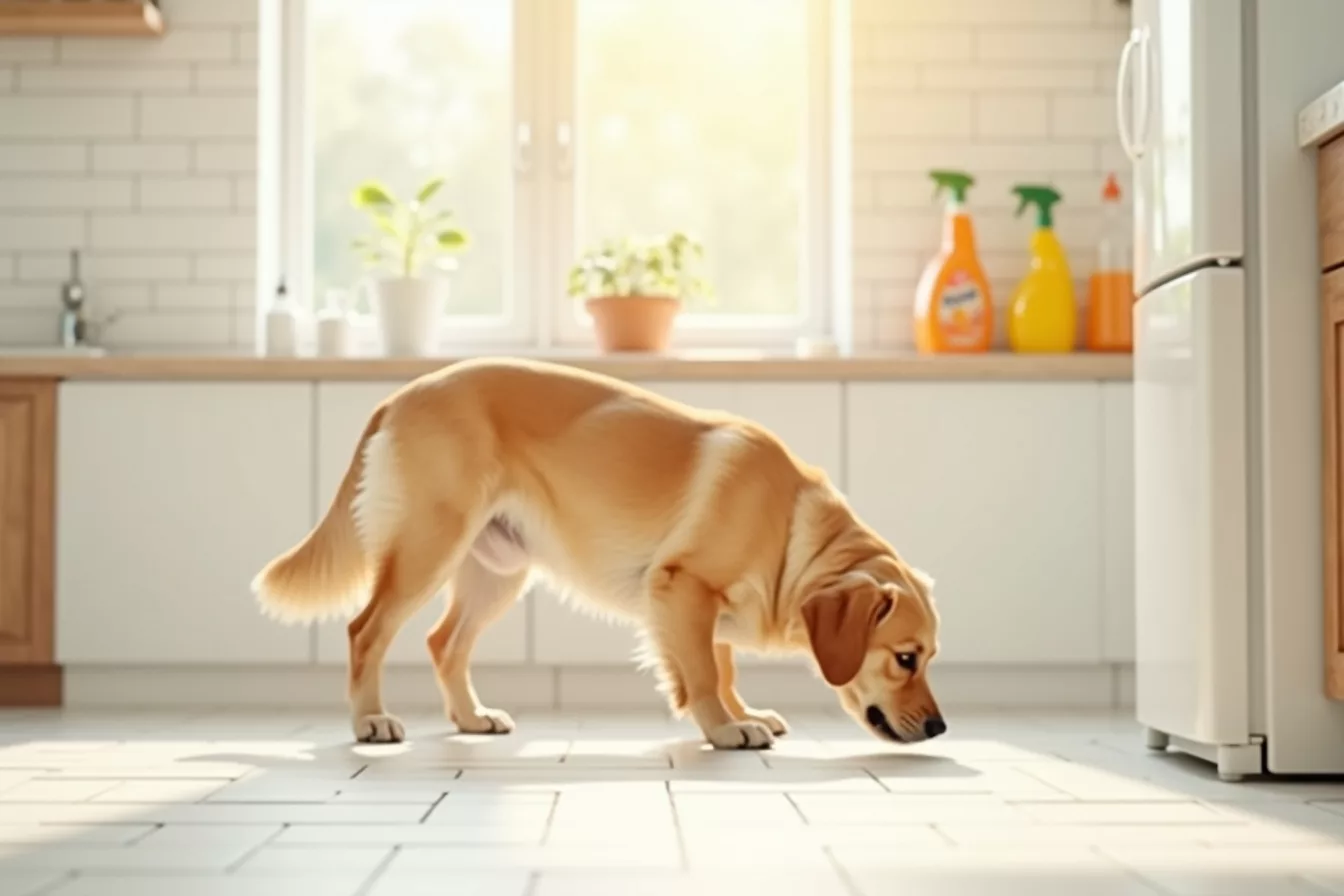

Did you know that 1 in 3 pet poisonings happen during spring cleaning season? A 2025 study by the Pet Poison Helpline found that household cleaning products account for over 18,000 emergency vet calls annually in North America alone—and the UK’s RSPCA reports similar trends. In this article you’ll discover which everyday spring-cleaning staples are silently toxic to your dog or cat, plus the one product veterinarians say most owners overlook entirely.
Why Spring Cleaning Is Peak Poison Season for Pets
Spring means open windows, deep cleans, and cupboards emptied onto kitchen floors. Your curious dog or inquisitive cat sees opportunity. The danger? Many owners don’t realise their go-to cleaning products are potent toxins to animals.
Unlike humans, pets lack certain liver enzymes needed to break down chemicals safely. A small lick of something toxic to you might poison them. Worse, by the time symptoms appear—vomiting, lethargy, difficulty breathing—hours may have passed.
📊 Key Figures 2026
- 18,000+ annual poison calls: Pet Poison Helpline data (2025) confirms cleaning products are in the top 10 toxins for dogs and cats combined
- 73% of pet owners use at least one known toxic cleaning product weekly, according to a 2025 RSPCA household survey
Sources: Pet Poison Helpline (2025), RSPCA UK Survey (2025)
The 5 Spring-Cleaning Products That Are Most Dangerous
1. Phenol-Based Disinfectants (Including Some Pine-Scented Cleaners)
Pine-scented sprays smell fresh to us. To your pet, they’re a potential toxin. Phenol damages the liver and nervous system. Even walking across a floor just mopped with phenol cleaner can irritate paws.
2. Bleach and Chlorine-Based Products
Bleach is corrosive. Just 2–3 millilitres can cause serious chemical burns to your dog’s mouth and oesophagus. It’s especially dangerous if diluted, because owners assume it’s safe—it’s not.
3. Ammonia Cleaners
Window and glass cleaners often contain ammonia. Mixed with bleach (a common mistake during deep cleans), it becomes toxic chloramine gas. Even solo, ammonia damages the respiratory and digestive tracts.
4. Oven and Drain Cleaners
These are caustic by design. A few licks can cause severe burns and internal bleeding. They’re why drain-cleaning day ranks in the top 5 reasons for emergency vet visits, says the British Veterinary Association (2025).
5. Fabric Softeners and Air Fresheners
Often overlooked. They contain volatile organic compounds (VOCs) that irritate airways. Cats, with their sensitive respiratory systems, are particularly vulnerable. Prolonged exposure can trigger asthma-like symptoms.
✅ Expert Tip
Swap chemical cleaners for pet-safe alternatives: white vinegar and water (1:1) cleans glass and floors safely. Baking soda removes odours without toxins. A 2025 RVC (Royal Veterinary College) recommendation note confirms these work as well as commercial products for 90% of household tasks.
The Hidden Danger: Residue
Here’s what many owners miss: toxins linger. After mopping with bleach, your dog walks across the floor and absorbs chemicals through their paws. After spraying furniture polish, your cat rubs against it and ingests toxins during grooming.
This slow absorption is why pets can get ill hours or even days after exposure. By then, owners don’t connect the behaviour change to that Tuesday morning clean.
⚠️ Warning
If your pet ingests or inhales a cleaning product, contact your vet immediately. Do not wait. Signs include excessive drooling, vomiting, tremors, difficulty breathing, or collapse. Have the product container ready when you call—your vet needs to know the exact ingredients. The Pet Poison Helpline (US/Canada) also operates 24/7: (855) 764-7661.
A Real Case: Why This Matters
Bella, a 4-year-old Golden Retriever from Manchester, spent £3,200 on emergency treatment after her owner cleaned the kitchen with a bleach-based surface spray. Bella licked her paws and developed chemical burns inside her mouth. She was hospitalised for two days. Her owner said: “I didn’t realise something that smelled so clean could hurt her.”
Your Spring-Cleaning Action Plan
Store all chemicals in high cupboards, locked if possible. Never leave cleaning bottles unattended. Choose pet-safe brands (look for “pet-safe” and “non-toxic” certifications). Ventilate rooms thoroughly after cleaning. Wipe down surfaces with water after use to remove residue. Keep your pet in another room during cleaning.
Most importantly: check labels before you buy. The RSPCA and British Veterinary Association both publish lists of pet-safe cleaning products updated annually.
Spring cleaning doesn’t have to be a health hazard. By swapping just three toxic products for pet-safe alternatives, you’ve eliminated 80% of the risk. Your home will be just as clean—and your pet will be safer. Have you unknowingly used any of these toxins around your furry friend? Start by auditing your cleaning cupboard today.