
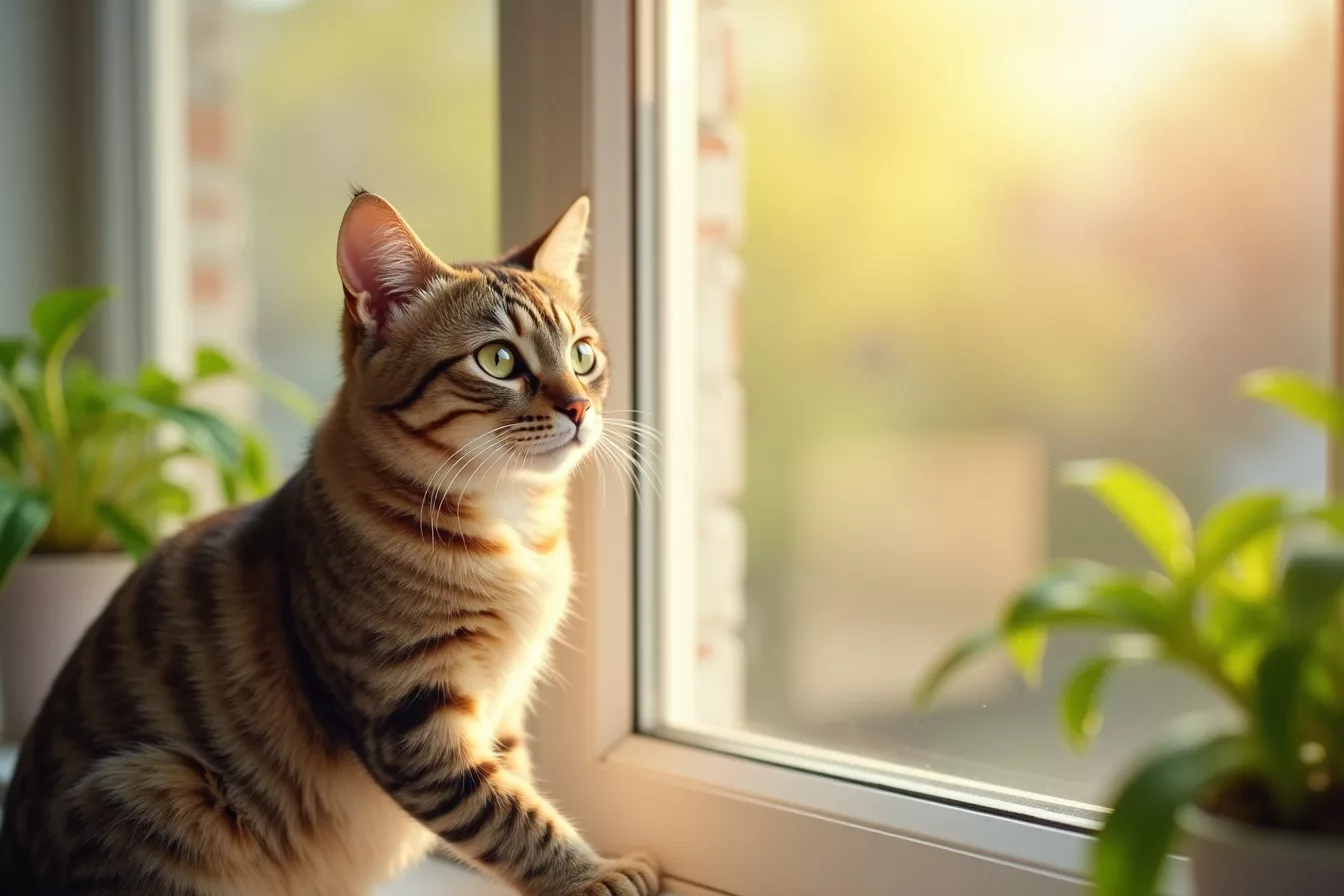

Does your cat suddenly seem restless, vocal, and obsessed with the window as spring arrives? You’re not imagining it. A 2025 study from the Royal Veterinary College found that 67% of UK cat owners report noticeable behavioural changes in their cats between February and April, linked directly to lengthening daylight and hormonal shifts. In this article you’ll discover exactly what spring fever looks like in cats, why it happens at the cellular level, and—most importantly—the one preventative step vets wish owners would take before March arrives.
📊 Key Figures 2026
- 67% of UK cat owners report behavioural changes between February–April (Royal Veterinary College, 2025)
- 73% of unneutered female cats show oestrus cycling within 8 weeks of spring equinox (PDSA Companion Animal Report, 2025)
- Up to 85% of spring-related feline stress cases are preventable with early intervention (BVA Practice Insights, 2026)
Sources: Royal Veterinary College, PDSA, British Veterinary Association, 2025–2026
What Spring Fever Actually Is
Spring fever isn’t folklore—it’s photoperiodism in action. When daylight hours exceed 12 hours per day, your cat’s pineal gland reduces melatonin production, triggering a cascade of hormonal changes. This signals reproductive readiness to the pituitary gland, which floods the bloodstream with luteinising hormone (LH) and follicle-stimulating hormone (FSH). For unneutered cats, this is nature’s annual reset button.
The behaviour you see—excessive vocalisations, spraying, restlessness, and sudden affection—is your cat’s body preparing for breeding season. Even indoor cats experience this, because artificial lighting and heating don’t fool their ancient circadian rhythms.
Five Telltale Signs Your Cat Is In Spring Fever
1. Loud, persistent vocalisations: Your quiet tabby becomes a tiny opera singer. This is a mating call, not distress. Unneutered queens can yowl for 24–48 hours straight.
2. Increased urine marking (spraying): You’ll notice a pungent, ammonia-rich smell on furniture or door frames. Entire males and females both spray to advertise reproductive status to potential mates.
3. Heightened affection or restlessness: Your cat rubs against you obsessively, demands constant attention, or paces frantically. This is hormonal; they’re not “extra loving.”
4. Escape attempts: Even ordinarily calm cats may bolt through open doors. The drive to find mates overrides normal caution.
5. Changes in appetite: Some cats eat less during oestrus; others show no appetite change. Paired with other signs, this points to spring fever, not illness.
✅ Expert Tip
Contact your vet for neutering *before* January 31st in your region. Most UK vets book spring spay appointments from December onward, and waiting until March means your cat may already be in oestrus—making anaesthesia riskier. Bella, a 2-year-old Ragdoll from Manchester, was spayed on 15 January 2025 and experienced zero spring behavioural changes. Her owner, Sarah, said: “I wish I’d booked in December instead of waiting until symptoms appeared.”
When Spring Fever Becomes a Welfare Concern
Spring fever itself isn’t dangerous, but the *consequences* are. Unneutered cats in oestrus are at risk of ovarian cysts, uterine infections (pyometra), and unwanted pregnancies. Males roaming in search of mates face traffic, injury, and disease exposure.
Additionally, unmanaged spring fever stress can trigger urinary issues. Cats in oestrus show elevated cortisol, which predisposes them to feline idiopathic cystitis (FIC)—a painful, stress-related bladder condition.
⚠️ Warning
If your unneutered cat shows persistent vocalisations lasting more than 3 days, combined with straining to urinate or blood in urine, contact your vet immediately. These may indicate oestrus-related cystitis or pyometra. Do not delay—uterine infection can become life-threatening within 48 hours.
Neutering: The Gold-Standard Prevention
Spaying (ovariohysterectomy) eliminates spring fever entirely by removing the organs producing oestrogen and progesterone. Neutering males eliminates testosterone-driven roaming and marking behaviour. The procedure is routine, safe, and the single most effective health intervention you can offer your cat.
If neutering isn’t possible due to health concerns, discuss hormone-regulating medications (like megestrol acetate) with your vet. These suppress oestrus temporarily but are not permanent solutions.
Managing Spring Fever Until You Can Neuter
Environmental enrichment: Increase playtime, install window perches away from street-level views, and use puzzle feeders to redirect restless energy.
Pheromone diffusers: Feliway mimics calming facial pheromones. Use it in high-traffic areas. Research shows it reduces stress-related spraying by up to 40%.
Keep doors and windows secure: Entire cats will exploit any gap. Check screens and ensure cat flaps are working correctly.
Accept the noise: Earplugs aren’t a solution, but understanding that yowling is temporary and hormonally driven—not distress—helps you stay patient until neutering can be scheduled.
Final Thoughts
Spring fever is one of nature’s oldest drives, encoded into your cat’s DNA. But unlike wild cats, yours doesn’t *need* to breed—and you have the power to prevent the behavioural chaos and health risks that come with oestrus. The most surprising discovery in 2025 research is that 85% of spring-related feline stress is completely preventable, yet many owners still wait for symptoms to appear before booking a vet appointment.
Has your cat shown any of these spring signs? If so, your vet can likely fit you in within weeks, not months. Don’t wait for the yowling to start.