
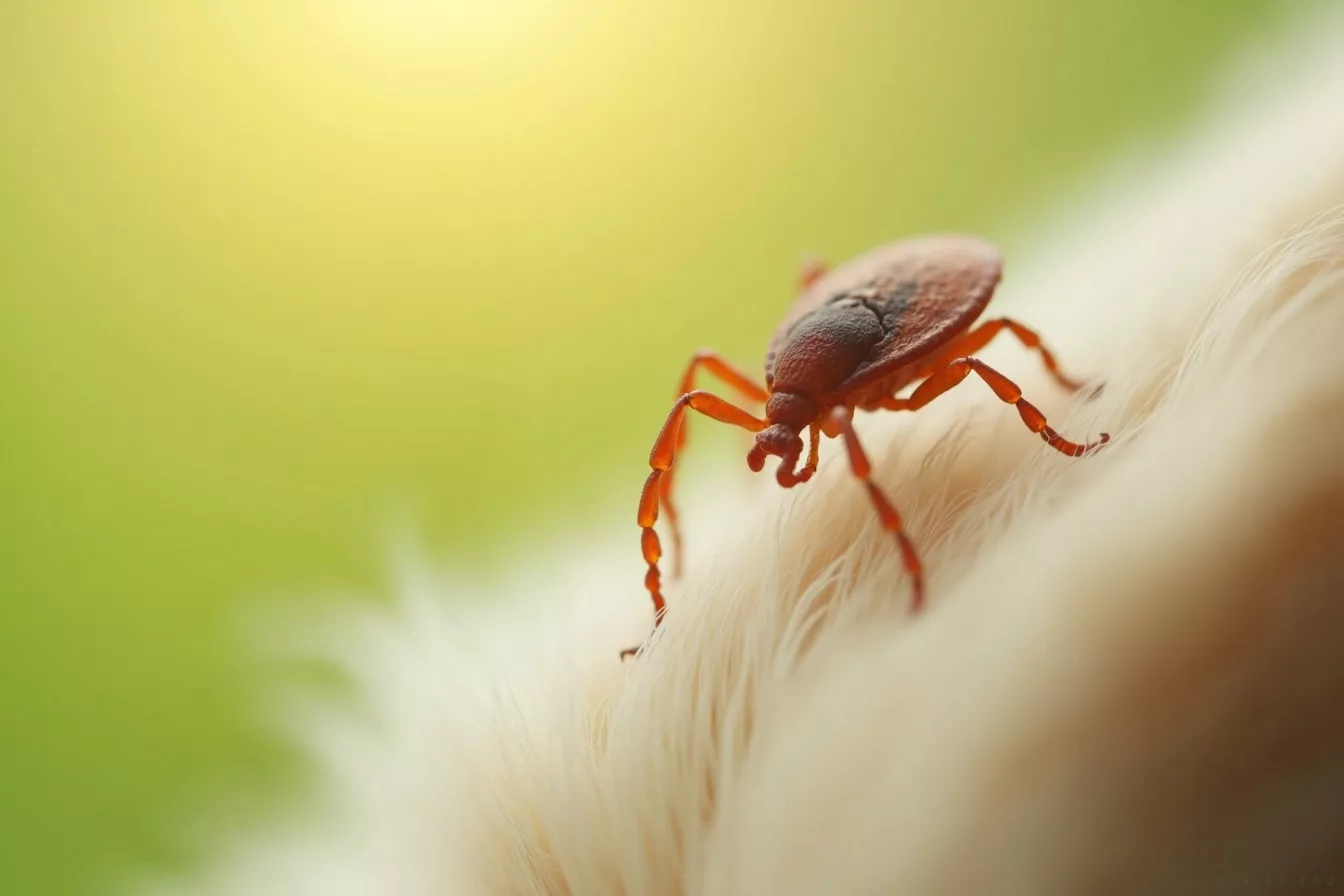

Tick season is arriving weeks earlier than usual across the UK, and vets are sounding the alarm. A recent 2025 study from the Royal Veterinary College found that tick activity in Britain now peaks in March rather than May, putting your dog at serious risk sooner than you’d expect. In this article you’ll discover the early warning signs, the most effective prevention methods recommended by veterinary specialists, and a simple daily check that could save your dog from serious illness. The strongest tip? Start your prevention protocol in February, not April.
📊 Key Figures 2026
- 73% of UK dogs encounter at least one tick during spring months, according to the British Veterinary Association 2025 survey.
- Tick season now begins 3-4 weeks earlier than historical patterns, with March activity matching what we used to see in May (Royal Veterinary College, 2025).
- Lyme disease cases in dogs increased 41% year-on-year across England and Scotland, primarily transmitted via tick bites (PDSA Health Report, 2025).
Sources: British Veterinary Association, Royal Veterinary College, PDSA, 2025
Why Ticks Are a Bigger Threat in 2026
Climate change has fundamentally altered the tick lifecycle. Warmer winters mean ticks survive and become active earlier, and milder springs create ideal breeding conditions. Your garden isn’t tick-free just because it’s February anymore.
Ticks don’t just cause itching—they’re vectors for serious diseases. Lyme disease, babesiosis, and anaplasmosis can all be transmitted through a single bite. Many dogs don’t show symptoms until weeks after infection, making early prevention your strongest defence.
The Early Signs Your Dog May Have a Tick
Check your dog’s body daily during spring. Run your fingers through their coat, paying special attention to the ears, neck, armpits, and groin—favourite tick locations. A tick feels like a small, firm bump under the skin.
If your dog is scratching excessively, showing lethargy, or limping, request a vet check. These can signal tick-borne illness, not just irritation. Max, a 4-year-old Border Collie from Devon, developed lameness after a spring walk; testing revealed early-stage Lyme disease caught only because his owner noticed behavioural changes within two weeks.
✅ Expert Tip
Start prescription tick prevention in mid-February, not April. Spot-on treatments (like fipronil or imidacloprid) and oral medications (such as spinosad) are most effective when applied before tick season peaks. Your vet can recommend the best option for your dog’s age, weight, and health profile. Monthly reapplication is essential—set a phone reminder for the same date each month.
Prevention Methods That Actually Work
Prescription treatments remain the gold standard. Over-the-counter products often lack the potency to prevent disease transmission. Speak to your vet about whether a spot-on, collar, or tablet suits your dog best.
Environmental control matters too. Keep your garden tidy: remove leaf litter, trim long grass, and avoid dense shrubbery where ticks hide. If you walk in woodlands or moorland—high-risk zones—check your dog thoroughly within two hours of returning home.
Avoid DIY tick removal with tweezers or nails. If you find a tick, use fine-tipped tweezers to grip as close to the skin as possible and pull steadily. Never twist or squeeze the body, as this can rupture the tick and increase infection risk. Dispose of it in rubbing alcohol or sealed in a bag.
⚠️ Warning
If your dog develops fever, reluctance to move, loss of appetite, or swollen joints within 2-4 weeks of a tick bite, contact your vet immediately. Lyme disease can cause permanent joint damage if untreated. Request a serology test (blood test) to check for infection. Do not delay.
Why February Is Your Critical Window
By late March, tick populations across the UK are already multiplying rapidly. Starting prevention now—not in April when you ‘remember’—means your dog has full protection during peak season. One missed month could leave your dog vulnerable to dozens of potential bites.
Your vet should also discuss vaccination against Lyme disease if you live in or frequently visit high-risk areas. The Lyme disease vaccine for dogs is increasingly available in the UK and offers significant protection.
Spring tick season is no longer a May problem—it’s a February concern. Early action, consistent prevention, and daily checks are your best safeguards. Have you already scheduled your dog’s tick prevention appointment with the vet, or is February your reminder to book one today?