
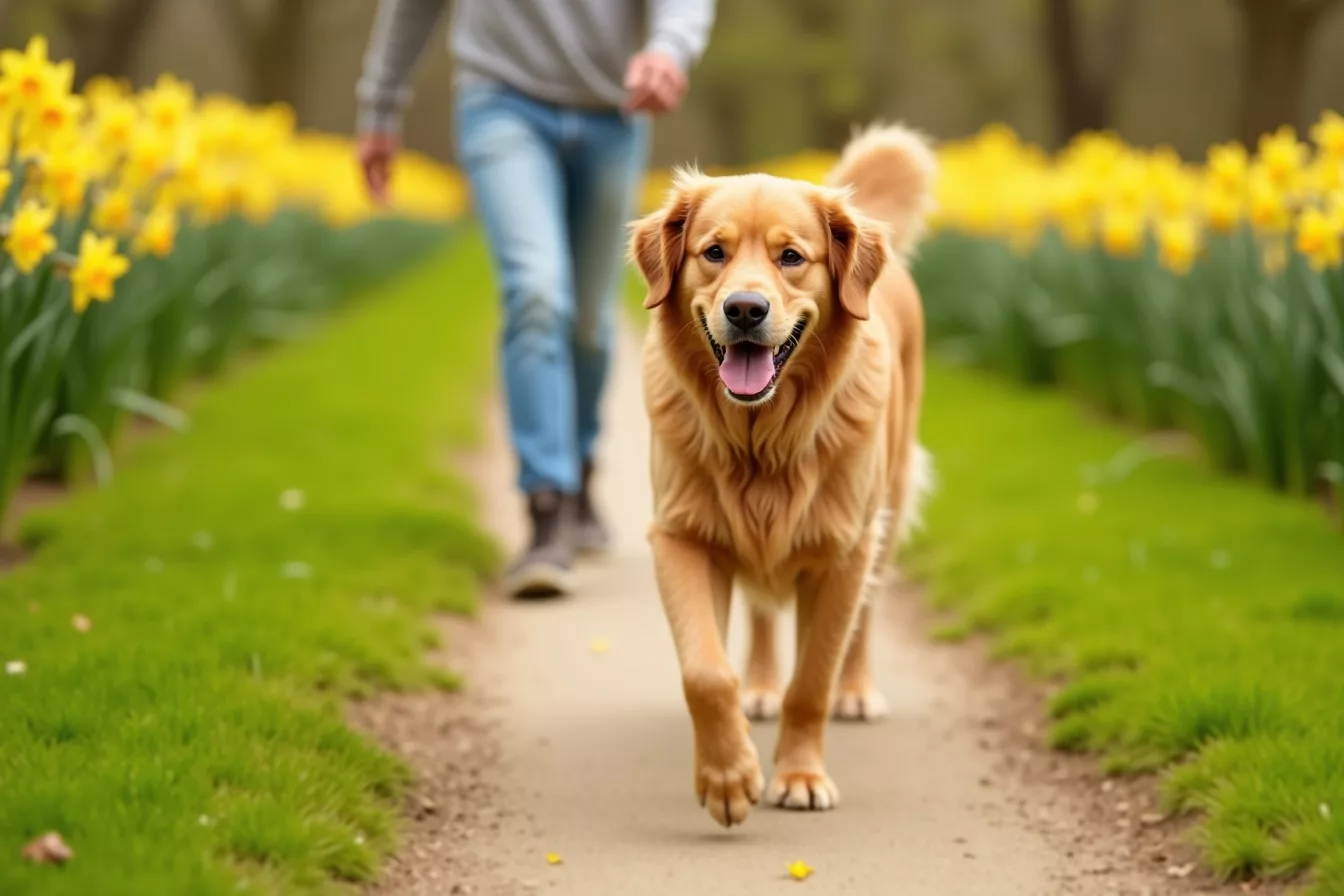

Did you know that 59% of dogs in the UK are classified as overweight or obese? A 2025 study by the Royal Veterinary College found that winter weight gain in dogs increased by 12% compared to 2023, largely due to reduced exercise and comfort feeding. In this article you’ll discover science-backed strategies to help your dog shed those winter kilos safely—and the one mistake most owners make that actually slows progress.
📊 Key Figures 2025
- 59% of UK dogs: Currently overweight or obese (PDSA Animal Well-being Report, 2025)
- 12% increase: Winter weight gain year-on-year rise (Royal Veterinary College, 2025)
- 2-3 pounds per month: Safe weight loss rate for most dogs (RSPCA guidelines)
Sources: PDSA, Royal Veterinary College, RSPCA, 2025
Why Spring Is the Perfect Reset
Spring brings longer daylight hours, warmer temperatures, and renewed energy—perfect conditions to rebuild your dog’s fitness routine. Unlike crash diets, gradual spring weight loss respects your dog’s metabolism and prevents muscle loss.
Start with a Honest Weight Assessment
Before making changes, visit your vet for an official weigh-in and body condition score. This establishes your baseline and rules out underlying health issues like thyroid problems. Your vet can also calculate your dog’s ideal target weight and recommend a safe calorie reduction.
Luna, a 6-year-old Golden Retriever from Manchester, was carrying an extra 8 kilograms when her owner Sarah brought her in at the spring equinox. Her vet recommended losing 1 kilogram over 12 weeks—a realistic, sustainable pace.
✅ Expert Tip
Measure food by weight, not guesswork. A standard measuring cup can hold 20% more kibble than recommended. Use digital kitchen scales and stick to your vet’s portion size exactly. Most weight gain stems from “just a little extra” at each meal.
Reduce Calories Without Reducing Joy
Cutting food by 10-25% is the typical starting point, but avoid leaving your dog feeling deprived. Switch to lower-calorie treats: carrot sticks, green beans, and apple slices satisfy the chewing urge with minimal calories.
High-protein, lower-fat diets preserve muscle whilst burning fat. Ask your vet about prescription weight-management foods or switching to a leaner commercial diet. Wet food often feels more satisfying than dry kibble at the same calorie level.
⚠️ Warning
Never reduce calories by more than 25% without veterinary guidance. Rapid weight loss can trigger liver disease (hepatic lipidosis) in dogs. If your dog shows lethargy, vomiting, or loss of appetite during dieting, stop and contact your vet immediately.
Build Exercise Gradually
Spring weather tempts owners to sprint straight into hour-long hikes, but overweight dogs aren’t conditioned for sudden activity. Start with 15-minute walks at a comfortable pace, then increase by 5 minutes weekly. Low-impact activities like swimming are brilliant for arthritic or overweight dogs.
Play sessions trump forced exercise. A 10-minute game of fetch or tug engages your dog mentally whilst burning calories. Dogs naturally slow down if pushed too hard, so let them set the pace initially.
The Hidden Calorie Culprits
Most owners underestimate treats and scraps. A single digestive biscuit represents 3-4% of a small dog’s daily calorie allowance. Gravy, peanut butter (high in fat), and human leftovers add up quickly.
Involve the whole family in the weight loss plan. Everyone must refuse begging—inconsistency ruins progress. Use a treat jar to visualise your allowance; once empty, no more treats that day.
✅ Expert Tip
Treat training with kibble from your dog’s daily allowance. Remove a small handful from breakfast, use it as training rewards, and count it toward daily calories. Your dog doesn’t know kibble isn’t “special”—and your treat jar stays fuller longer.
Track Progress (Not Just the Scale)
Weigh your dog monthly rather than weekly; daily fluctuations are normal. Between weigh-ins, monitor behaviour: improved energy, easier breathing, and better mobility are signs that the plan is working.
Take progress photos monthly from the same angle. You’ll spot subtle rib and waist definition changes the scales might miss.
The Spring Advantage
Seasonal weight loss is more sustainable than winter dieting. Longer days boost your dog’s natural activity, warmer weather makes outdoor time pleasurable, and the psychological “fresh start” motivates owners. Research shows dogs lose weight 18% faster when owners also increase their own activity levels—a win for both of you.
Spring dieting isn’t about perfection; it’s about steady, sustainable change. A dog that reaches its ideal weight by summer enjoys better joint health, lower disease risk, and years of extra vitality. Your vet is your partner—check in every 4-6 weeks to adjust the plan as your dog progresses.
Have you noticed your dog panting more or moving slower this winter? Spring is the ideal moment to turn that around. Book a vet appointment this week and commit to one small change: measuring portions accurately. Everything else flows from there.