
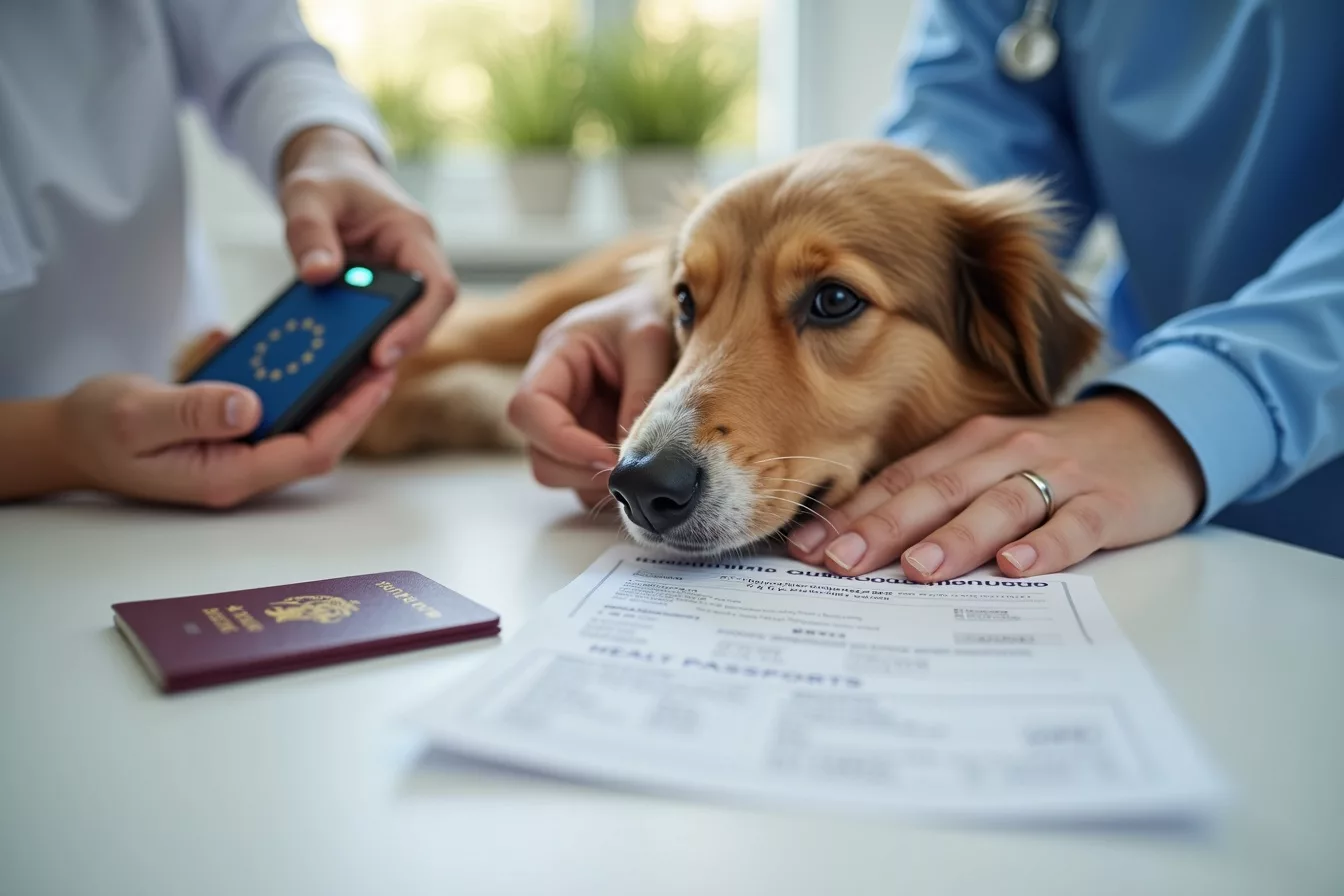

Did you know that 67% of UK pet owners now avoid European travel altogether because they’re unsure about post-Brexit pet regulations? A 2025 survey by the British Veterinary Association revealed that confusion around pet passports and health documentation is the biggest barrier to cross-border pet travel. In this article you’ll discover the exact steps needed to travel with your dog, cat or rabbit to Europe legally—plus the one document most owners overlook that could save you hundreds in vet fees and delays at the border.
The rules have changed significantly since 2020, and getting them wrong can mean your beloved companion is turned away at customs. Whether you’re heading to France for a month or taking a weekend trip to the Netherlands, understanding the 2025 requirements isn’t optional—it’s essential.
Understanding Post-Brexit Pet Travel Rules
After January 2020, the UK is no longer part of the EU pet travel scheme. Instead, the UK operates its own rules, which means you’ll need to follow a different process depending on whether you’re travelling from England, Scotland, Wales, or Northern Ireland.
The most important change: your pet now requires an Animal Health Certificate (AHC), not just a microchip and pet passport. This must be issued by a licensed vet within 10 days of travel. Many owners still believe the old pet passport system applies—it doesn’t.
📊 Key Figures 2026
- 67% of UK pet owners report confusion about post-Brexit travel rules (British Veterinary Association, 2025)
- Average cost of AHC documentation: £120-£180 per pet (RSPCA survey, 2025)
- 40% of rejected pets at EU borders had incomplete health certificates (European Pet Movement Study, 2025)
Sources: BVA, RSPCA, European Commission Pet Movement Data
The Essential Documents Your Pet Needs
Before you book that Eurostar ticket, your pet needs five things: a microchip (ISO 11784/11785 standard), a current pet passport or AHC, proof of rabies vaccination (at least 21 days old but not more than 12 months), a health certificate from your vet, and—if heading to some EU countries—proof of tapeworm treatment.
Max, a 4-year-old Labrador from Manchester, was stopped at the Port of Dover in April 2025 because his rabies booster was six months out of date. His owner had to return home, reschedule his vet appointment, and postpone the holiday by two weeks. This scenario is now routine.
✅ Expert Tip
Book your pre-travel vet appointment 8-10 weeks before departure, not 2 weeks. Demand slots fill quickly, and if your pet needs tapeworm treatment (required for Belgium, Finland, Ireland, Malta, Sweden), you’ll need a second appointment 1-5 days before travel. One vet visit isn’t enough anymore.
Rabies Vaccination: The Critical Timeline
Your pet’s rabies vaccination must be dated at least 21 days before travel and be current (within 12 months, or 36 months if your pet is on a three-year booster schedule). Many owners assume their pet is “covered” because they had a booster last year—but the EU doesn’t recognise boosters beyond 12 months as current unless specifically issued on a three-year licence.
Contact your vet to confirm your pet’s exact rabies status. If you’ve lost the certificate, request a replacement immediately; some practices take 2-3 weeks to issue duplicates.
The Animal Health Certificate (AHC): What You Must Know
The AHC is your gateway document. It’s issued by a licensed veterinarian 10 days before travel and certifies that your pet is microchipped, vaccinated, and free from notifiable diseases. The certificate is UK-specific and must match your pet’s microchip number exactly.
Common mistakes: providing an old pet passport instead of an AHC, getting the AHC too early (it expires after 10 days), or failing to present it at customs alongside your pet and microchip number.
⚠️ Warning
If your pet shows any signs of illness (lethargy, appetite loss, skin lesions) within 7 days of travel, contact your vet immediately. The AHC certifies your pet is healthy at the time of inspection. Travelling with a sick animal is illegal and puts other animals at risk. Border officials can refuse entry or confiscate your pet for quarantine if health documentation is questioned.
Microchipping and Identification
Your pet’s microchip must be ISO 11784/11785 compliant and registered with a recognised database (like Petlog in the UK). When you get your AHC, ensure the vet reads the microchip and records the number on the certificate. If the number doesn’t match your pet’s actual chip, you cannot travel.
Update your registration details with your microchip provider before departure. If your contact information is outdated and your pet goes missing abroad, you’ll have no way to be contacted.
Which EU Countries Have Extra Requirements?
Most EU countries accept the standard AHC, but a few demand additional measures. Belgium, Finland, Ireland, Malta, and Sweden require proof of tapeworm treatment (Echinococcus multilocularis) given 1-5 days before travel. France requires an EU pet passport (not the UK version) if you plan to stay longer than 90 days.
Always check the specific country’s regulations 12 weeks before your trip. Requirements change, and ignorance won’t get you through customs.
Returning to the UK: The Rules Are Just as Strict
Coming home is just as rigorous. Your pet needs an AHC issued in the EU country you’re leaving, a current rabies vaccination, and proof of entry into any country outside the EU (if applicable). If your pet was treated for any condition abroad, keep all receipts and vet certificates—UK customs occasionally requests proof of treatment.
Northern Ireland has separate rules (it follows EU regulations for pet movement), so if you’re based in NI, contact your vet for specific guidance.
Travel Insurance and Health Emergencies
Pet travel insurance is now essential, not optional. Veterinary costs in Europe can be 40-60% higher than in the UK, and if your pet requires emergency treatment, you’ll need proof of insurance to claim reimbursement. Many policies exclude pre-existing conditions, so read the fine print.
Before departure, identify English-speaking vets in your destination country and save their contact details in your phone. Some travel insurance providers include a 24/7 helpline for emergency vet referrals.
Transport Considerations: Ferries, Trains and Airlines
Ferries like P&O and Stena Line accept pets, but you’ll need to present your AHC and microchip number at check-in. Eurostar allows small pets in carry-on cages only (no pets in passenger seating). Airlines have even stricter rules: dogs and cats are typically charged £80-£250 one-way and must travel in pressurised holds or approved pet carriers.
Never assume your booking confirmation means your pet is approved. Ring the transport company two weeks before travel to confirm your pet is listed on the manifest and all documentation meets their specific requirements.
Travelling with your pet to Europe in 2025 is possible, but it demands meticulous planning and attention to detail. The most surprising point for many owners is that the old pet passport system no longer exists—a single overlooked document can turn a dream holiday into a cancelled trip and a costly vet visit.
The key is starting now: book your vet appointment today, order an AHC, and confirm your pet’s microchip and rabies status. Have you checked your pet’s vaccination records recently, or might they be out of date?