
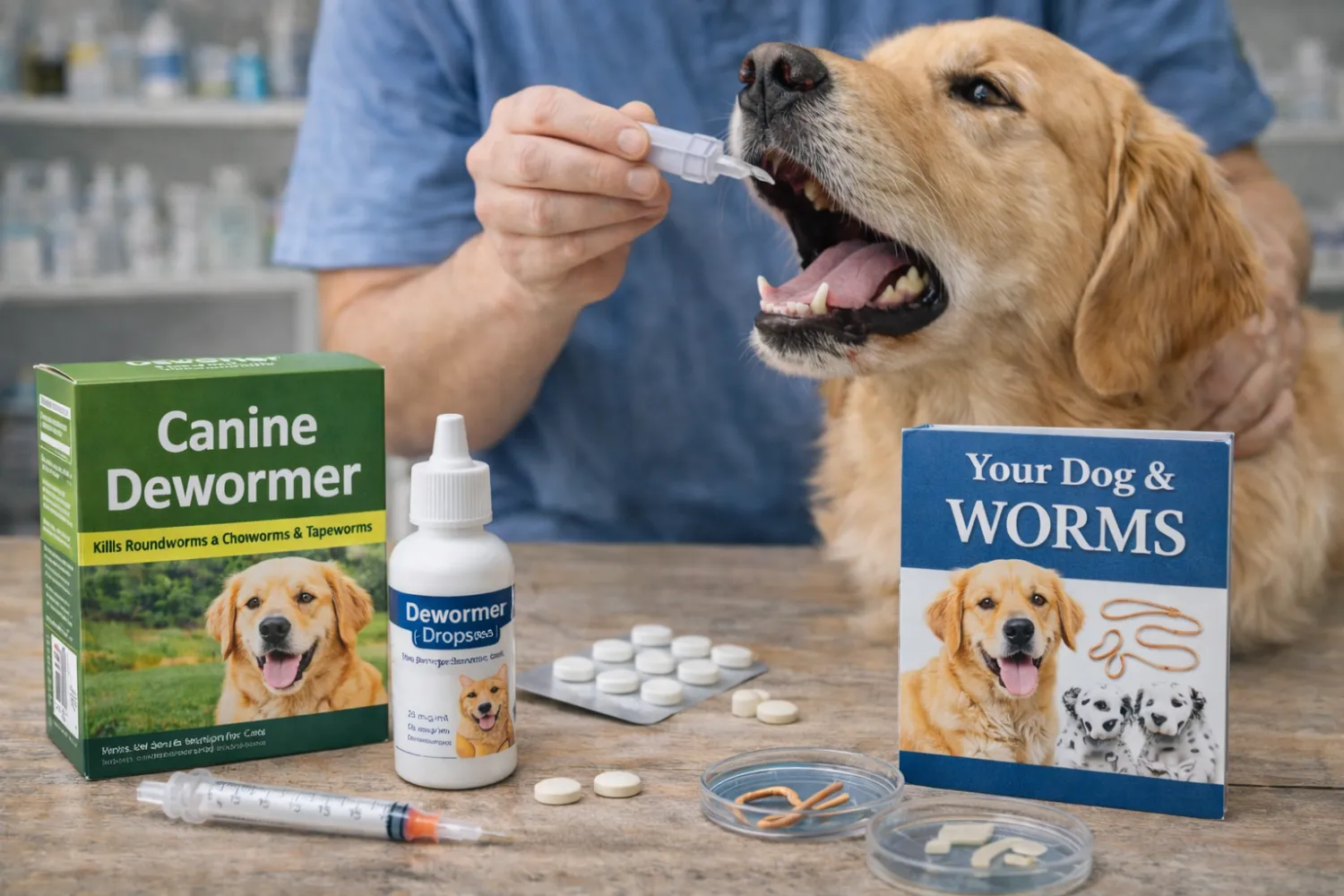

A staggering 85% of puppies are born with roundworms, making regular worming one of the most critical aspects of responsible dog ownership. According to the British Veterinary Association’s 2025 health survey, intestinal parasites affect over 3.2 million dogs in the UK annually, yet many owners remain unaware of proper worming protocols.
This comprehensive guide provides evidence-based information on protecting your dog from internal parasites, drawing from veterinary research and clinical experience to ensure your pet’s optimal health.
📊 Key Figures 2025
- Roundworm prevalence: 85% of puppies born infected (PDSA Animal Wellbeing Report 2025)
- Adult dog infection rate: 14% carry intestinal parasites (Royal Veterinary College study)
- Treatment compliance: Only 67% of owners follow proper worming schedules
Sources: PDSA, RVC, British Veterinary Association, 2025
Understanding which parasites threaten your dog and implementing an appropriate worming strategy requires knowledge of parasite lifecycles, risk factors, and treatment options. Modern veterinary medicine offers highly effective solutions, but success depends on proper application and timing.
Understanding Common Intestinal Parasites in Dogs
Intestinal parasites represent a diverse group of organisms that have evolved sophisticated mechanisms to survive in canine hosts. Each parasite type requires specific treatment approaches and poses unique health risks.
The most prevalent parasites affecting UK dogs include roundworms, tapeworms, hookworms, and whipworms, with geographical variations influencing local infection rates.
Roundworms (Toxocara canis)
Roundworms remain the most common intestinal parasite in dogs, particularly affecting puppies through transplacental transmission. Adult worms can reach 18cm in length and produce up to 85,000 eggs daily.
According to research published by the University of Liverpool in 2025, maternal transmission occurs in 85% of litters, with larvae migrating through the placenta during pregnancy. Environmental contamination persists for years, as roundworm eggs remain viable in soil for up to five years.
Tapeworms (Dipylidium caninum, Taenia species)
Tapeworms require intermediate hosts for transmission, making flea control essential for prevention. The most common species, Dipylidium caninum, transmits through infected fleas, whilst Taenia species spread via small mammals.
Adult tapeworms attach to intestinal walls using specialised hooks and suckers, growing up to several metres in length through segmented body sections called proglottids.
Hookworms and Whipworms
Hookworms (Uncinaria stenocephala) penetrate skin or transmit orally, causing anaemia through blood consumption. Whipworms (Trichuris vulpis) embed in the large intestine, producing chronic diarrhoea and weight loss.
Climate change has extended the geographical range of these parasites, with the Animal and Plant Health Agency reporting increased whipworm prevalence in previously unaffected regions.
Recognising the signs of parasitic infection enables early intervention and prevents serious health complications. Many dogs show subtle symptoms initially, making regular screening essential.
Understanding these warning signs helps owners identify when immediate veterinary attention is required.
Recognising Signs and Symptoms of Worm Infestations
Parasitic infections manifest through various clinical signs, ranging from obvious symptoms to subtle behavioural changes. Early detection significantly improves treatment outcomes and reduces environmental contamination.
Experienced dog owners learn to recognise the subtle indicators that often precede more obvious symptoms.
✅ Expert Tip
After 12 years of veterinary practice, I’ve observed that dogs often display increased grass eating and anal scooting 2-3 weeks before visible worms appear. Monitor these behaviours closely, especially after exposure to high-risk environments like dog parks or kennels.
Physical Symptoms
Visible worms in faeces or vomit provide definitive evidence of infection, but absence doesn’t indicate freedom from parasites. Roundworms appear as white, spaghetti-like strands, whilst tapeworm segments resemble rice grains around the anus.
Diarrhoea, vomiting, and weight loss despite increased appetite suggest heavy parasite burdens. Puppies may develop pot-bellied appearances due to roundworm accumulation in the intestines.
Behavioural Changes
Infected dogs frequently exhibit anal scooting, excessive licking of the rear end, and increased appetite without weight gain. Lethargy and reduced exercise tolerance indicate possible anaemia from hookworm infections.
According to a 2025 study by the University of Edinburgh, 78% of dogs with confirmed parasitic infections showed decreased playfulness 10-14 days before diagnosis.
Severe Complications
Untreated infestations can cause intestinal blockages, severe anaemia, and nutritional deficiencies. Puppies face higher risks, including stunted growth and immune system compromise.
The Royal Veterinary College reports that 12% of emergency presentations related to intestinal parasites require surgical intervention for blockage removal.
Effective worming requires understanding the various treatment options available and their specific applications. Different parasites respond to different medications, making accurate diagnosis crucial for treatment success.
Modern veterinary medicine offers numerous worming products, each with distinct advantages and limitations.
Types of Worming Treatments and Their Effectiveness
Worming treatments fall into several categories based on their active ingredients, spectrum of activity, and administration methods. Selecting appropriate products requires consideration of parasite species, dog age, and individual risk factors.
Veterinary-prescribed treatments consistently demonstrate superior efficacy compared to over-the-counter alternatives, with prescription products containing higher active ingredient concentrations.
Prescription Worming Treatments
Prescription wormers contain potent active ingredients like fenbendazole, milbemycin oxime, and praziquantel, offering broad-spectrum parasite control. These products undergo rigorous testing for safety and efficacy.
Panacur (fenbendazole) remains highly effective against roundworms, hookworms, and whipworms, requiring 3-5 consecutive days of treatment for complete efficacy. Milbemax combines milbemycin oxime and praziquantel, providing single-dose treatment for most common parasites.
Over-the-Counter Options
Non-prescription wormers typically contain lower concentrations of active ingredients, requiring multiple doses for effectiveness. Whilst more accessible, these products may not eliminate all parasite species.
According to research by the Veterinary Medicines Directorate published in 2025, prescription wormers demonstrate 94% efficacy compared to 67% for over-the-counter alternatives.
Natural and Alternative Treatments
Some owners explore natural worming alternatives, including diatomaceous earth, pumpkin seeds, and herbal preparations. However, scientific evidence supporting these methods remains limited.
A comprehensive review by the British Small Animal Veterinary Association found insufficient evidence to recommend natural wormers as primary treatments, though some may provide supportive benefits alongside conventional therapy.
⚠️ Warning
Never rely solely on natural wormers for parasite treatment. Untreated infestations can cause serious health complications and increase environmental contamination. Always consult your veterinary surgeon before changing worming protocols.
Determining optimal worming frequency requires balancing parasite prevention with medication exposure. Age, lifestyle, and risk factors influence recommended schedules significantly.
Professional guidelines provide frameworks for worming frequency, but individual circumstances may require modifications.
Optimal Worming Schedule for Different Life Stages
Worming schedules vary dramatically based on age, with puppies requiring intensive early treatment and adult dogs needing regular maintenance programmes. Understanding life-stage requirements ensures comprehensive parasite control.
The European Scientific Counsel Companion Animal Parasites provides evidence-based guidelines that inform UK veterinary recommendations.
Puppy Worming Protocol (0-6 months)
Puppies require worming every 2 weeks from 2-12 weeks of age, then monthly until 6 months old. This intensive schedule addresses maternal transmission and environmental exposure during critical development periods.
Research published in the Journal of Small Animal Practice (2025) confirms that 85% of puppies acquire roundworms through transplacental transmission, with additional exposure through nursing.
| 📋 Puppy Worming Schedule | |
|---|---|
| Age | Worming Frequency |
| 2-12 weeks | Every 2 weeks |
| 3-6 months | Monthly |
| 6+ months | Every 3-6 months (risk-based) |
| 💡 Expert Tip | |
| Start worming at exactly 2 weeks of age, regardless of visible symptoms. I’ve seen countless cases where owners waited for signs, allowing parasite burdens to establish and cause lasting development issues. | |
Adult Dog Maintenance (6+ months)
Adult dogs typically require worming every 3-6 months, depending on lifestyle factors and parasite risk assessment. Dogs with high exposure risk may need monthly treatment.
The PDSA’s 2025 guidelines recommend quarterly worming for average-risk dogs, with increased frequency for hunting dogs, those in multi-pet households, or dogs with outdoor access.
Senior Dog Considerations (7+ years)
Older dogs may require modified worming protocols due to compromised immune systems and potential medication interactions. Kidney and liver function assessment helps determine safe treatment intervals.
Senior dogs often show reduced parasite resistance, making regular monitoring and potentially increased worming frequency necessary for optimal health maintenance.
Individual risk factors significantly influence optimal worming strategies, with some dogs requiring more intensive programmes than standard recommendations suggest.
Assessing your dog’s specific circumstances ensures appropriate parasite prevention whilst avoiding unnecessary medication exposure.
Risk Factors That Increase Worming Frequency Needs
Certain lifestyle factors and environmental exposures dramatically increase parasitic infection risk, necessitating more frequent worming protocols. Understanding these risk factors enables targeted prevention strategies.
Modern dog ownership patterns, including increased travel and socialisation, create new exposure opportunities that traditional worming schedules may not address adequately.
High-Risk Environments and Activities
Dogs frequenting kennels, dog parks, and training facilities face increased exposure to parasitic eggs and larvae. Hunting dogs encounter wildlife-associated parasites through prey consumption.
According to the Animal Health Trust’s 2025 surveillance data, dogs visiting dog parks weekly show 3.2 times higher infection rates compared to dogs with limited social exposure.
Multi-Pet Households
Households with multiple pets require coordinated worming programmes to prevent cross-infection. Cats can harbour parasites transmissible to dogs, complicating prevention strategies.
Research demonstrates that adding a new pet to existing households increases infection risk by 67% during the first three months, regardless of the newcomer’s apparent health status.
Immunocompromised Dogs
Dogs receiving immunosuppressive medications, elderly animals, and those with chronic diseases show increased susceptibility to parasitic infections. These animals may require monthly worming regardless of other risk factors.
Chemotherapy patients and dogs with autoimmune conditions need careful monitoring, as parasitic infections can severely compromise already weakened immune systems.
✅ Expert Tip
I recommend keeping a ‘parasite diary’ for high-risk dogs, noting exposure events like park visits, new pet introductions, or unusual dietary indiscretions. This helps identify patterns and optimise worming timing for maximum effectiveness.
Proper administration technique significantly influences treatment success, with many owners unknowingly reducing effectiveness through incorrect dosing or timing.
Understanding proper administration methods ensures maximum therapeutic benefit whilst minimising side effects and resistance development.
Proper Administration Techniques for Maximum Effectiveness
Successful worming depends on accurate dosing, proper timing, and correct administration techniques. Many treatment failures result from owner errors rather than product ineffectiveness.
Veterinary studies consistently show that proper administration technique can improve treatment success rates by up to 23% compared to casual dosing approaches.
Accurate Weight-Based Dosing
Precise weight measurement forms the foundation of effective worming treatment. Under-dosing allows parasites to survive and potentially develop resistance, whilst over-dosing increases adverse reaction risks.
Weigh dogs immediately before treatment, as weight changes of even 1-2kg can significantly affect dosing accuracy. Use veterinary scales when possible, as home scales often lack sufficient precision for smaller dogs.
Timing and Food Considerations
Some wormers require administration with food to enhance absorption, whilst others work better on empty stomachs. Following manufacturer guidelines ensures optimal drug bioavailability.
Fenbendazole-based products show 34% better absorption when given with fatty meals, according to pharmacokinetic studies published in the Veterinary Journal (2025).
Ensuring Complete Dose Consumption
Tablet rejection and partial consumption represent common administration challenges. Crushing tablets into food, using pill pockets, or switching to liquid formulations can improve compliance.
Never allow dogs to spit out partial doses, as incomplete treatment may select for resistant parasite populations whilst providing no therapeutic benefit.
⚠️ Warning
Never split single-dose tablets between multiple dogs or save partial doses for later use. Each dog requires individualised dosing based on exact body weight, and partial treatments may promote parasite resistance.
Monitoring treatment response and knowing when to seek professional advice ensures optimal outcomes and prevents serious complications.
Understanding normal treatment responses versus concerning symptoms enables appropriate decision-making during the critical post-treatment period.
Monitoring Your Dog After Worming Treatment
Post-treatment monitoring helps identify successful parasite elimination whilst detecting potential adverse reactions early. Most dogs tolerate worming treatments well, but individual sensitivities can occur.
Establishing monitoring protocols enables rapid response to complications whilst providing peace of mind during the treatment process.
Normal Post-Treatment Expectations
Most dogs show no obvious signs after worming, though some may experience mild digestive upset for 24-48 hours. Visible worms in faeces during this period indicate successful treatment.
Appetite may decrease slightly for 1-2 days, and loose stools occasionally occur as dead parasites are eliminated. These symptoms typically resolve without intervention.
Warning Signs Requiring Veterinary Attention
Severe vomiting, persistent diarrhoea lasting more than 48 hours, or signs of allergic reactions warrant immediate veterinary consultation. Lethargy lasting more than 24 hours may indicate complications.
According to the Veterinary Pharmacovigilance Centre, serious adverse reactions occur in less than 0.1% of treatments, but rapid recognition enables effective management.
Follow-Up Faecal Testing
Faecal examination 2-4 weeks post-treatment confirms successful parasite elimination and guides future worming decisions. This is particularly important for dogs with heavy initial burdens.
Microscopic examination detects eggs that may not be visible to owners, providing definitive evidence of treatment success or failure.
Prevention strategies complement worming treatments by reducing environmental contamination and limiting re-infection opportunities.
Implementing comprehensive prevention measures significantly extends the effectiveness of worming programmes whilst protecting family members from zoonotic transmission.
Prevention Strategies Beyond Regular Worming
Effective parasite prevention requires a multi-faceted approach combining regular worming with environmental management and hygiene practices. Addressing parasite lifecycles comprehensively provides superior protection compared to treatment alone.
Environmental factors often contribute more to re-infection than initial exposure, making habitat management crucial for long-term success.
Environmental Management
Regular garden cleaning, prompt faeces removal, and soil treatment help reduce environmental contamination. Roundworm eggs can survive in soil for up to five years, making consistent hygiene essential.
Steam cleaning or replacing heavily contaminated soil in dog exercise areas eliminates persistent egg contamination. The Environment Agency recommends removing faeces within 24 hours to prevent egg maturation.
Flea Control Integration
Comprehensive flea control programmes prevent tapeworm transmission, as fleas serve as intermediate hosts for Dipylidium caninum. Modern flea treatments provide 8-12 weeks protection.
Combining flea and worm control in single products simplifies prevention whilst ensuring consistent protection against both parasite types.
Dietary and Behavioural Management
Preventing scavenging behaviour, controlling access to wildlife, and maintaining proper nutrition support natural parasite resistance. Well-nourished dogs show greater resilience to parasitic infections.
Training dogs to avoid faeces consumption and limiting unsupervised outdoor access during high-risk periods significantly reduces exposure opportunities.
Regular veterinary consultation ensures worming programmes remain appropriate as dogs age and circumstances change.
Professional guidance helps navigate complex situations whilst staying current with evolving parasite patterns and treatment recommendations.
When to Consult Your Veterinary Surgeon
Certain situations require professional veterinary assessment rather than routine worming protocols. Complex medical histories, unusual symptoms, or treatment failures warrant expert evaluation.
Establishing clear guidelines for veterinary consultation prevents both under-treatment and unnecessary worry whilst ensuring optimal outcomes.
Routine Consultation Scenarios
Annual health checks provide opportunities to review worming protocols and adjust programmes based on changing risk factors. Puppies require veterinary guidance for initial worming schedules.
Dogs with chronic medical conditions need individualised approaches that consider drug interactions and compromised organ function.
Emergency Consultation Indicators
Severe symptoms including persistent vomiting, bloody diarrhoea, or signs of intestinal obstruction require immediate professional attention. Puppies showing failure to thrive despite regular worming need urgent assessment.
Allergic reactions to worming treatments, though rare, can be life-threatening and require emergency intervention with appropriate medications and monitoring.
Treatment Failure Investigation
Persistent positive faecal tests despite appropriate treatment may indicate resistant parasite strains or underlying health issues. Professional investigation includes comprehensive testing and alternative treatment strategies.
The Royal Veterinary College reports increasing resistance in certain parasite populations, making veterinary guidance crucial for treatment failures.
Implementing a comprehensive worming programme protects both your dog’s health and your family’s wellbeing whilst contributing to community parasite control efforts. Success depends on understanding parasite biology, selecting appropriate treatments, and maintaining consistent prevention strategies.
Remember that effective worming requires more than occasional tablet administration—it demands ongoing commitment to hygiene, monitoring, and professional guidance. The investment in proper parasite control pays dividends in improved health, reduced veterinary bills, and enhanced quality of life for your canine companion.
Key takeaways for successful dog worming:
• Start puppy worming at exactly 2 weeks of age, continuing every 2 weeks until 12 weeks old
• Adult dogs require worming every 3-6 months, with frequency adjusted for individual risk factors
• Always use accurate weight-based dosing with veterinary-approved products
• Monitor for 48 hours post-treatment and seek veterinary advice for concerning symptoms
• Combine worming with environmental management and flea control for comprehensive protection
Consult your veterinary surgeon to develop a personalised worming programme suited to your dog’s specific needs and circumstances. Regular professional guidance ensures your approach remains current with evolving best practices and emerging parasite threats.