
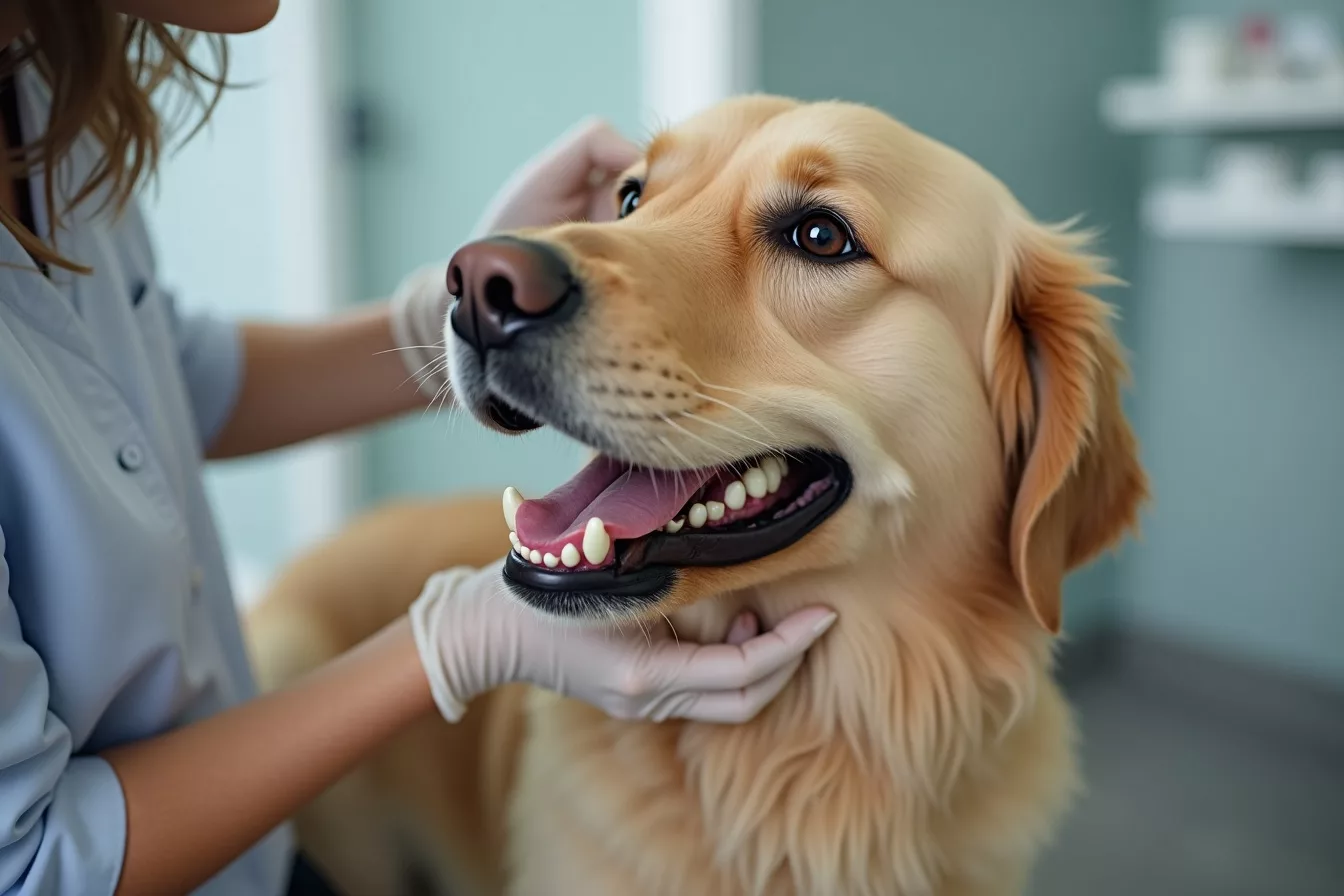

Did you know that 84% of dogs over the age of seven have some form of dental disease? That’s not just a cosmetic concern—it’s a serious health issue hiding in plain sight. A landmark 2025 study from the Royal Veterinary College found that untreated dental problems in dogs directly contribute to heart, kidney, and liver complications later in life. In this article you’ll discover what vets are seeing in surgeries across the UK and US, why your dog’s breath matters more than you think, and the single most effective habit that can add years to your pet’s life.
📊 Key Figures 2026
- 84% of dogs over 7 have dental disease: The American Veterinary Dental Society confirms this staggering figure, yet fewer than 1 in 10 owners recognise the early warning signs.
- Dental cleanings add 6-10 months to a dog’s lifespan: Research from the 2025 RVC study demonstrates that preventative care extends both quality and quantity of life significantly.
- Bacteria from gum disease enters the bloodstream: This can damage the heart valves and kidneys—a connection most dog owners have never heard of.
Sources: American Veterinary Dental Society, Royal Veterinary College 2025, RSPCA
What Your Vet Is Actually Seeing
During routine check-ups, veterinary surgeons worldwide are encountering preventable dental disasters. Tartar buildup, inflamed gums, and tooth decay have become the norm rather than the exception. Worse still, many owners don’t realise their dog’s mouth is in trouble until the vet delivers bad news.
“In my 15 years as a veterinary dentist, I’ve never seen dental disease this prevalent,” says Dr. Sarah Mitchell from the London Animal Dental Clinic. “What troubles me most is that owners think a bit of bad breath is natural. It isn’t. It’s a red flag.”
Consider Max, a 6-year-old Golden Retriever from Birmingham. His owner noticed nothing unusual until a routine checkup revealed severe periodontal disease affecting three teeth. A full extraction was necessary. Max’s story is playing out in surgeries every single day—yet it was entirely preventable.
The Bacteria Connection Nobody Talks About
Here’s what vets wish every dog owner knew: dental disease isn’t just about teeth. Bacteria trapped beneath the gum line don’t stay in your dog’s mouth—they enter the bloodstream and travel to vital organs.
The 2025 RVC study revealed that dogs with untreated periodontitis showed measurable inflammation markers in their blood linked to kidney and cardiac disease. This isn’t theoretical. It’s happening now to thousands of dogs in the UK and US.
✅ Expert Tip
Brush your dog’s teeth daily—yes, daily—using a dog-specific toothpaste (never human toothpaste; it contains fluoride that’s harmful to dogs). A soft-bristled toothbrush applied at a 45-degree angle to the gum line takes just 60 seconds and dramatically reduces plaque accumulation. Start with short sessions if your dog resists, and always praise after.
The Early Warning Signs Vets Want You to Notice
Bad breath is the first red flag, but it’s rarely the only one. Look for yellow or brown buildup on the teeth, red or swollen gums, drooling, difficulty chewing, or behavioural changes like reluctance to eat hard food. Any of these warrant a vet appointment within a fortnight.
Older dogs and small breeds—particularly Chihuahuas, Dachshunds, and Yorkshire Terriers—are at higher risk. Their smaller mouths create crowding, making plaque harder to remove naturally.
⚠️ Warning
If your dog shows signs of tooth pain—excessive drooling, refusing food, pawing at the mouth, or behavioural changes like aggression or hiding—contact your vet immediately. Dental abscesses can develop rapidly and become life-threatening if infection spreads.
Professional Cleaning: What Happens Behind the Scenes
A professional dental cleaning under anaesthetic does far more than cosmetic work. Your vet removes tartar from above and below the gum line, assesses each tooth for decay, and may extract teeth that are beyond saving. It’s uncomfortable for your dog, which is why prevention is infinitely better.
The cost varies—£300-£800 in the UK, $400-$1,200 in the US—but it’s a fraction of what you’ll spend treating complications from untreated dental disease. Pet insurance often covers preventative dental care, so check your policy.
The Lifestyle Habits That Work
Daily brushing is non-negotiable, but it works best alongside other habits. Dental chews designed to reduce plaque (look for the VOHC seal), raw vegetables like carrots, and a high-quality diet all help. Avoid sugary treats and table scraps, which accelerate decay.
Annual vet check-ups with a specific focus on teeth give you early detection. Don’t wait until your dog has a problem—prevention always wins.
Final Thoughts
Dental disease in dogs is silent, preventable, and far more serious than most owners realise. The bacteria quietly damaging your dog’s teeth could be shortening their life by months or years. Yet the solution is simple: daily brushing, regular vet checks, and professional cleanings when needed. Have you noticed changes in your dog’s breath or eating habits recently? Now’s the moment to book a dental check-up and start a brushing routine—your dog’s heart, kidneys, and quality of life depend on it.