
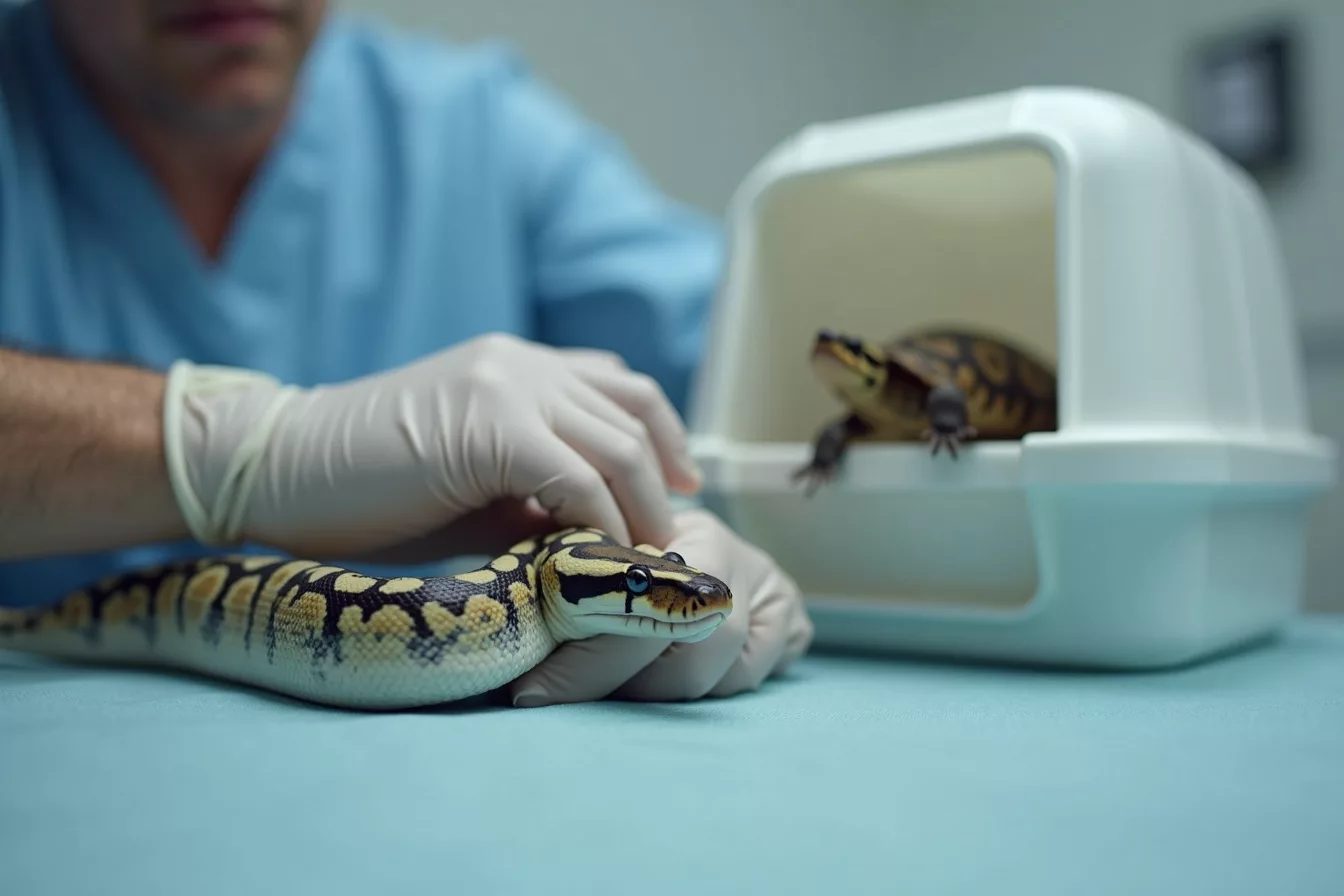

A startling surge in exotic pet ownership across the UK has left local authorities scrambling to cope with abandoned tarantulas, escaped iguanas, and unwanted ball pythons. A recent survey by the British Veterinary Association (BVA) in January 2025 revealed that exotic animal rescues have jumped by 47% since 2023, with councils reporting they’re ill-equipped to handle the fallout. In this article you’ll discover why vets are sounding the alarm, which exotic pets are causing the biggest problems, and what you need to know before bringing an unusual animal home. Most importantly, we’ll reveal the shocking truth about why so many exotic pets end up abandoned within the first year.
The trend is driven by social media influence and the glamorisation of reptiles and small mammals on platforms like TikTok and Instagram. Pet shops and online retailers have capitalised on the demand, often selling animals without adequate buyer vetting or care guidance. However, the reality of exotic pet ownership is far messier than the curated videos suggest.
📊 Key Figures 2025
- 47% increase in exotic animal rescues: The BVA reported a near-doubling of council calls regarding abandoned exotic pets since 2023, with the highest spike in January-March 2025.
- 73% of exotic pet owners lack proper housing: RSPCA inspectors found that nearly three-quarters of seized exotic animals were kept in inadequate enclosures, according to their December 2024 survey.
- Ball pythons, bearded dragons, and corn snakes account for 62% of all exotic surrenders to UK rescue centres, PDSA data shows.
Sources: British Veterinary Association (2025), RSPCA (2024), PDSA Rescue Network (2025)
The problem isn’t just about numbers—it’s about animal welfare. Exotic pets require highly specialised care: precise temperature gradients, specific diets, and expert veterinary knowledge that most casual owners simply don’t possess. When the novelty wears off, these animals pay the price.
A telling case emerged in December 2024 when Sasha, a 4-year-old red-tailed boa constrictor from Manchester, was discovered severely malnourished in a cramped vivarium. Her owner, who’d purchased her impulsively online, admitted she didn’t realise boas needed live or pre-killed prey and couldn’t afford the £80-per-month feeding costs. Sasha is now recovering at a specialist reptile sanctuary.
✅ Expert Tip
Before adopting any exotic pet, contact a specialist veterinary clinic and ask three critical questions: (1) What’s the 20-year commitment cost? (2) Will you provide emergency care at 2 a.m.? (3) What’s your rehoming policy if I can’t cope? Only proceed if all answers align with your lifestyle. The Royal Veterinary College recommends a minimum 3-month research period before purchase.
The BVA has called for stricter regulation of exotic pet sales, including mandatory buyer training and a cooling-off period before purchase. Currently, unlike other EU nations, the UK has no licensing requirement for selling most exotic species to the public.
Local councils are bearing the financial brunt. Oxford City Council reported spending £12,000 in 2024 alone on housing and care for seized exotic animals—money that could have gone towards social services. Many councils lack staff trained to handle dangerous species safely, creating additional risk.
⚠️ Warning
Never release an exotic pet into the wild, no matter how well-intentioned. Escaped ball pythons and red-eared terrapins are now breeding in UK waterways, threatening native species. If you can no longer care for an exotic animal, contact your local RSPCA branch or a specialist rescue centre immediately. The PDSA Animal Hospital finder can point you towards facilities equipped for exotic species.
Interestingly, adoption of exotic pets from rescue centres is rising too—though still a fraction of new purchases. The Cheltenham Zoo’s rehoming programme has successfully placed 34 reptiles and small mammals since autumn 2024, with adoption fees ranging from £40 to £150. These animals come with behavioural assessments and ongoing support, making rescue adoption genuinely safer for both pet and owner.
The exotic pet boom reflects our desire to stand out and connect with nature in unconventional ways. Yet responsibility must come before Instagram aesthetics. The animals—wild creatures adapted to rainforests, deserts, and savannas—deserve nothing less than expert care or freedom. Have you considered adopting from a specialist rescue instead of buying new? Your next step: visit the RSPCA’s exotic pet section online, or contact a local reptile rescue to learn what genuine exotic pet ownership demands.