
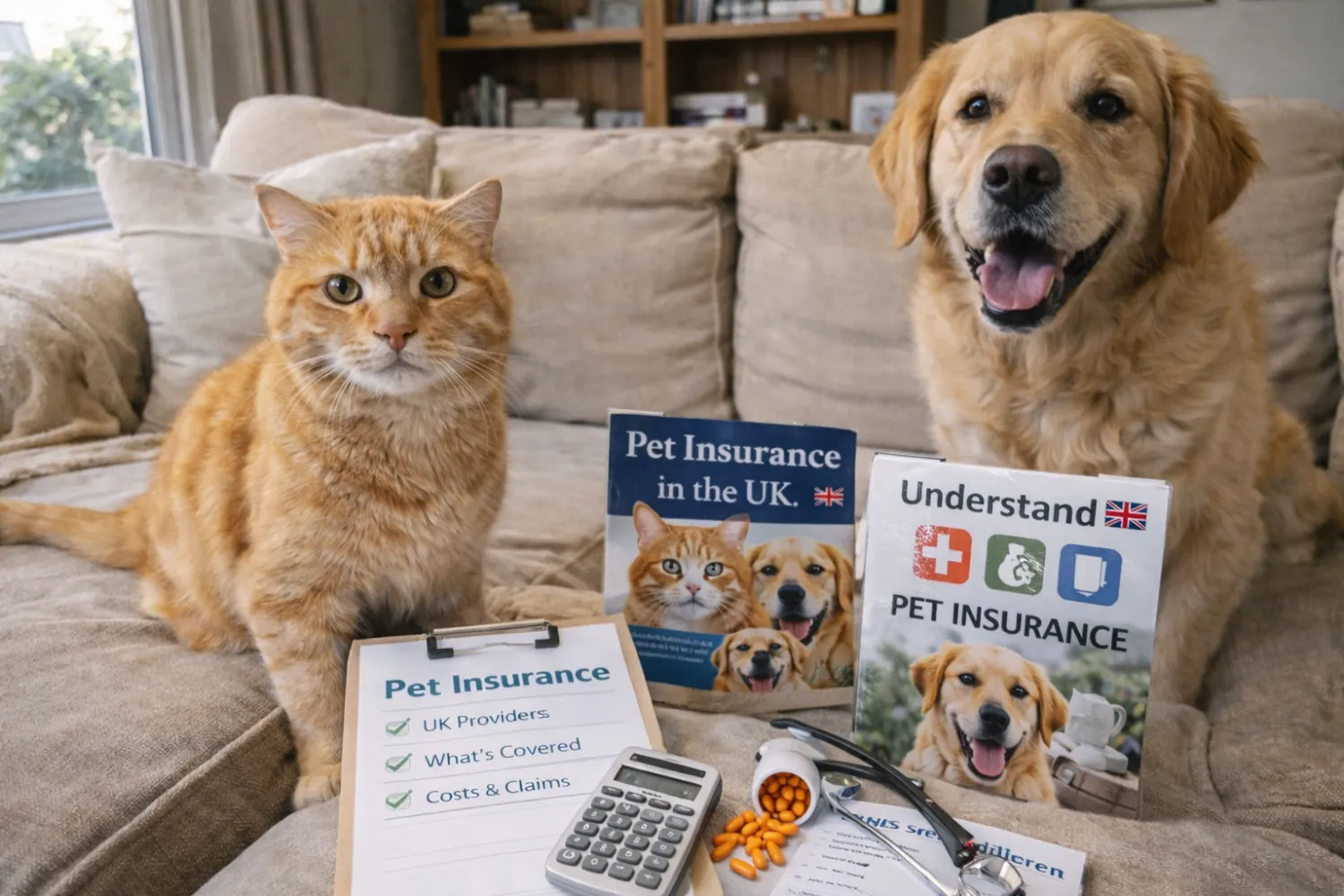

Pet insurance claims in the UK reached a staggering £1.2 billion in 2024, representing a 15% increase from the previous year according to the Association of British Insurers. With veterinary costs continuing to rise and advanced treatments becoming more accessible, understanding pet insurance has never been more crucial for UK pet owners.
As someone who has witnessed countless pet emergencies over my decade-long career in veterinary care and animal behaviour, I’ve seen how proper insurance coverage can mean the difference between life-saving treatment and heartbreaking financial decisions.
📊 Key Figures 2025
- Average annual premium: £436 for dogs, £285 for cats (ABI, 2024)
- Claim frequency: 1 in 3 pets will require emergency treatment annually
- Most expensive claims: Cancer treatments averaging £8,500, cruciate ligament repairs £4,200
Sources: Association of British Insurers, PDSA Animal Wellbeing Report, 2024
The pet insurance landscape in the UK has evolved significantly, offering various coverage levels and policy types. Understanding these options ensures you make informed decisions that protect both your pet’s health and your financial wellbeing.
Let’s explore the essential aspects of pet insurance that every responsible pet owner should understand.
Types of Pet Insurance Policies Available in the UK
Pet insurance policies in the UK fall into four main categories, each offering different levels of coverage and financial protection. The type you choose will significantly impact both your premiums and the extent of coverage during your pet’s lifetime.
Understanding these distinctions is crucial before committing to any policy, as switching providers later can leave pre-existing conditions uncovered.
Accident Only Coverage
Accident only policies represent the most basic and affordable option, typically costing between £80-150 annually for cats and £120-200 for dogs. These policies cover injuries resulting from accidents such as road traffic incidents, falls, or ingestion of foreign objects.
However, they exclude all illness-related treatments, making them unsuitable for comprehensive healthcare protection. According to PDSA’s 2024 report, accident only policies account for just 12% of UK pet insurance purchases.
Time Limited Policies
Time limited policies provide coverage for both accidents and illnesses but restrict claims to 12 months from the first treatment date. Once this period expires, the condition becomes permanently excluded.
These policies typically offer annual limits between £1,000-8,000 per condition. Whilst affordable initially, they can leave pet owners financially vulnerable for chronic conditions requiring long-term management.
Maximum Benefit Policies
Maximum benefit policies set a lifetime limit per condition rather than annual restrictions. For example, a policy might provide £5,000 lifetime coverage for diabetes management.
Once this limit is reached through claims, the condition becomes permanently excluded. These policies offer better value for acute conditions but can fall short for expensive chronic diseases like cancer or orthopaedic problems.
Lifetime Policies
Lifetime policies represent the gold standard of pet insurance, providing annual limits that refresh each policy year. This means conditions diagnosed early in your pet’s life remain covered throughout their lifetime, provided you maintain continuous coverage.
Premium costs typically range from £200-600 annually for cats and £300-1,200 for dogs, depending on breed, age, and coverage limits.
✅ Expert Tip
After reviewing hundreds of insurance claims, I strongly recommend lifetime policies for any pet owner serious about comprehensive healthcare. I’ve seen too many cases where time-limited policies left owners facing £3,000+ annual bills for managing diabetes or arthritis after the initial 12-month coverage expired.
Now that we’ve covered policy types, it’s equally important to understand what factors influence your premium costs and how insurers assess risk.
Factors Affecting Pet Insurance Premiums in 2025
Insurance premiums vary dramatically based on numerous risk factors that insurers carefully evaluate. Understanding these variables helps you anticipate costs and potentially reduce premiums through strategic decisions.
Recent data from the Financial Conduct Authority shows premium calculations have become increasingly sophisticated, with some insurers using over 50 different risk factors.
Breed-Specific Risk Factors
Certain breeds face significantly higher premiums due to genetic predispositions to specific health conditions. French Bulldogs, for instance, can cost 300% more to insure than mixed breeds due to breathing difficulties, spinal problems, and eye conditions.
According to Royal Veterinary College research published in 2024, brachycephalic breeds (flat-faced dogs) account for 35% of respiratory-related insurance claims despite representing only 15% of the UK dog population. German Shepherds face higher premiums due to hip dysplasia risks, whilst Maine Coon cats often cost more due to hypertrophic cardiomyopathy predisposition.
Age and Premium Escalation
Age represents the most significant factor in premium calculations. Most insurers apply annual increases of 15-25% once pets reach seven years old.
A lifetime policy costing £300 annually for a two-year-old Golden Retriever might reach £800+ by age ten. Some insurers now offer ‘fixed for life’ premiums, though these typically start 30-40% higher than standard policies.
Geographic Location Impact
Veterinary costs vary significantly across the UK, directly impacting insurance premiums. London pet owners typically pay 25-40% higher premiums than those in Northern England or Wales.
This reflects the higher veterinary fees in metropolitan areas, where specialist consultations can cost £200+ compared to £80-120 in rural practices.
📊 Regional Premium Variations 2025
- London/South East: 35% above national average
- Scotland: 15% above national average
- Northern England: 10% below national average
- Wales: 12% below national average
Sources: Confused.com Pet Insurance Index, GoCompare Analysis, 2024
Beyond premiums, understanding what your policy actually covers—and crucially, what it excludes—ensures you’re never caught off guard when filing claims.
Understanding Policy Coverage and Exclusions
Pet insurance policies contain numerous exclusions and limitations that can significantly impact claim success. Reading the fine print isn’t just advisable—it’s essential for avoiding claim rejections that could cost thousands.
The Financial Ombudsman Service reported a 23% increase in pet insurance complaints during 2024, with most disputes centring around coverage misunderstandings.
Standard Coverage Inclusions
Comprehensive pet insurance typically covers veterinary fees for accidents and illnesses, including diagnostic tests, medications, surgical procedures, and hospitalisation. Most policies also include specialist consultations, physiotherapy, and alternative treatments like acupuncture when veterinary-recommended.
Many insurers now include behavioural therapy coverage, particularly valuable for rescue animals or those with anxiety disorders. Third-party liability coverage protects against damage your pet might cause, with limits typically ranging from £1-6 million.
Common Exclusions to Understand
Pre-existing conditions represent the most significant exclusion category. Any condition showing symptoms or requiring treatment before policy inception remains permanently excluded. This includes hereditary conditions that manifest after coverage begins but were detectable earlier.
Routine preventative care like vaccinations, worming, flea treatments, and dental cleaning typically require separate wellness coverage. Breeding-related costs, cosmetic procedures, and behavioural issues stemming from inadequate training are standard exclusions across all insurers.
Waiting Periods and Their Impact
Most policies impose waiting periods before coverage becomes active. Accident coverage typically begins immediately or within 48 hours, whilst illness coverage requires 14-30 day waiting periods.
Some conditions have extended waiting periods—cruciate ligament problems often require six months, whilst hip dysplasia might need 12 months. These periods prevent opportunistic claims for conditions already developing during policy purchase.
⚠️ Warning
Never assume dental coverage is automatic. According to British Veterinary Association data, dental disease affects 80% of dogs over three years old, yet many standard policies exclude dental treatment unless caused by accident. Dental coverage often requires specific add-ons costing £50-150 annually.
Understanding coverage is just one piece of the puzzle—knowing how to navigate the claims process efficiently can save significant time and stress during already challenging situations.
Claims Process and What to Expect
Filing successful insurance claims requires understanding insurer expectations and maintaining detailed records from day one. Having processed numerous claims alongside pet owners, I’ve identified common pitfalls that can delay or invalidate otherwise legitimate claims.
The average claim processing time in the UK is 7-14 days, though complex cases requiring specialist reports can extend to 4-6 weeks.
Essential Documentation Requirements
Successful claims require comprehensive veterinary records, including detailed clinical notes, diagnostic test results, and treatment plans. Many insurers now demand complete medical histories, not just records related to the specific claim.
Digital copies are increasingly preferred, with many insurers offering mobile apps for claim submission. Keep detailed receipts for all treatments, medications, and travel expenses if covered. Photographs of injuries or conditions can support claims, particularly for skin conditions or mobility issues.
Common Claim Rejection Reasons
According to Insurance Fraud Bureau data from 2024, approximately 15% of pet insurance claims face initial rejection. The most common reasons include insufficient medical evidence, undisclosed pre-existing conditions, and treatment at non-approved facilities.
Late claim submission represents another frequent issue—most insurers require notification within 30 days of treatment. Some conditions require pre-authorisation for expensive procedures, and proceeding without approval can void coverage entirely.
Managing Excess Payments
Excess payments vary significantly between policies, ranging from £50-500 per claim or annually. Some insurers apply percentage-based excess (typically 10-20% of claim value) rather than fixed amounts.
Co-insurance policies require you to pay a percentage of all claims regardless of excess arrangements. Understanding your excess structure prevents bill-shock during claim settlement.
| 📋 Summary: Claim Success Factors | |
|---|---|
| Factor | Requirements |
| Documentation | Complete veterinary records, receipts, diagnostic results |
| Timing | Submit within 30 days of treatment |
| Pre-approval | Required for procedures over £1,000-2,000 |
| Veterinary cooperation | Detailed clinical notes supporting treatment necessity |
| 💡 Expert Tip | |
| Maintain a dedicated folder for all pet health documents from day one. I recommend photographing receipts immediately as thermal printing fades over time, potentially complicating future claims requiring historical evidence. | |
With claims processes understood, let’s examine how to choose the right insurer from the numerous options available in the competitive UK market.
Choosing the Right Pet Insurance Provider
The UK pet insurance market features over 30 active providers, each offering different coverage levels, customer service standards, and claim handling processes. Selecting the right insurer requires evaluating multiple factors beyond just premium costs.
According to Defaqto’s 2024 analysis, only 23% of pet insurance products achieved their highest 5-star rating, highlighting significant quality variations across providers.
Evaluating Financial Stability
Insurer financial strength directly impacts their ability to honour claims, particularly expensive ones. Check credit ratings from agencies like A.M. Best or Standard & Poor’s—ratings below ‘A-‘ warrant careful consideration.
Established insurers like Petplan (part of Allianz) and Direct Line generally offer stronger financial backing than newer market entrants. However, some newer providers offer competitive terms whilst maintaining adequate reserves.
Customer Service and Claims Experience
Customer service quality becomes crucial during stressful claim situations. Trustpilot scores provide insights into real customer experiences, though focus on recent reviews as service quality can change rapidly.
The British Insurance Brokers’ Association reported that 78% of customer complaints relate to claims handling rather than policy terms. Look for providers offering 24/7 claim reporting and dedicated veterinary helplines.
Coverage Flexibility and Add-ons
Modern pet insurance extends beyond basic medical coverage. Many providers now offer wellness packages covering routine care, dental hygiene, and behavioural consultations.
Travel coverage becomes important for pet owners taking holidays abroad—EU pet travel insurance can cost £200-500 separately. Some insurers include boarding kennel fees if you’re hospitalised, death benefits, and even advertising costs for lost pets.
✅ Expert Tip
Request sample policy documents before purchasing and pay particular attention to the ‘General Exclusions’ section. I’ve seen identical-seeming policies differ dramatically in coverage scope. For example, some exclude all cruciate ligament injuries in dogs over certain weights, whilst others provide full coverage regardless of size.
Even with comprehensive coverage, there are strategic ways to reduce premium costs without compromising essential protection.
Cost-Saving Strategies for Pet Insurance
Smart pet owners can significantly reduce insurance costs through strategic approaches that don’t compromise coverage quality. These strategies become particularly valuable as pets age and premiums naturally increase.
Research from MoneySuperMarket indicates that pet owners can save up to 40% annually through careful policy management and provider selection.
Multi-Pet Discounts and Family Policies
Most insurers offer multi-pet discounts ranging from 5-15% when insuring multiple animals. Some providers increase discounts with additional pets—insuring three or more pets might qualify for 20%+ reductions.
Family policies covering all household pets under a single agreement often prove more cost-effective than individual policies. However, ensure that pre-existing conditions in one pet don’t affect coverage for healthy animals.
Annual Payment vs Monthly Premiums
Paying annual premiums typically saves 8-12% compared to monthly instalments due to avoided interest charges. For a £400 annual premium, this represents £30-50 savings.
Some insurers offer additional discounts for annual payment, bringing total savings to 15% or more. However, ensure you can comfortably afford the annual outlay without compromising other financial obligations.
Excess Level Optimisation
Increasing voluntary excess can reduce premiums by 10-25%, but balance savings against potential claim costs. For healthy young pets, higher excess policies might prove economical.
Consider your financial circumstances—a £500 excess saves money if you can manage that payment during emergencies. Percentage-based excess might suit owners of larger, more expensive-to-treat breeds where claim values could be substantial.
Regular Policy Reviews
Annual policy reviews ensure you’re receiving competitive rates and appropriate coverage. The pet insurance market remains highly competitive, with new providers offering attractive switching incentives.
However, switching requires careful consideration of waiting periods and pre-existing condition exclusions. Conditions diagnosed under your current policy become pre-existing when switching, potentially leaving you worse off despite lower premiums.
📊 Cost Reduction Potential
- Multi-pet discount: 10-15% average savings
- Annual payment: 8-12% typical reduction
- Higher excess: 15-25% premium decrease
- Online purchase: 5-8% additional discount
Sources: GoCompare, Compare the Market, industry analysis 2024
Understanding these cost-saving strategies provides a solid foundation, but it’s equally important to recognise common mistakes that can compromise your pet’s coverage when you need it most.
Common Pet Insurance Mistakes to Avoid
Even experienced pet owners can make costly insurance mistakes that compromise coverage when emergencies arise. Learning from these common pitfalls helps ensure your policy provides the protection you expect.
Financial Ombudsman Service data shows that 60% of pet insurance disputes could have been avoided through better policy understanding and more careful application completion.
Inadequate Coverage Limits
Many pet owners underestimate potential veterinary costs, choosing policies with insufficient annual limits. Cancer treatment can easily cost £8,000-15,000, whilst complex orthopaedic surgery might reach £6,000+.
Policies with £2,000-3,000 annual limits might seem adequate but prove insufficient for serious conditions. According to PDSA data, 23% of UK pet owners with insurance still faced significant out-of-pocket expenses due to coverage limits in 2024.
Incomplete Disclosure During Application
Non-disclosure represents the leading cause of claim rejections. Failing to mention previous minor injuries, dietary sensitivities, or brief illnesses can void entire policies. Insurers increasingly request complete veterinary histories and may contact previous practices for verification.
Even seemingly irrelevant conditions might be connected to future claims. A minor limp mentioned in passing during a routine check-up could later be deemed a pre-existing condition if orthopaedic problems develop.
Delaying Insurance Purchase
Many owners wait until after initial veterinary visits before purchasing insurance, inadvertently creating pre-existing conditions. Puppies and kittens should be insured immediately after acquisition, ideally before their first veterinary examination.
Adult rescue animals pose particular challenges as their medical histories might be incomplete. Some insurers offer specific rescue animal policies with modified waiting periods and coverage terms.
Switching Providers Without Consideration
Switching insurers for lower premiums can backfire spectacularly if your pet has developed any health conditions. All diagnosed conditions become pre-existing and excluded under new policies.
This mistake becomes increasingly costly as pets age and develop age-related conditions that would benefit from continued coverage under existing policies.
⚠️ Warning
Never assume that minor conditions won’t matter for future claims. I’ve seen a simple ear infection in a puppy later used to exclude all ear-related claims because the original infection suggested underlying allergies. Always disclose everything, no matter how trivial it seems.
Understanding pet insurance complexities empowers you to make informed decisions that protect your pet’s health while managing financial risks effectively.
Making Informed Pet Insurance Decisions
Navigating the UK pet insurance landscape requires careful consideration of multiple factors, from policy types and coverage limits to insurer financial stability and claims handling processes. The key to successful pet insurance lies in understanding your specific needs and choosing appropriate coverage before problems arise.
Here are the essential steps for securing optimal pet insurance protection:
- Choose lifetime policies for comprehensive long-term coverage that protects against chronic conditions developing throughout your pet’s life
- Ensure adequate coverage limits (minimum £4,000-6,000 annually) to handle serious medical emergencies without compromise
- Purchase coverage immediately upon pet acquisition to avoid pre-existing condition exclusions that could prove costly later
- Maintain detailed health records from day one to support future claims and demonstrate responsible pet ownership
- Review policies annually while considering the implications of switching providers and potential loss of coverage for developing conditions
Remember that pet insurance represents peace of mind rather than just financial protection. Knowing that you can afford the best possible treatment for your beloved companion without compromising your financial security is invaluable.
As veterinary medicine continues advancing and treatment options expand, having comprehensive insurance coverage ensures your pet can benefit from these developments when needed. Consider consulting with your veterinary practice for recommendations on insurance providers they work with regularly—many practices have insights into which insurers process claims efficiently and maintain good communication throughout the treatment process.