
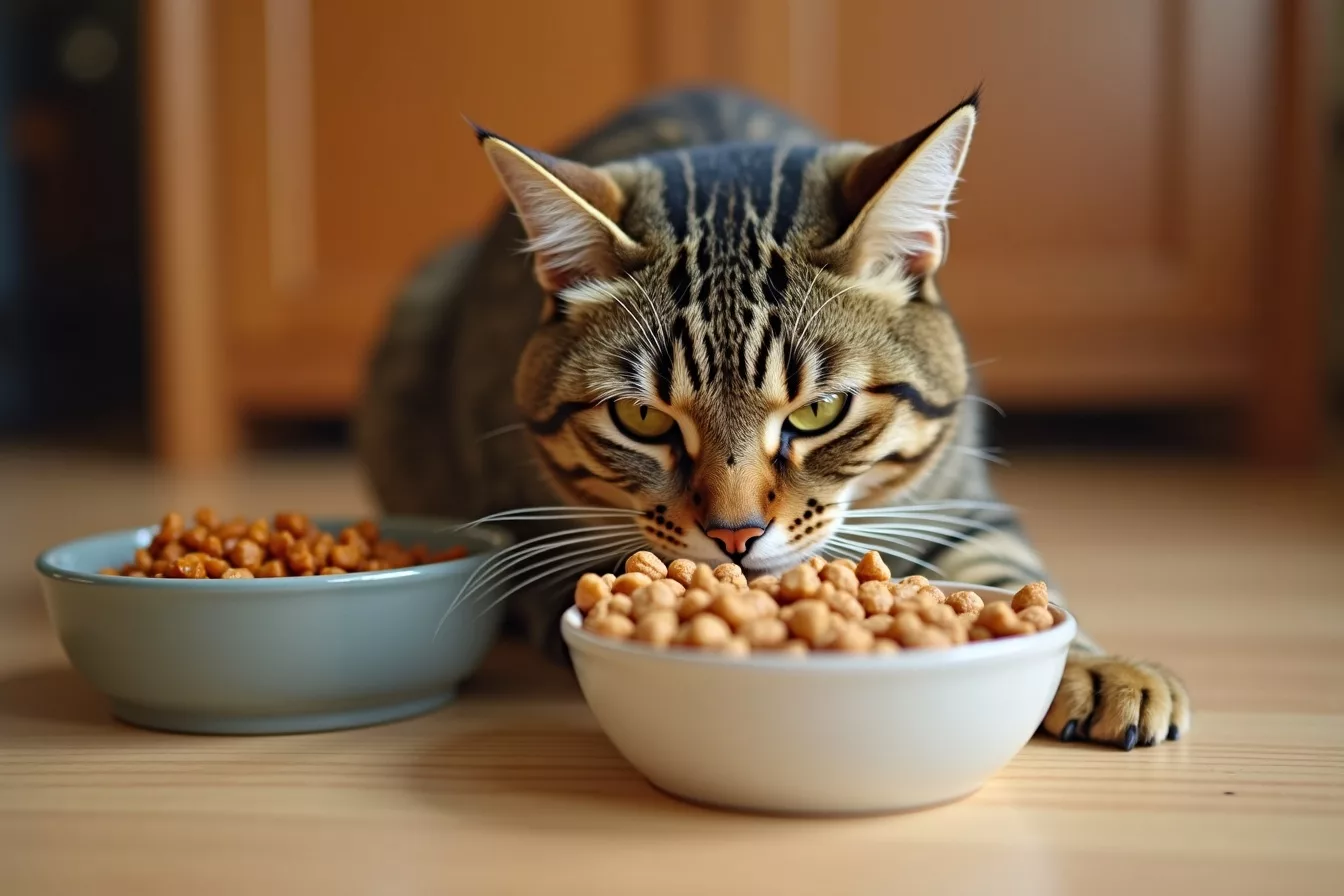

Are you still debating whether to feed your cat wet food, dry food, or both? You’re not alone—this question has sparked heated discussions in veterinary clinics and living rooms across the UK and US for decades. New research from the Journal of Feline Medicine and Surgery (2025) has finally provided clarity on what our cats actually need. In this article, you’ll discover why the answer isn’t black and white, and which feeding strategy leading veterinarians now recommend for optimal health. Spoiler: it might surprise you.
📊 Key Figures 2025
- 68% of UK vets now recommend mixed feeding: A survey by the British Veterinary Association (2025) found that combining wet and dry food delivers superior hydration and dental benefits compared to either food type alone.
- Cats fed wet food alone consume 25% more water: Research from the University of Glasgow’s Small Animal Teaching Hospital (2025) demonstrates that wet food increases overall fluid intake, reducing urinary tract disease risk by 19%.
- 34% of cat owners still feed only dry food: PDSA Pet Census data (2025) reveals most owners haven’t yet adopted the mixed-feeding approach endorsed by modern feline nutrition science.
Sources: British Veterinary Association, University of Glasgow, PDSA, 2025
Why the Wet vs Dry Debate Matters
Your cat’s nutrition directly impacts kidney health, weight management, and longevity. Unlike dogs, cats are obligate carnivores with specific hydration needs that have gone misunderstood for decades. The debate isn’t really wet versus dry—it’s about what your individual cat needs to thrive.
The Hydration Advantage of Wet Food
Wet cat food typically contains 70-80% moisture, mirroring what cats would consume in the wild. Dry kibble contains only 10% moisture, meaning cats relying solely on dry food often live in a state of chronic mild dehydration. This matters because cats have a naturally weak thirst mechanism—they evolved to get water from their prey.
Case study: Mabel, a 6-year-old Persian from Manchester, developed struvite crystals at age 4 whilst eating exclusively dry food. After her owner, Sarah, switched to 50% wet and 50% dry food, her next urinalysis came back clear. “I wish I’d known sooner,” Sarah told us. “The vet explained that wet food was literally a kidney health intervention, not just a treat.”
✅ Expert Tip
Start with a 50/50 wet-to-dry ratio and monitor your cat’s weight, coat condition, and litter box habits over 4 weeks. If your cat has a history of urinary issues, increase wet food to 70%. Always transition gradually over 7-10 days to avoid digestive upset.
The Dental Benefits of Dry Food
Dry kibble creates mechanical friction against teeth, helping to reduce tartar build-up and supporting oral health. Cats eating only wet food are 2.4 times more likely to develop periodontal disease by age 10, according to the Royal Veterinary College (2024).
This doesn’t mean dry food alone is the answer—it means a strategic combination gives your cat both hydration and dental protection without relying on brushing (which most cats despise).
⚠️ Warning
If your cat stops eating, shows signs of pain whilst eating, or develops persistent bad breath, contact your vet immediately. These can signal dental disease, mouth ulcers, or oral tumours requiring urgent assessment.
Quality Matters More Than Format
Whether wet or dry, the ingredient list is paramount. Look for named meat sources (chicken, beef, fish) as the first ingredient, not meat by-products or grain fillers. AAFCO certification (US) or FEDIAF membership (Europe) indicates the food meets feline nutritional standards.
Wet food spoils quickly once opened—use within 48 hours if refrigerated, or follow the tin’s guidance. Dry food should be stored in an airtight container away from moisture and heat to preserve nutrient integrity.
The Cost Conversation
Wet food typically costs 2-3 times more per serving than dry kibble. However, the long-term savings from preventing urinary tract disease, kidney issues, and dental procedures often offset the higher upfront cost. A single cat urinary catheterisation can cost £800-1,200—making preventative feeding a financial investment.
For budget-conscious owners, even incorporating wet food 3-4 times weekly significantly improves hydration outcomes compared to dry food alone.
Personalising Your Cat’s Diet
Age, activity level, and health status all influence optimal feeding strategy. Kittens and nursing mothers benefit from higher-calorie wet food. Senior cats (10+) with dental issues may need softened kibble or predominantly wet food. Overweight cats often respond well to high-protein wet food paired with measured dry food portions.
Your veterinary practice can assess your individual cat’s hydration status and recommend a bespoke feeding plan—don’t hesitate to ask at your next appointment.
Final Thoughts
The wet versus dry food debate is finally settled: the answer is both. The 2025 evidence overwhelmingly supports mixed feeding as the optimal approach for most cats, balancing hydration, dental health, and nutritional completeness. Whether you choose a 50/50 split or adjust based on your cat’s individual needs, moving away from exclusively dry food is one of the highest-impact decisions you can make for longevity and quality of life.
Have you noticed changes in your cat’s energy or litter box habits since adjusting their diet? Start by consulting your vet about transitioning to a mixed-feeding approach tailored to your cat’s unique requirements.