
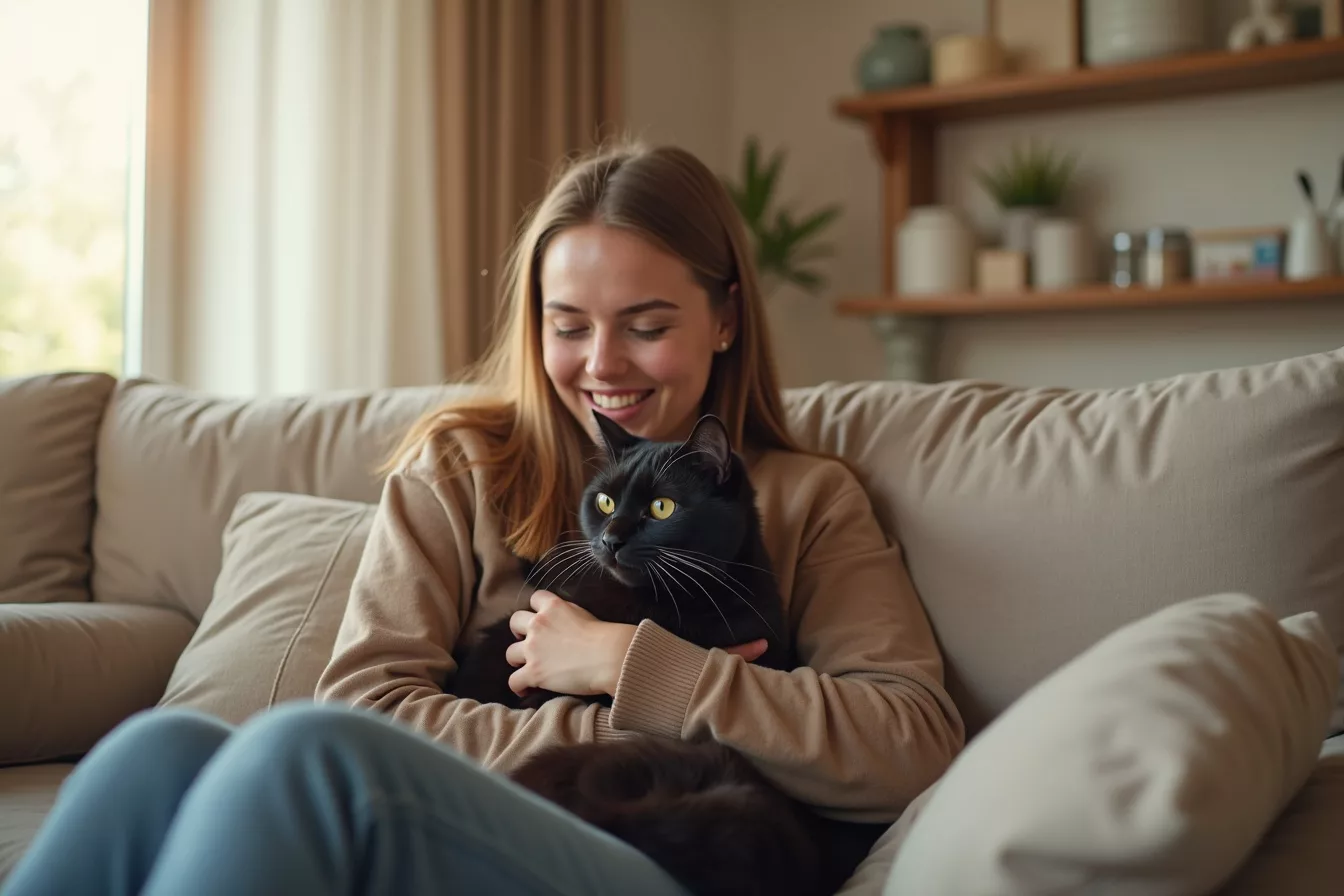

Pet ownership in the UK has reached an all-time high, with new data revealing that households across Britain are welcoming animals into their homes faster than ever before. According to the British Veterinary Association’s 2025 Pet Ownership Survey, over 34 million pets now live in UK households—a 12% surge since 2023. In this article, you’ll discover what’s driving this unprecedented boom and why vets are bracing for impact. Most surprisingly, the fastest-growing segment isn’t dog owners—it’s first-time cat adopters.
📊 Key Figures 2025
- 34 million pets now in UK homes, up from 30.4 million in 2023 (BVA, 2025)
- 47% of UK households own at least one pet, the highest proportion since records began (PDSA Animal Welfare Index)
- Cat adoptions up 23% year-on-year, particularly among under-35s working from home (RSPCA data, 2024-2025)
- Dog ownership stable at 9.9 million, but rescue dog adoptions up 18% (Kennel Club UK)
Sources: British Veterinary Association, PDSA, RSPCA, Kennel Club UK (2024-2025)
The Post-Pandemic Pet Boom Continues
The pandemic sparked a global pet adoption wave, but the UK’s appetite shows no signs of slowing down. Many owners who adopted during lockdown have kept their pets, and new research suggests the trend is accelerating rather than tapering off. The combination of remote work normalisation, cost-of-living awareness (adopting saves thousands vs. buying from breeders), and genuine emotional wellbeing benefits has made pet ownership a priority investment for British households.
“We’re seeing families restructure their budgets to accommodate pets,” explains Dr. Sarah Mitchell from the Royal Veterinary College (RVC). “People view pets as non-negotiable now—like council tax or energy bills.”
Why Cats Are Winning the 2025 Pet Race
The surprise winner of the 2025 surge is the humble domestic cat. Shelters across the UK report record adoption queues, with the RSPCA rehoming over 18,400 cats in the first half of 2025 alone. The appeal is clear: cats suit flexible lifestyles, require less outdoor space than dogs, and fit modern British living (flats, terraced houses, busy schedules).
Young professionals, especially those in London, Manchester, and Edinburgh, are choosing cats over dogs for their independence and lower time commitment. “I work hybrid,” says Emma T., 28, from Bristol, who adopted Pepper, a black domestic shorthair, in February 2025. “A dog needs constant attention, but Pepper’s happy to chill whilst I’m at the office three days a week.”
✅ Expert Tip
If you’re adopting a cat for the first time in 2025, invest in environmental enrichment (cat trees, puzzle feeders, window perches) in your first week. This prevents boredom-related behavioural issues and costs far less than treating stress-related illness later. The RSPCA recommends a minimum of three vertical spaces per cat.
The Cost-of-Living Factor
Despite inflation, UK households are prioritising pet care. The PDSA’s 2025 survey found that 71% of pet owners refused to cut spending on their animals’ food or veterinary care, even when household budgets tightened. This reflects a psychological shift: pets are now seen as family members, not luxury items.
Adoption from rescues (rather than breeders) has become the ethical and financial choice. A rescue cat costs £50-150, whilst a pedigree kitten from a breeder runs £400-1,200. For cash-strapped Gen Z and younger millennials, adoption is a no-brainer.
Vets Sound the Alarm
Behind the feel-good headlines, veterinary practices are overwhelmed. The BVA warns that increased pet ownership is outpacing vet availability, with average appointment wait times now 2-3 weeks in major cities. Rural areas face even longer delays.
⚠️ Warning
If your pet shows signs of illness (vomiting, lethargy, loss of appetite) don’t delay booking a vet appointment hoping for a same-day slot. Call your surgery first thing and ask about emergency clinics if your regular vet is overbooked. In genuine emergencies (trauma, difficulty breathing, suspected poisoning), use out-of-hours services immediately—waiting 3 weeks could be life-threatening.
What This Means for New Pet Owners
The 2025 record boom signals both opportunity and responsibility. If you’re considering joining the 47% of households with pets, ensure you’re prepared: research breed/type suitability, budget for unexpected vet bills (recommended minimum £500-1,000 emergency fund), and book your first vet appointment before bringing your pet home.
The trend also highlights the emotional hunger for connection in modern Britain. Pets provide routine, purpose, and unconditional companionship—luxuries that remote work and digital life sometimes steal away. The numbers don’t lie: pet ownership is no longer a pastime. It’s a lifestyle priority.
Have you noticed more pets in your neighbourhood since 2024? Or are you thinking of joining the record-breaking trend? The RSPCA’s “Find a Pet” portal makes it easier than ever to adopt—start there today.