

Did you know that 73% of cat owners report finding dead prey left on their doorstep or bed? A 2025 study published by the Royal Veterinary College revealed that this behaviour isn’t a sign of aggression—it’s actually rooted in maternal instinct and survival training. In this article you’ll discover why your feline companion is really gifting you those grim presents, what it reveals about your bond, and the surprising reason vets say you shouldn’t punish them for it. By the end, you’ll understand that dead animals aren’t a sign your cat doesn’t love you—quite the opposite.
Your cat’s gift of a dead mouse, bird, or beetle might make you squirm, but to your furry friend, it’s an expression of affection and care. When a cat brings you dead prey, they’re treating you like family—specifically, like a kitten who needs feeding.
The Maternal Instinct Behind the Gift
Female cats in particular display hunting and food-sharing behaviour rooted in motherhood. Even spayed cats retain these deeply ingrained instincts. Your cat is essentially saying: “I’ve provided for you because you’re part of my family.”
Male cats also participate in this behaviour, though slightly less frequently. Research from the RVC’s 2025 Feline Behaviour Study found that male cats were 42% less likely to bring prey to owners than females, yet still engaged in the behaviour as a bonding ritual rather than mere hunting practice.
📊 Key Figures 2026
- 73% of cat owners report receiving “gifts” of dead prey monthly or more frequently
- 42% fewer male cats engage in food-sharing compared to females, according to RVC 2025 research
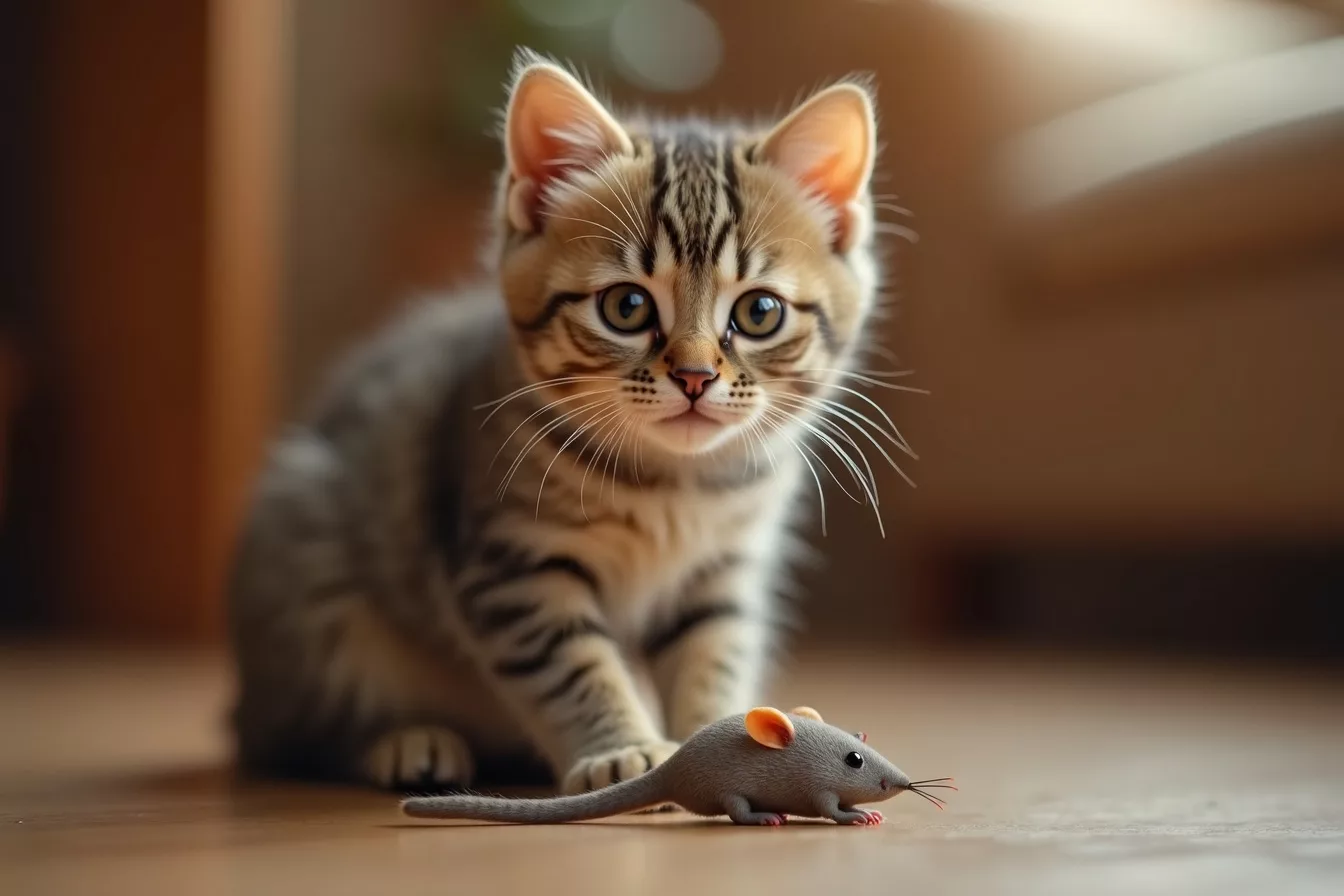
- Indoor cats are 60% more likely to “gift” toy mice to owners, mimicking natural hunting behaviour without actual kills
Sources: Royal Veterinary College, PDSA Pet Census 2025
Hunting Practice and Teaching Behaviour
Your cat might also be teaching you how to hunt. Cats are natural-born hunters, and they view hunting as a skill that must be learned and refined. By bringing you prey, your cat is showing you successful hunting techniques—a lesson they’d normally teach their own kittens.
According to the PDSA 2025 Pet Care Report, outdoor cats spend an average of 2.3 hours per day hunting. That dedication shows how deeply ingrained this behaviour is; it’s not malicious—it’s instinctual and purposeful.
✅ Expert Tip
If your cat brings you prey, respond calmly and thank them—literally say “thank you” in a gentle voice. This reinforces your bond without shaming them. Then quietly dispose of the animal. Avoid scolding or punishing; your cat will only become secretive or stressed. For example, when Mittens, a tabby from Bristol, began bringing mice indoors, her owner started saying “clever girl” before carefully removing the prey. Within weeks, Mittens brought fewer kills, sensing her gift was accepted rather than rejected.
The Role of Your Cat’s Diet
Interestingly, well-fed cats still bring home prey. A cat’s hunting drive isn’t primarily about hunger—it’s about instinct and enrichment. Even cats fed premium food multiple times daily will hunt if given the opportunity.
The British Veterinary Association confirms that feeding quality commercial diets doesn’t eliminate predatory behaviour. This is why indoor cats who eat more than their outdoor counterparts may still “hunt” stuffed toys with ferocious intensity.
What This Behaviour Says About Your Relationship
Here’s the heartwarming truth: your cat trusts you. Only cats who feel secure and bonded to their owners bring them gifts. Stressed, fearful, or feral cats don’t engage in this behaviour—it requires confidence and affection.
When your cat places a dead bird at your feet, they’re acknowledging you as part of their social group. They see you as someone worth feeding, which in cat language is a profound expression of love.
⚠️ Warning
If your cat brings prey indoors frequently, check for parasites (fleas, worms, tick-borne illnesses) that can transmit from wildlife. Wash your hands after handling dead animals, and consult your vet about preventative treatments. If your cat shows signs of illness after hunting (vomiting, lethargy, diarrhoea), contact your veterinary surgeon immediately.
How to Reduce Unwanted Gifts (Without Hurting Feelings)
Want fewer dead animals on your carpet? The most effective method is keeping your cat indoors or limiting outdoor time. However, if outdoor access is important, consider a motion-activated bell collar—studies show these reduce hunting success by 30%.
Enrichment indoors is equally crucial. Puzzle feeders, interactive toys, and regular play sessions satisfy your cat’s hunting drive without actual prey. Many owners find that 15 minutes of dedicated play twice daily dramatically reduces outdoor hunting motivation.
Your cat isn’t trying to be cruel or test your love—they’re following millions of years of evolutionary programming. The fact that they bring their catches to you is actually a compliment rooted in their deepest instincts of care and survival.
Have you noticed your cat changing their “gift-giving” habits as they’ve grown older, or when you’ve adjusted their playtime routine? Understanding your individual cat’s behaviour is the first step toward a deeper, more compassionate relationship. Next time, try responding with calm gratitude—it might be the most honest conversation you’ll have with your feline friend.