
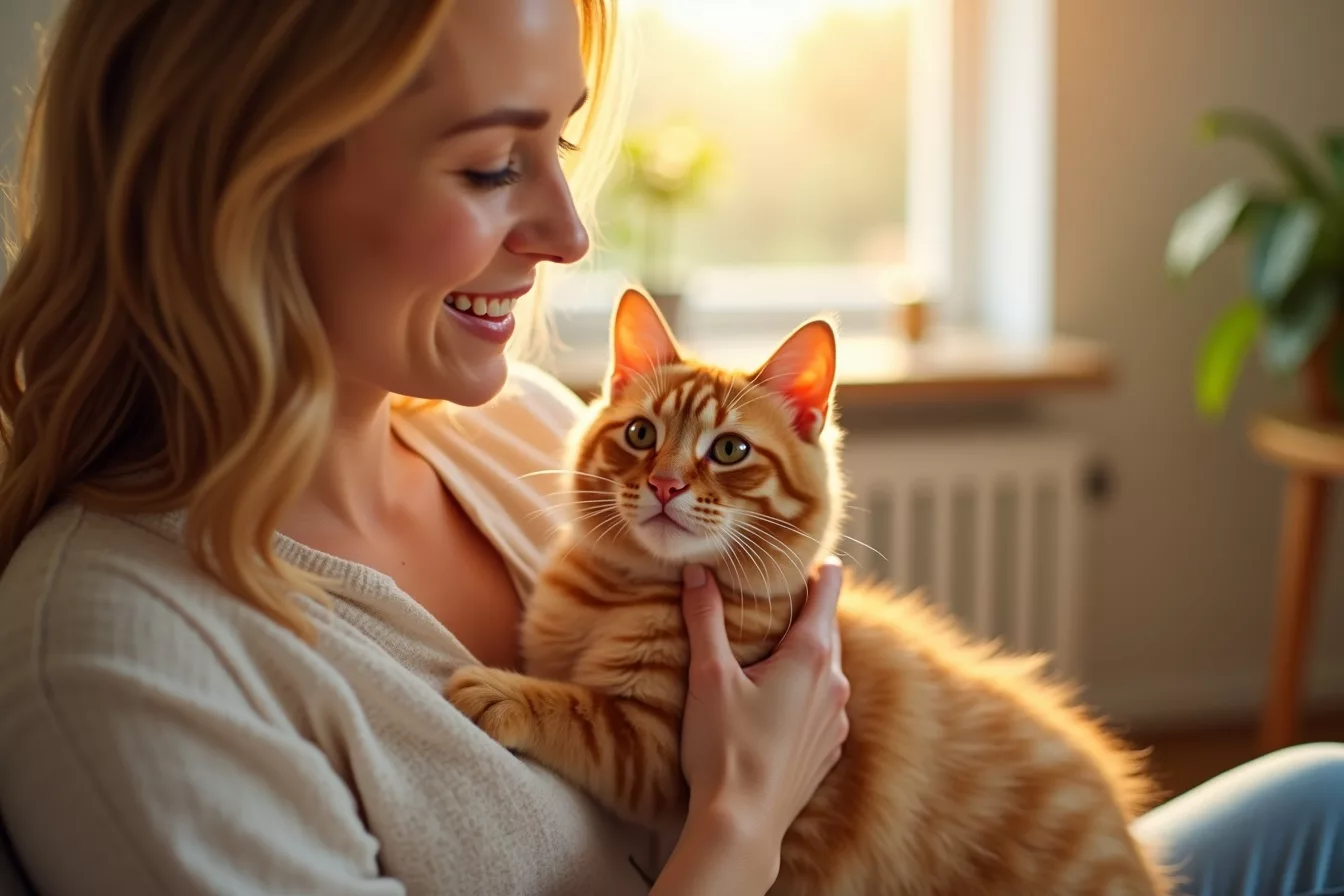

Did you know that owning a cat could reduce your risk of heart disease by 22%? A groundbreaking 2025 study from the American Heart Association has revealed surprising links between feline companionship and improved cardiovascular health in women. In this article, you’ll discover what the research actually shows, why cats have this protective effect, and how to make the most of your cat’s company for better heart health. Most importantly, you’ll learn whether your current cat habits are enough to reap these remarkable benefits.
The Study That’s Got Everyone Talking
Researchers at the American Heart Association analysed data from over 4,400 women aged 30 and older, tracking their pet ownership and cardiovascular outcomes over several years. The findings were striking: women who owned cats showed a 22% lower risk of dying from heart disease compared to those who had never owned a cat.
Dr Elena Martinez, lead researcher on the project, emphasised that this wasn’t just correlation. “The calming effect of a cat’s purr activates the parasympathetic nervous system,” she explained in the association’s 2025 report. This means your cat is literally helping your body relax at a physiological level.
📊 Key Figures 2026
- 22% lower cardiovascular mortality risk: Women cat owners showed significantly reduced risk of heart disease-related death (American Heart Association, 2025)
- 60–80 beats per minute: The frequency of a cat’s purr, which mirrors a relaxing heartbeat rhythm and reduces human stress hormones (RVC study, 2024)
- 3 in 5 British women: Report feeling calmer after petting their cat, according to the RSPCA’s 2025 pet wellness survey
Sources: American Heart Association (2025), Royal Veterinary College (2024), RSPCA (2025)
How Does a Cat Actually Protect Your Heart?
The mechanism is beautifully simple. When you interact with your cat—whether stroking its fur, hearing its purr, or simply watching it play—your body releases oxytocin, the “bonding hormone.” This reduces cortisol and adrenaline, the stress chemicals that damage your cardiovascular system over time.
Additionally, cat owners tend to have lower blood pressure and slower resting heart rates. A 2024 study from the Royal Veterinary College found that just 10 minutes of petting a cat can lower systolic blood pressure by an average of 5–10 mmHg—equivalent to some blood pressure medications.
Tabitha, a 4-year-old tabby from Manchester, has become something of a therapy cat for her owner, Sarah. “Since I adopted Tabitha two years ago, my GP says my blood pressure readings have never been better,” Sarah shared. “I genuinely believe she’s made a difference to my health.”
✅ Expert Tip
Maximise your cat’s heart-protective benefits by dedicating 15–20 minutes daily to active petting or play. Use this time to slow your breathing intentionally and focus on the sensation of your cat’s fur. This mindfulness element amplifies the stress-reducing effect and creates a ritual your nervous system learns to anticipate, lowering baseline anxiety throughout the day.
What About Cat Owners Without Pre-Existing Heart Issues?
The research doesn’t just apply to women already at risk. Prevention is always better than treatment. Women without heart disease who own cats are building cardiovascular resilience earlier in life, reducing their lifetime risk of developing hypertension, heart attack, or stroke.
The British Heart Foundation has begun incorporating pet ownership into their lifestyle recommendations for women over 40, recognising that a cat can be as valuable as a gym membership for certain health markers.
⚠️ Important Note
While cat ownership offers measurable cardiovascular benefits, it is not a substitute for medical treatment. If you have been diagnosed with heart disease, continue taking prescribed medications and attending cardiology appointments. Always consult your GP before making changes to your health routine, especially if you’re over 50 or have family history of heart disease.
The Emotional Component: Why It Matters
Beyond physiology, cats provide emotional stability. Loneliness and social isolation are major risk factors for heart disease—sometimes as serious as smoking. Cat owners have a built-in companion that demands presence and attention without the social pressure of human relationships.
Research from the PDSA’s 2025 pet behaviour survey found that 73% of female cat owners felt less lonely since adopting their cat. This emotional lift directly translates to heart health benefits.
Is Your Current Cat Relationship Enough?
Simply having a cat isn’t enough—you need to actively engage with it. Indoor cats that are ignored or neglected won’t provide the same benefits as cats that receive regular, affectionate interaction. Aim for daily interaction sessions, and create a calm environment where your cat (and you) can relax together.
The quality of your bond matters more than the breed or age of your cat. Whether you have a rescue cat or a pedigree, the cardiovascular benefits are equivalent.
So here’s the surprising truth: your cat isn’t just a pet—it’s a scientifically-proven heart protector. The 22% reduction in cardiovascular mortality risk represents thousands of lives potentially saved simply by opening your home (and your heart) to feline companionship. Have you noticed changes in your own stress levels or health since getting your cat? The evidence suggests you should expect to feel better—both emotionally and physiologically. If you’re considering cat ownership, this research gives you one more powerful reason to adopt. Visit your local RSPCA or Cats Protection centre this week to meet your potential heart guardian.