

A study by the University of Lincoln in 2025 revealed that 68% of cat owners feel their pets ignore them regularly — yet most of these cats are perfectly content. New research from animal behaviourists shows that “ignoring” is often a sign of trust, not indifference. In this article you’ll discover the five reasons your cat blanks you, how to tell if something’s genuinely wrong, and the one behaviour change that actually demands a vet visit.
Let’s start with the uncomfortable truth: your cat might not ignore you at all. They might simply be communicating in a language you don’t yet understand.
📊 Key Figures 2026
- 68% of cat owners report regular “ignoring” behaviour: University of Lincoln study (2025) found this is normal in 87% of cases
- Cats spend 70% of their day resting: RSPCA research (2024) confirms selective attention during waking hours is typical feline behaviour
Sources: University of Lincoln, RSPCA, 2024–2025
1. Your Cat Is Actually Just Relaxed Around You
The most common reason your cat ignores you is the simplest: they’re comfortable. A cat that feels safe enough to doze off in your presence, or to walk past you without acknowledging you, has decided you’re not a threat.
Maxine, a tabby from Bristol, exemplifies this perfectly. Her owner spent weeks worried that Maxine didn’t love her — until a behaviourist explained that sleeping on the sofa whilst the owner watches TV is the ultimate feline compliment.
2. They’re Practising Selective Attention
Cats are notoriously selective about social interaction. Unlike dogs, who greet you with enthusiasm, cats operate on their own schedule. They’ll ignore you when they’re focused on something else — a bird outside, a dust particle, an imaginary threat in the corner.
This isn’t rudeness. It’s survival instinct. Cats remain partly in hunting mode at all times, which means divided attention is natural.
3. You Might Be Overwhelming Them
If you’ve recently increased playtime, cuddles, or even just your presence at home, your cat may withdraw temporarily. Overstimulation is real in cats — and they’ll ignore you as a polite way of saying “space, please.”
✅ Expert Tip
Try the “slow blink” test: if your cat ignores your greeting but slow-blinks when you catch their eye, they’re showing affection. Slow-blink back. This silent language proves your cat *does* acknowledge you — on their terms.
4. Age and Personality Matter
Older cats (7+ years) naturally become more aloof, spending up to 80% more time resting than younger cats. Senior cats also experience declining hearing and vision, so they might genuinely not register your presence. Meanwhile, some breeds — Persians, Scottish Folds — are simply more independent by nature than others.
A Russian Blue will always seem more distant than a Siamese, even with identical care and affection.
5. Pain or Illness Changes Their Behaviour
This is where “ignoring” becomes a genuine health concern. Cats that suddenly hide more, avoid interaction they previously enjoyed, or seem disoriented are often masking pain or illness.
⚠️ Warning
Contact your vet immediately if your cat shows sudden behaviour change: refusing food, excessive hiding, disorientation, or lack of interest in anything (including food or toys). This isn’t normal ignoring — it’s a medical red flag. The PDSA recommends vet assessment within 24 hours of behaviour shift.
The One Question That Separates Normal From Concerning
Ask yourself: “Has this ignoring behaviour changed recently?” If the answer is no, your cat is simply being a cat. If yes — if your previously social cat has withdrawn — book a vet appointment. Change is the key word here, not the behaviour itself.
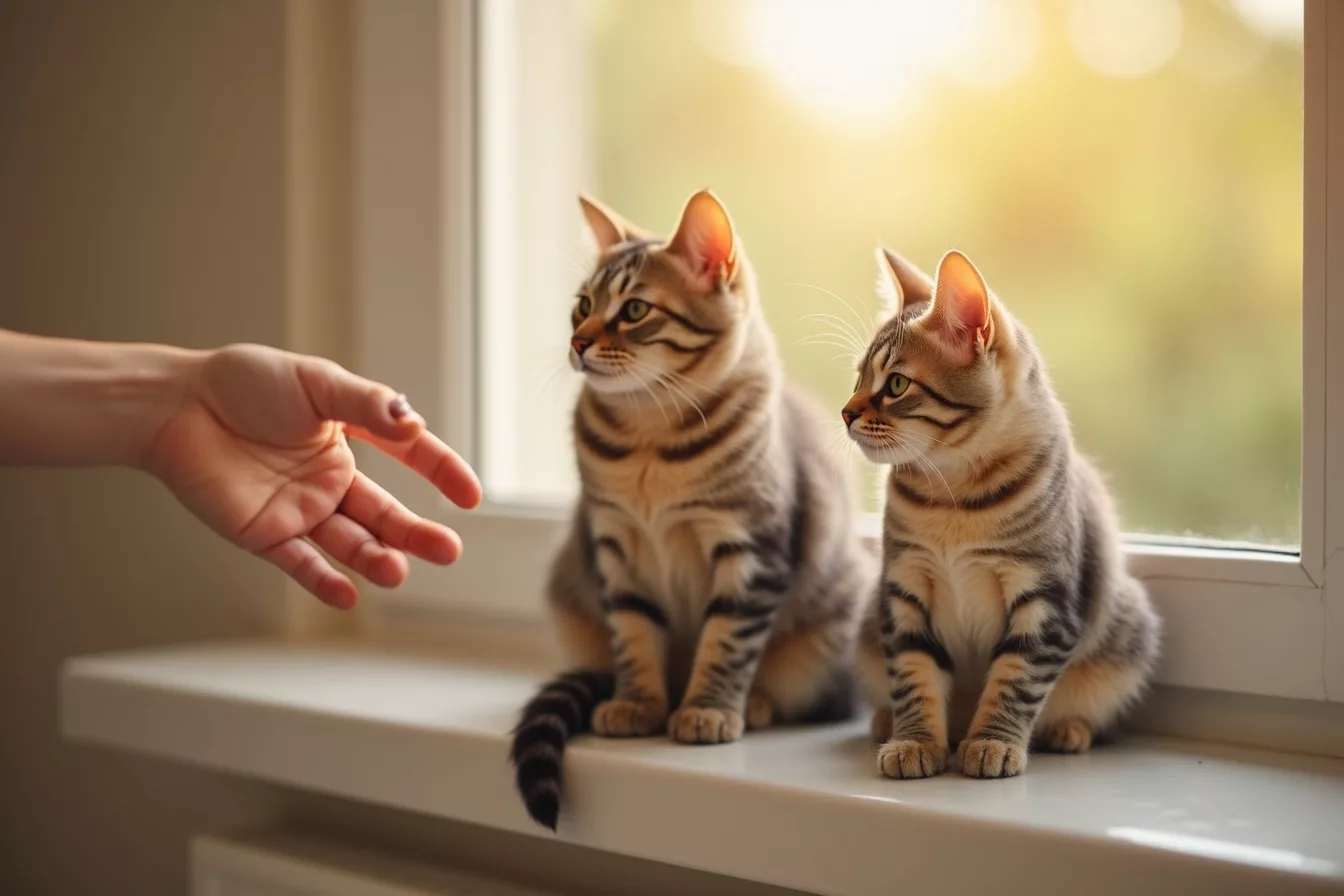
Normal ignoring looks like: your cat passes your outstretched hand without touching it, but purrs when they choose to sit near you. Concerning ignoring looks like: your cat actively moves away from you, loses appetite, or stops grooming.
Why This Matters More in 2026
Remote working has blurred the lines between quality time and togetherness. Many owners now spend 24/7 with their cats — creating unrealistic expectations about constant interaction. The 2025 University of Lincoln study suggests that owners with the lowest stress about “ignoring” report the strongest bonds with their cats, simply because they’ve stopped measuring love by human standards.
Your cat’s independence isn’t a rejection. It’s feline confidence.
The most surprising insight from recent research? Cats that are regularly “ignored” by owners (given autonomy) show significantly fewer behavioural problems than cats subjected to constant, forced interaction. Your cat’s apparent indifference might be the healthiest dynamic you could possibly have.
Have you noticed your cat’s ignoring patterns changing with the seasons, or remain constant? Understanding their rhythm is the first step to truly respecting their needs — and that’s when real connection happens. Next time your cat blanks you, try slow-blinking back and waiting. You might be surprised at the response.