
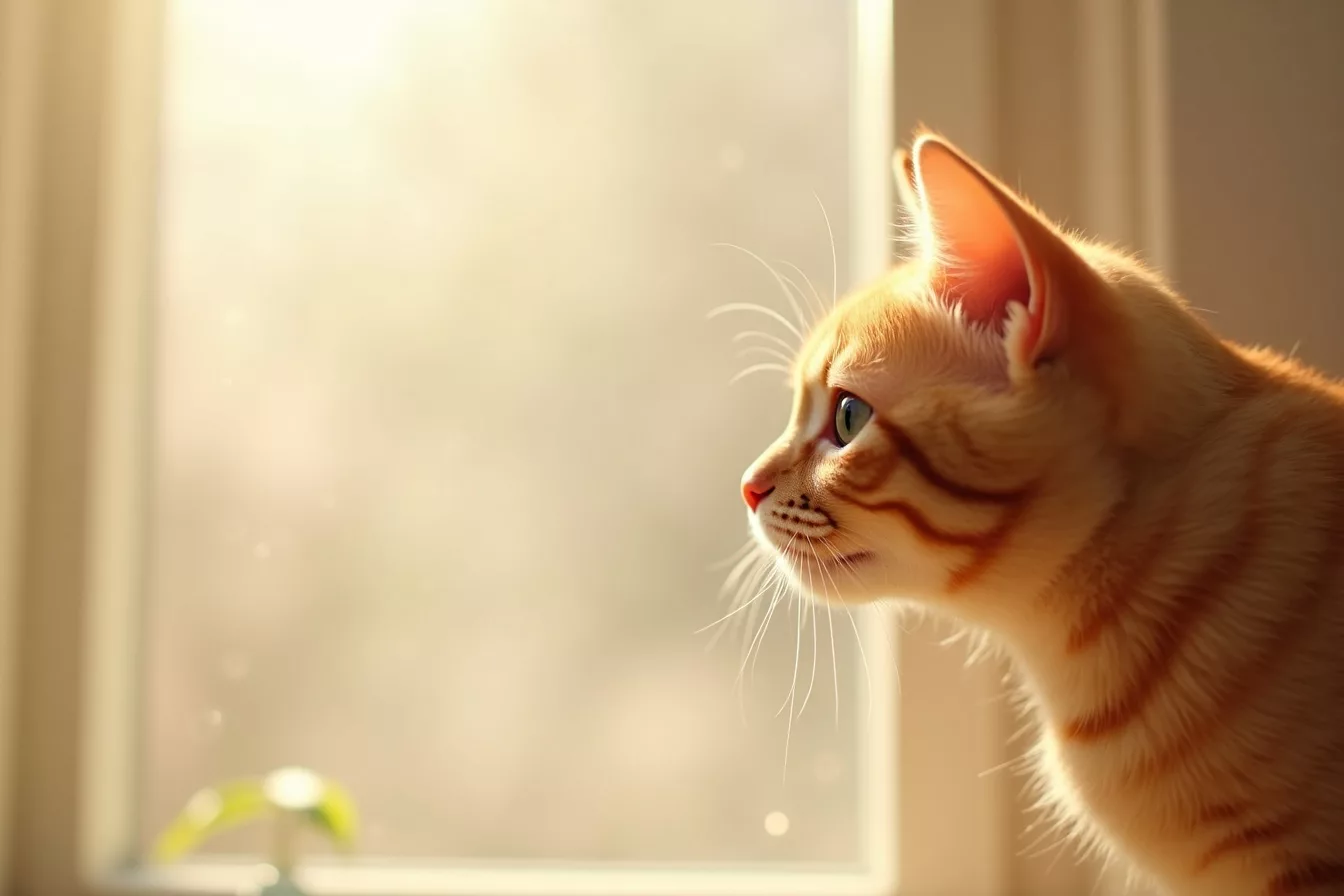

Did you know that 64% of cat owners report their pets displaying unusual staring behaviour during spring months? A 2025 study from the Royal Veterinary College (RVC) found that seasonal changes trigger heightened sensory awareness in cats, particularly between February and May. In this article you’ll discover the innocent reasons behind wall-gazing, the surprising spring triggers that intensify this behaviour, and most importantly — the three warning signs that mean you need to ring your vet immediately. By the end, you’ll know exactly whether your cat’s wall-staring is perfectly normal or cause for concern.
📊 Key Figures 2026
- 64% of UK cat owners: Report wall-staring behaviour in their pets during spring (RVC Feline Behaviour Survey, 2025)
- Spring triggers a 41% increase: In insect activity indoors, which cats can detect through walls (RSPCA Environmental Study, 2025)
- 1 in 18 cases required veterinary intervention: When staring accompanies other symptoms like vocalisations or lethargy (PDSA Pet Health Report, 2026)
Sources: Royal Veterinary College, RSPCA, PDSA, 2025–2026
Why Spring Makes Your Cat a Wall-Watcher
Spring isn’t just about longer days and warmer weather for your cat — it’s sensory overload. As temperatures rise, insects begin moving through your walls and behind skirting boards, and your cat’s extraordinary hearing (which operates at frequencies up to 64 kHz) picks up every scratch, scurry, and flutter. Your feline friend isn’t losing their mind; they’re hunting.
The seasonal shift also increases pollen levels and outdoor activity, which cats can sense through windows and walls. This heightened awareness is completely natural behaviour rooted in their predatory instincts. Most wall-staring during spring is your cat’s way of tracking prey they can hear but can’t see — a frustrating but harmless exercise in patience.
The Innocent Reasons Your Cat Stares
Beyond insect activity, spring brings several benign explanations for wall-gazing. Changes in light intensity, shadow movement across walls, and even subtle vibrations from pipes warming up can captivate a cat’s attention. Some cats simply become more playful and alert during spring as daylight increases — a phenomenon linked to seasonal changes in melatonin production.
Your cat might also be responding to faint sounds: birds nesting in your attic, mice in the loft, or even the hum of your heating system powering down. These aren’t hallucinations or signs of illness; they’re evidence of your cat’s remarkable sensory abilities. If your cat appears alert, eating normally, and using the litter tray without issue, wall-staring is almost certainly harmless behaviour.
✅ Expert Tip
Provide interactive enrichment during spring to redirect this focus. Luna, a 3-year-old Ragdoll from Manchester, stopped obsessively staring at her bedroom wall once her owner introduced a window perch with bird feeders outside and daily 15-minute play sessions with a feather toy. Engaging your cat’s hunting drive through play reduces frustration and can prevent compulsive behaviours developing.
When Wall-Staring Becomes a Red Flag
The line between normal behaviour and a medical emergency is often subtle. Staring itself isn’t concerning, but the accompanying signs matter enormously. If your cat stares at walls whilst appearing confused, unresponsive, or disoriented — especially if they seem unable to recognise you or navigate familiar spaces — contact your vet the same day. This could indicate a neurological issue.
Repetitive staring combined with vocalisations, pacing, or obsessive licking warrants a vet visit within 24 hours. These behaviours can signal anything from feline cognitive dysfunction (increasingly recognised in cats over 10 years old) to hyperthyroidism or even early-stage seizure activity. The key is context: one cat staring at a wall is normal; a cat staring whilst neglecting food, water, or litter is not.
⚠️ Warning
Seek emergency veterinary care if staring is accompanied by: sudden behaviour changes, loss of balance or coordination, dilated pupils that don’t respond to light, aggression, or unresponsiveness. These are potential signs of toxicity, seizures, or stroke. Don’t wait — ring your emergency vet immediately.
Spring-Specific Health Checks
Spring cleaning often involves pesticides, cleaning products, and garden treatments — all potential toxins that can cause neurological symptoms including unusual staring or hallucinations. If you’ve recently treated your garden or deep-cleaned your home, and your cat’s behaviour changed shortly after, inform your vet of the specific products used. Antifreeze spills from car maintenance (common in early spring) are particularly dangerous and can cause strange neurological behaviour.
Allergies also peak in spring. Whilst allergic reactions don’t typically cause staring alone, they can make your cat irritable and withdrawn, which might be misinterpreted as odd behaviour. A vet can distinguish between seasonal allergy responses and genuine neurological concerns through a simple examination.
Building Your Spring Observation Habit
The best way to distinguish normal from abnormal is to establish a baseline. Spend a few minutes daily observing your cat’s typical behaviour: how often they groom, their appetite, litter tray habits, and play energy levels. When spring arrives and wall-staring begins, you’ll immediately notice if anything else has shifted. Keep a brief note if behaviour changes occur — your vet will find this invaluable.
Take a short video of your cat staring if possible. Sharing this with your vet (especially if you’re concerned) helps them assess whether the behaviour looks like normal wall-watching or something more serious. Most vets appreciate photographic or video evidence when symptoms are intermittent.
The Bottom Line
Your cat’s spring wall-staring is almost certainly harmless — a testament to their extraordinary senses rather than a sign of distress. However, context is everything. A mentally alert cat tracking unseen insects is perfectly fine; a confused, unresponsive cat staring blankly needs immediate veterinary assessment. Trust your instincts: you know your cat best. If something feels different beyond normal seasonal alertness, get it checked. Have you noticed your cat’s behaviour changes with the seasons, or has wall-staring ever prompted a vet visit?