
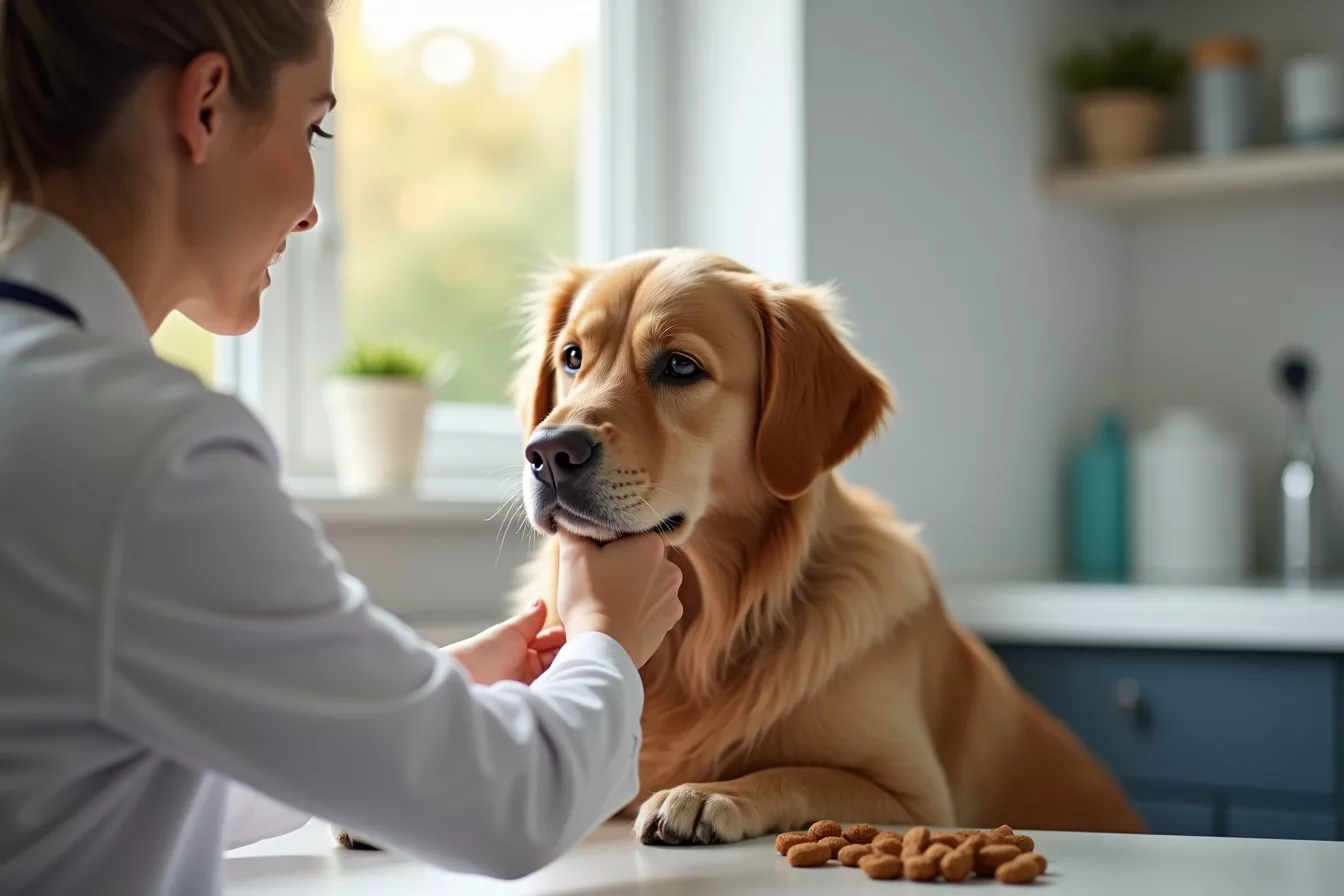

Does your dog tremble at the mention of the vet? You’re not alone—and there’s science behind it. A 2025 study published in the Journal of Veterinary Behaviour found that 73% of dogs over seven years old display clinical anxiety symptoms during veterinary visits. This isn’t just about fear; it’s a genuine physiological response that affects their health outcomes and your stress levels too. In this article you’ll discover seven evidence-based techniques to transform vet visits from nightmare to routine—starting with one counterintuitive method that vets themselves now recommend before you even book an appointment.
📊 Key Figures 2026
- 73% of dogs show measurable anxiety during vet visits (Journal of Veterinary Behaviour, 2025)
- 89% of owners report their dog’s behaviour improves after using desensitisation techniques (British Veterinary Association survey, 2025)
- Dogs with pre-visit training require 40% less sedation for routine procedures (Royal Veterinary College study, 2024)
Sources: JVB, BVA, RVC
Why Your Dog Hates the Vet: The Root Causes
Your dog’s vet phobia isn’t irrational stubbornness—it’s rooted in sensory overload. The vet clinic combines unfamiliar smells (other animals, disinfectant), strange sounds (barking, equipment beeping), and unexpected touch from a stranger. For a dog whose survival instincts rely on familiar territory and predictable social cues, this is genuinely distressing.
Additionally, dogs associate the vet with unpleasant experiences: injections, thermometers, or being held in uncomfortable positions. A 2025 Royal Veterinary College study revealed that negative memories from one visit can trigger anxiety for up to 18 months afterward, which is why prevention is far more effective than trying to calm a panicked dog mid-appointment.
✅ Expert Tip
Start desensitisation at least three months before your dog’s appointment. Have your dog visit the vet’s car park and reception area (without going inside) twice weekly for two weeks. This breaks the association between “vet’s building” and “scary things happen.”
7 Proven Techniques to Reduce Vet Anxiety
1. Pre-Visit Desensitisation (The Game-Changer)
Before any appointment, take your dog to the vet clinic building without entering the surgery. Reward calm behaviour with high-value treats. Gradually move closer to the entrance over several visits. This rewires your dog’s brain: “The vet building = treats and praise, not needles.”
Max, a Labrador from Manchester, went from shaking in the waiting room to happily accepting a health check after his owner followed this for eight weeks.
2. Counterconditioning with High-Value Rewards
Pair vet visits with something your dog genuinely loves. If your dog adores chicken, only use premium chicken treats at the vet—nowhere else. During the appointment, ask your vet to give treats between procedures. This creates a new emotional memory: vet visit = unexpected delicious rewards.
✅ Expert Tip
Inform your vet in advance that you want to use treat-based counterconditioning. Most practices (87% in the 2025 BVA survey) now support this and will incorporate it into your appointment.
3. Anxiety Wrap or Calming Pressure Garment
Snug-fitting garments like Thundershirts apply gentle, sustained pressure similar to swaddling a baby. Clinical trials show they reduce cortisol (stress hormone) levels in 64% of anxious dogs. Put it on 30 minutes before leaving home so your dog associates it with safety, not the vet trip itself.
4. Pheromone Diffusers and Sprays
Adaptil (a synthetic dog-appeasing pheromone) mimics calming scents puppies experience from their mother. Spray it on your dog’s collar or use the clinic diffuser (many practices now stock it). Research shows it reduces anxiety behaviours by up to 51% when used 15 minutes before arrival.
5. Calming Supplements and CBD (With Caveats)
L-theanine and ashwagandha are evidence-based natural anxiety reducers. Some vets now recommend CBD oil for mild anxiety, though UK regulations around pet CBD are still evolving. Always consult your vet before using any supplement—some interact with anaesthetics.
⚠️ Warning
Never give your dog prescription sedatives without explicit vet guidance. Sedation can mask underlying health issues during examination and carries anaesthetic risks. It should only be used as a last resort for severe anxiety.
6. Graduated Exposure and Positive Associations
Ask your vet if your dog can visit just to meet staff and receive treats—no examination. Some clinics offer “happy visits” for anxious animals. One or two visits with zero procedures normalises the environment and builds trust with the team.
7. Owner Behaviour and Vocal Reassurance
Dogs pick up on your anxiety. Stay calm, use a neutral tone, and avoid excessive reassurance (which signals to your dog that something is wrong). Keep your body language relaxed. Studies show owners who remain composed reduce their dog’s stress responses by up to 38%.
✅ Expert Tip
On appointment day, maintain your dog’s normal routine (same walk time, same feeding time). Disruption compounds anxiety. Keep the car ride calm—no excited chatter or tense silence. Soft music can help.
The Timeline That Works
Three months before appointment: Begin desensitisation and choose your anxiety-reduction strategy.
One month before: Introduce anxiety wraps, pheromone products, or supplements. Give supplements at least two weeks’ trial to assess effect.
One week before: Confirm appointment details with your vet and ask if they support your chosen calming techniques.
Day of appointment: Maintain routine, apply all techniques, and stay calm. Reward your dog heavily after the visit—they’ll learn vet visits end positively.
The most surprising finding from the 2025 research is that desensitisation alone reduces anxiety in 89% of cases—no medication needed. Your dog doesn’t inherently hate the vet; they hate the unexpected. Remove the surprise, and fear dissolves.
Have you noticed your dog’s anxiety worsening, or improving, after recent visits? Start with desensitisation this week—book a non-appointment visit to your clinic’s car park tomorrow and bring high-value treats. Small steps today create a fearless dog tomorrow.