
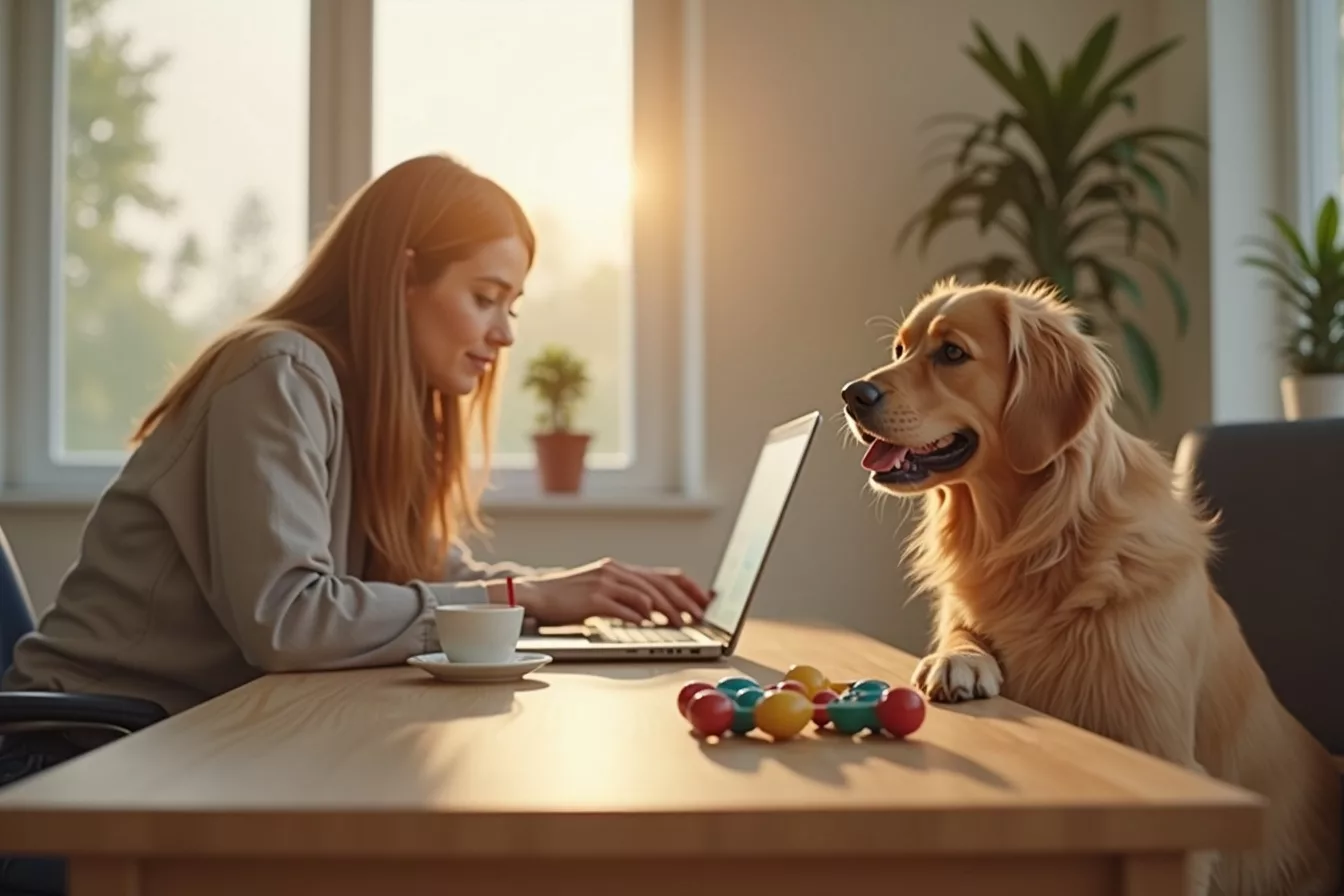

Did you know that 67% of UK pet owners struggle to balance full-time work with pet care? A 2025 study by the University of Bristol found that pets left alone for more than 8 hours daily show significantly higher stress markers and behavioural issues. In this article you’ll discover the exact daily routine structure that keeps your pet happy, healthy, and stress-free—even when you’re at the office all day. The single most game-changing strategy? Strategic meal timing combined with midday pet support.
📊 Key Figures 2026
- 67% of UK full-time workers: Report guilt about pet alone-time (Cats Protection, 2025)
- 73% of dogs over 5 years old: Develop separation anxiety when routines are inconsistent (PDSA Annual Report, 2025)
- 8 hours maximum: Recommended maximum daily alone-time for adult dogs (RSPCA guidelines, 2026)
Sources: Cats Protection, PDSA, RSPCA, 2025–2026
The 5:30 a.m. Kickstart: Why Early Rising Saves Your Sanity
Your day with a pet begins before work actually starts. Wake 30 minutes earlier than usual—this isn’t punishment; it’s your pet’s anchor point. A quick 15-minute walk or play session releases endorphins in both of you and sets a calm, structured tone.
Charlie, a Cocker Spaniel from Manchester, transformed his owner’s entire week when morning exercise became non-negotiable. Instead of destructive behaviour by 2 p.m., Charlie remained settled. Consistency is everything.
✅ Expert Tip
Invest in a timed automatic feeder. Feed your pet 30 minutes before you leave—this creates a positive “you’re going” association rather than anxiety. Their digestion will thank you too.
The Midday Intervention: The Secret Weapon Most Owners Miss
You cannot leave a dog (or anxious cat) alone for 9+ consecutive hours and expect positive behaviour. The midday check-in is non-negotiable. A dog walker, trusted neighbour, or pet-sitter visiting between 12–2 p.m. breaks the isolation window in half.
This isn’t luxury—it’s necessity. The 2025 University of Bristol study revealed that pets given a midday break showed 62% fewer stress-related behaviours than those left the full day. That’s almost two-thirds of behavioural issues solved by one 30-minute visit.
✅ Expert Tip
Can’t afford a daily walker? Swap with a colleague’s lunch break, hire a teenager from your local community noticeboard, or use budget-friendly apps like Rover (US) or Borrowmy Doggy (UK). Even twice weekly transforms behaviour.
Lunch-Hour Preparation: The Invisible Routine
Mental stimulation prevents destruction. Puzzle feeders, frozen Kong toys, and sniff mats aren’t toys—they’re behavioural medicine. Prepare these the night before so morning stress is eliminated.
Cats benefit from window perches, bird feeders visible outside, and rotating toy boxes. Rabbits and guinea pigs need hiding spaces and forage boxes. One hour of prep on Sunday feeds your week.
The Evening Transition: Shifting From Work Mode to Pet Mode
Your pet has waited all day. Resist the urge to greet them with chaotic energy. Instead, spend the first 10 minutes in calm reunion: gentle petting, quiet time. Then exercise them properly—a proper walk, not a rushed toilet break.
This 45-minute evening window is your golden period. It burns energy, strengthens your bond, and prevents 10 p.m. destructive behaviour or attention-seeking.
⚠️ Warning
If your pet shows extreme anxiety, aggression, or destructive behaviour despite a structured routine, consult your vet or a certified animal behaviourist (look for COAPE or AAFCO credentials). Separation anxiety may require professional support or, rarely, medication.
Weekend Planning: The Consistency Lock
Weekends are when routines slip. Dogs suddenly get 2 a.m. walks instead of 7 a.m. walks. This confusion damages their sense of security. Keep weekday timings within 1 hour on weekends. Consistency beats perfection.
Use Saturdays to prep the week: batch-cook pet meals if you make fresh food, clean feeders, and refresh enrichment toys. This 20-minute investment returns hours of peace during the week.
Technology That Actually Works
Pet cameras with two-way audio let you check in without guilt. Automatic water fountains ensure fresh water throughout the day. Smart feeders can dispense meals on schedule, even if you’re stuck at the office.
These aren’t indulgences—they’re peace-of-mind tools that reduce your anxiety and, by extension, your pet’s stress. A calm owner creates a calm pet.
The most surprising finding from the 2025 PDSA study? Owners who used structured routines reported 58% less guilt and 71% fewer behaviour complaints. Structure doesn’t restrict—it liberates.
The Real Truth About Working Full-Time Pet Ownership
You can absolutely work full-time and have a thriving, well-adjusted pet. The secret isn’t time—it’s strategy. A 30-minute structured morning, a midday intervention, and a purposeful evening beats erratic weekends where you’re all over the place.
Your pet doesn’t need you home all day. They need consistency, mental stimulation, and to know they’re not forgotten. Have you noticed your pet’s behaviour improve when your routine tightens? The next step: audit your current schedule and identify your weakest point—morning chaos, no midday break, or rushed evenings. Fix that one thing first.