
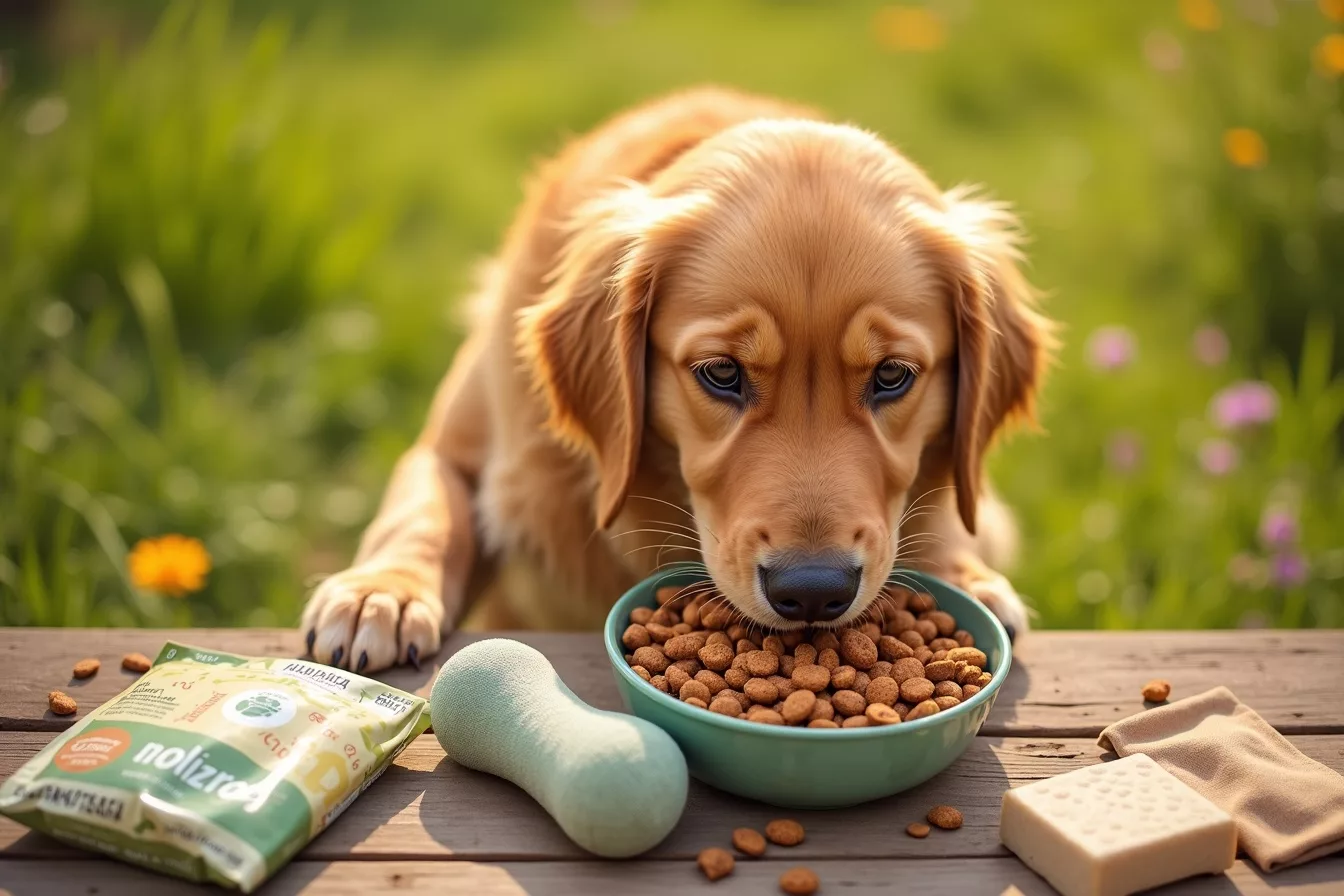

Did you know that pet food production accounts for roughly 25-30% of the UK’s total environmental impact from animal agriculture? A groundbreaking 2025 study from the University of Edinburgh revealed that sustainable pet care choices can cut a household’s pet-related carbon footprint by up to 40% without compromising nutrition or wellbeing. In this article you’ll discover seven simple swaps that benefit both your furry friend and Earth—and the first one might surprise you with how much money you’ll save.
📊 Key Figures 2026
- 40% carbon reduction possible: Pet owners switching to sustainable products can lower their pet’s environmental impact by nearly half (University of Edinburgh, 2025)
- 63% of UK pet owners: Now prioritise eco-friendly pet products, up from 41% in 2022 (PDSA Pet Report, 2025)
Sources: University of Edinburgh, PDSA, 2025
1. Switch to Sustainable Pet Food (Or Add Plant-Based Days)
Conventional pet food—especially meat-heavy diets—requires vast amounts of water and generates significant methane emissions. Premium brands now offer high-protein, nutritionally complete plant-based or insect-protein kibble that meets AAFCO standards.
Consider starting with one “Meatless Monday” per week using brands like Butternut Box or Canagan’s sustainable range. Your pet’s digestion adjusts within 7-10 days, and many owners report improved coat quality and fewer digestive issues.
✅ Expert Tip
Start transitioning gradually: mix 25% new food with 75% current for 3 days, then 50/50 for 3 days. This prevents stomach upset and helps your pet adjust to new flavours.
2. Choose Biodegradable Poop Bags
Standard plastic poop bags take 500+ years to decompose. Switching to certified compostable bags (look for OK Compost Home certification) costs only 10-15% more but breaks down within 6 months in proper conditions.
Brands like Earth Rated and Tails.com offer rolls of 120+ bags, making this swap nearly invisible to your routine whilst making a real environmental difference on every walk.
3. Switch to Eco-Friendly Grooming Products
Most conventional pet shampoos contain microplastics and chemicals that wash into water systems, harming aquatic life. Solid, plastic-free shampoo bars for pets last 3-4 times longer than liquid bottles and require no packaging waste.
Look for RSPCA-approved formulas with natural oils like oat extract or chamomile. One bar typically replaces 2-3 plastic bottles, saving money and shelf space in your bathroom cabinet.
4. Invest in Durable, Secondhand Toys and Beds
Fast-fashion pet products often end up in landfill within months. Switching to quality toys made from natural rubber or recycled materials—or buying gently used items from Facebook Marketplace and Vinted—extends product lifecycles dramatically.
A case study: Bella, a Golden Retriever from Manchester, has used the same organic cotton bed for 5 years. Her owner bought it secondhand for £12 and has donated it to a local rescue once Bella passes. Total waste: zero.
5. Reduce Single-Use Waste With Refillable Litter Systems
For cat owners, litter generates enormous waste. Switching to plant-based, compostable litter (made from pine, wheat, or recycled paper) and using refillable bulk systems cuts packaging waste by 80%.
Brands like Scrubbles and Dibaq offer delivery-subscription models where you return empty containers for refilling—similar to milk bottle schemes your grandparents might remember.
✅ Expert Tip
Test new litter by mixing 30% new litter with 70% current litter for one week. Cats are creatures of habit; this gentle transition prevents litter box avoidance.
6. Buy Pet Medications and Supplements From Local Vets
Online pet pharmacies often ship from overseas in excess packaging. Sourcing flea treatments, wormers, and supplements through your local vet reduces transport emissions and packaging waste whilst supporting your community.
Many independent practices now stock sustainable alternatives—ask your vet about prescription flea treatments with longer-lasting formulas (fewer treatments = less packaging annually).
7. Join a Pet Toy Library or Swap Group
Pet toy libraries and online swap communities (popular on Instagram and local Facebook groups) let you rotate toys seasonally, preventing overbuying and keeping pets mentally stimulated without landfill guilt.
This approach costs nothing after initial signup and teaches children about circular economy principles through play.
⚠️ Warning
Never switch pet diets or introduce new products without consulting your vet first. Pets with allergies, kidney disease, or digestive conditions require tailored nutrition. Contact your vet if your pet shows vomiting, diarrhoea, or lethargy within 5 days of dietary changes.
The Planet Wins When Your Pet Does
The surprising truth? The single biggest impact comes from choosing sustainable pet food. That one swap can reduce your pet’s carbon footprint by 30-40%, and most pets thrive on modern plant-based or insect-protein kibbles just as much as traditional options.
You don’t need to overhaul everything at once. Start with one or two swaps this month—perhaps biodegradable bags and a refillable grooming product—and add another in June. By next Earth Day, you’ll have transformed your pet care routine into something genuinely sustainable.
Have you noticed any changes in your pet’s behaviour or health when switching to eco-friendly products? Share your story in the comments—your experience might inspire another pet parent to make the leap.