
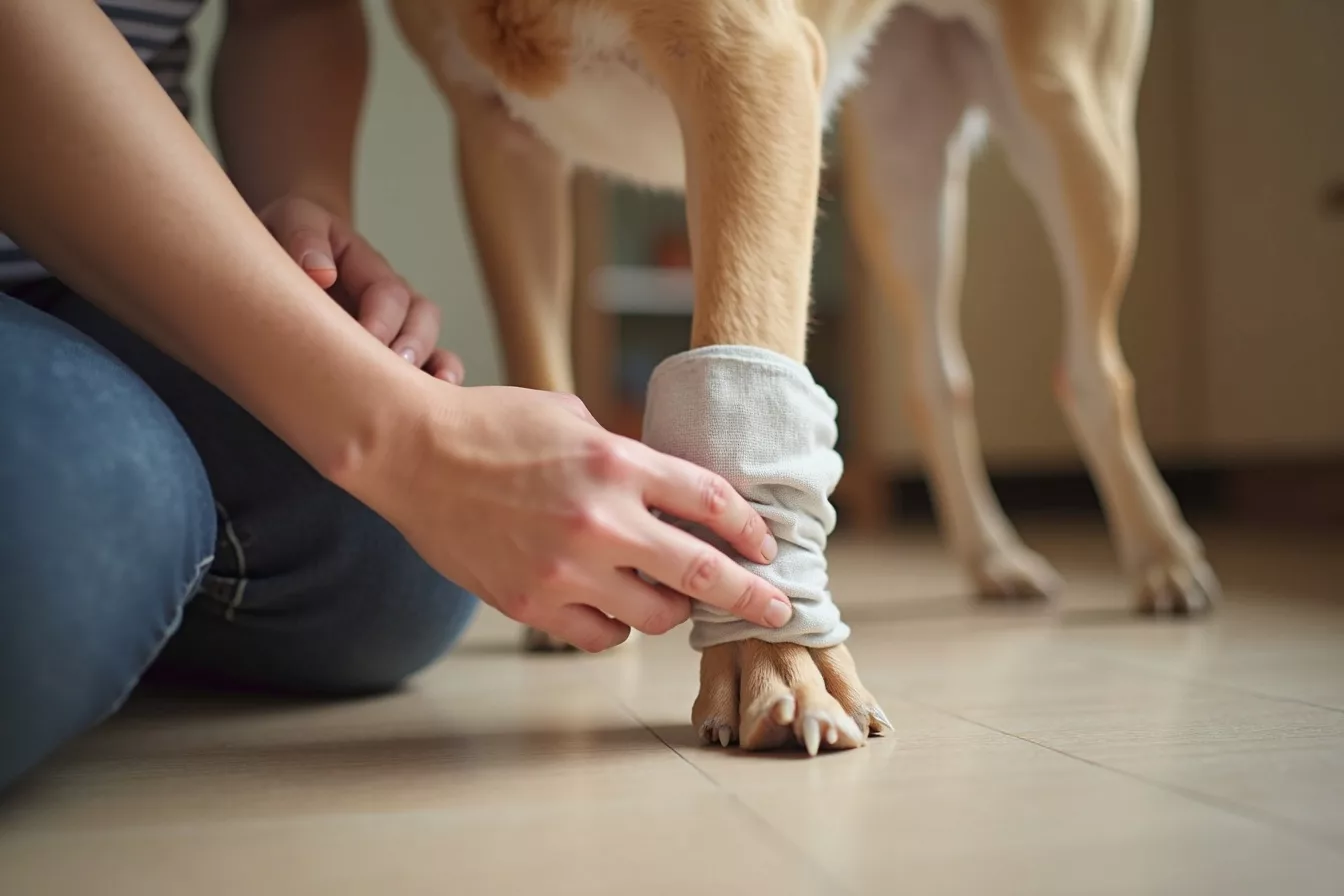

Every year, approximately 3,000 dogs in the UK are bitten by adders—the only venomous snake species found across Britain. Most bites happen during spring and summer walks through heathland, moorland, and woodlands. A 2025 study published by the Royal Veterinary College (RVC) revealed that dogs treated within 60 minutes of an adder bite had a 91% survival rate, compared to 67% when treatment was delayed beyond 4 hours. In this article, you’ll discover the exact steps to take in the first hour after a bite, how to recognise adder venom symptoms, and the one critical mistake that could cost your dog’s life. We’ll also reveal why ice and certain home remedies can actually make things worse.
Why the First 60 Minutes Matter: The Science Behind Adder Venom
Adder venom is a cocktail of proteins designed to destroy tissue and prevent blood clotting. Unlike a bee sting, which peaks in 30 minutes, adder venom spreads rapidly through the lymphatic system. Within just 15 minutes of a bite, the toxins begin damaging blood vessels and muscle tissue around the injection site.
The good news? Your dog’s body has a brief window where anti-venom serum (available at emergency vets) works most effectively. After 4 hours, the venom has already caused significant cellular damage that even anti-venom cannot fully reverse. Time is genuinely life-or-death here.
📊 Key Figures 2026
- 91% survival rate: Dogs treated within 60 minutes of adder bite (RVC 2025 study)
- 3,000+ bites annually: UK dogs bitten by adders during outdoor activities
- Peak season: April–July: 78% of adder bites occur during these months (PDSA data)
Sources: Royal Veterinary College, PDSA, 2025–2026
Step 1: Recognise the Bite (Minutes 0–5)
Adder bites are often painful but surprisingly small—two tiny puncture marks, usually on the face, neck, or legs. Your dog may yelp and immediately back away. Within seconds to minutes, swelling begins. You might see mild puffiness at first that balloons into alarming inflammation within 10–15 minutes.
Crucially, not all adder bites contain venom. Defensive strikes (“dry bites”) happen roughly 20% of the time. However, you cannot tell if a bite is dry or venomous by looking at it. Always assume venom and act immediately.
✅ Expert Tip
Stay calm—your anxiety will stress your dog further, which increases heart rate and speeds venom circulation. Take a deep breath, note the exact time, and move to step 2. Panic clouds judgment; calmness saves lives.
Step 2: Immobilise and Restrict Movement (Minutes 5–15)
This is where most owners make a critical error. Your instinct is to rush about, but movement pumps venom through your dog’s lymphatic system like a biological pump. Slow movement is essential. Carry your dog if possible; do not let them walk.
Gently place your dog on a flat surface (a cushion in the car, your lap if small). Keep the bitten limb as still as possible. If the bite is on the leg, avoid bending the joint. This sounds simple, but it’s one of the most overlooked steps by panicked owners.
⚠️ Warning
DO NOT apply ice, tight tourniquets, or suction devices. These are outdated myths that cause tissue damage and increase complications. DO NOT cut the bite or attempt to suck out venom—this risks infection and further damage. Simply keep the area still and elevated slightly.
Step 3: Contact Your Emergency Vet (Minutes 5–10)
Ring your nearest 24-hour emergency veterinary clinic immediately. If it’s during normal hours, phone your regular vet first—they can advise on travel time and may have anti-venom in stock. Do not wait. Provide: bite location, time bitten, and any visible symptoms (swelling, vomiting, drooling).
Recent case: Biscuit, a 5-year-old Spaniel from the New Forest, Hampshire, was bitten whilst foraging near heathland. Her owner rang the emergency vet at 2:47 p.m., and Biscuit received anti-venom by 3:35 p.m.—48 minutes after the bite. She recovered fully within 5 days. Without that quick call, the outcome could have been tragic.
Step 4: Travel Safely to the Vet (Minutes 10–30)
Drive calmly, but do not dawdle. Smooth acceleration and gentle corners reduce stress on your dog. If alone with a large dog, keep your mobile on speaker to call ahead with your ETA. The vet will have anti-venom and monitoring equipment ready if you’ve warned them.
If your dog begins vomiting, drooling heavily, or appears confused, these are serious signs of systemic envenomation. Drive safely but urgently. Do not exceed speed limits—a crash helps nobody.
Step 5: Hospital Care (Minutes 30–60+)
The vet will examine the bite, assess swelling, and likely administer anti-venom intravenously. This is the gold standard treatment. Your dog may also receive pain relief, antibiotics (to prevent infection at the bite site), and IV fluids to support organ function. Most dogs stay overnight for monitoring.
Swelling may worsen for 24–48 hours even after anti-venom—this is normal. The venom has already caused tissue damage; anti-venom prevents further spread. Full recovery typically takes 5–10 days.
✅ Expert Tip
Ask your vet if they stock anti-venom before spring walking season. Larger practices and urban emergency clinics usually do, but rural vets may need to refer you to a specialist. Knowing this now prevents delays later.
Prevention: The Best Medicine
Avoid walking dogs through known adder habitats (heathland, rocky outcrops, marshland) between April and July, especially in warm weather. Adders are shy and will flee if given the chance. Keep your dog close on lead in suspect areas. Most bites occur when dogs investigate snake movements.
Watch for adder warning signs: slow, S-shaped movement through long grass, or a distinctive hissing sound. If you hear a hiss, call your dog away calmly and move on.
The Bottom Line
An adder bite is frightening, but your response in the first 60 minutes dramatically improves survival odds. The critical actions are simple: stay calm, immobilise your dog, avoid movement, contact your vet immediately, and travel safely. The shocking truth your vet wishes more owners knew? Most preventable deaths happen because owners delay seeking help or apply harmful home remedies. Recognising the bite and reaching the vet within that golden window is what saves lives.
Have you walked your regular dog routes recently? Could you name your nearest 24-hour emergency vet from memory? Now is the time to find that number and save it to your phone—before you ever need it.