
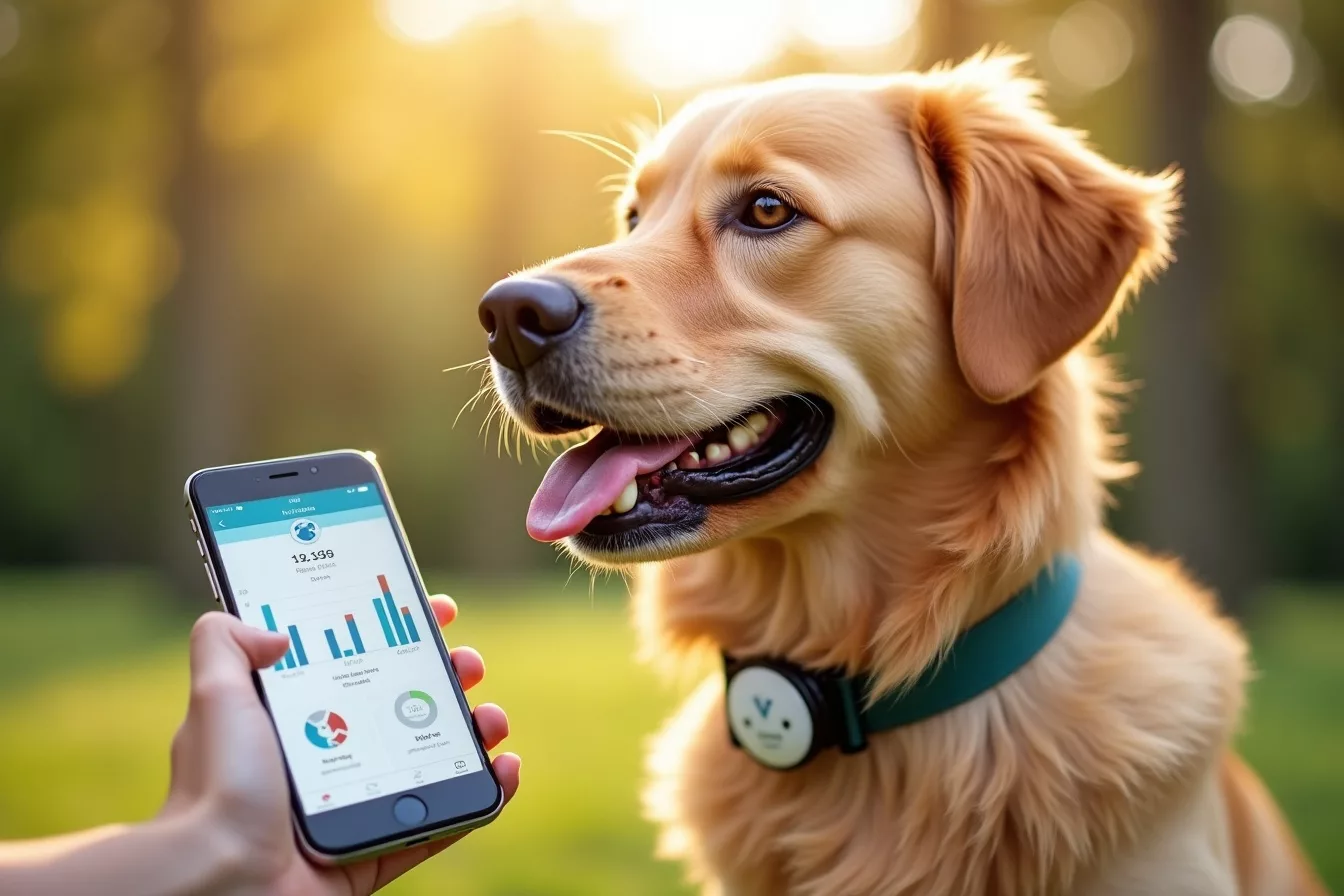

Did you know that 68% of pet owners miss early warning signs of illness in their dogs and cats? According to a 2025 study by the British Veterinary Association (BVA) and the Animal Health Institute, wearable AI monitors are now catching health problems weeks before traditional vet visits would. In this article you’ll discover how these clever devices work, which ones vets actually recommend, and the surprising way they’re changing emergency care forever. The strongest tip? One AI collar caught a urinary tract infection in a Labrador before any symptoms appeared.
The pet health tech revolution arrived quietly in late 2024, but it’s accelerating fast. Major releases from companies like PetDuo, Whisker Labs, and AAHA-certified partners have put real-time health monitoring into the hands of ordinary pet owners. These aren’t gimmicks—they’re wearables that track heart rate, temperature, movement patterns, and even early signs of pain, then flag concerns to your phone before your pet shows obvious symptoms.
What makes 2025 different? Artificial intelligence. Previous pet monitors simply logged data; new systems use machine learning to spot patterns unique to your individual pet. They learn your dog’s normal activity levels, then alert you the moment something shifts. They detect inflammation, fever, and stress hormones without drawing blood.
📊 Key Figures 2025
- 68% of pet owners miss early illness symptoms, according to the British Veterinary Association 2025 Pet Health Report
- 73% of vets surveyed now recommend AI monitors for dogs over 7 or cats with chronic conditions, per the Royal Veterinary College study
- Average cost: £150–£400 for quality wearables; preventative savings average £2,000+ annually in avoided emergency visits
Sources: BVA, RVC, AAHA, 2025
Meet the real-world success story: Luna, a 9-year-old Border Collie from Manchester, started wearing a PetDuo collar in September 2024. Within three weeks, the AI flagged elevated stress hormones and irregular sleep patterns. Her owner, Sarah, took her to the vet—who discovered early-stage arthritis and a thyroid imbalance, neither of which Luna showed obvious signs of yet. Early treatment meant Luna avoided acute pain and expensive emergency care.
How exactly do these monitors work? Most use a combination of sensors—accelerometers to track movement, temperature probes, heart-rate monitors, and sometimes even respiratory sensors. The AI algorithm compares your pet’s baseline (their normal healthy pattern) against real-time data, flagging deviations that matter. A sudden drop in activity? That’s logged. A spike in nighttime restlessness? Flagged. An increase in panting despite normal temperature? The system knows.
✅ Expert Tip
Don’t rely on alerts alone. Use AI monitors as a conversation starter with your vet. Bring the data to appointments. Dr. James Middleton, RCVS-registered vet at the PDSA, recommends: “Show your vet the baseline trends for two weeks, not just one day’s reading. Patterns matter more than individual alerts.”
The UK and US markets are responding rapidly. The PDSA (People’s Dispensary for Sick Animals) has begun recommending AI monitors in their 2025 guidance for senior pets and those with diabetes or kidney disease. The American Animal Hospital Association (AAHA) now lists three certified AI monitoring systems on their official veterinary technology register.
Cost-benefit? A single emergency vet visit for an acute kidney flare-up can cost £1,500–£3,000. Most AI monitors pay for themselves in one prevented emergency. Many owners report feeling less anxious because they have real data, not just guesswork about whether their pet “seems off.”
⚠️ Warning
AI monitors do not replace veterinary care. If your monitor flags a critical alert (fever above 39.5°C, heart rate above 180 bpm at rest, or sudden immobility), contact your vet immediately or visit an emergency clinic. These devices enhance monitoring but cannot diagnose. Always consult a qualified vet for interpretation.
What about privacy and data? Reputable brands (PetDuo, Whisker Labs, and AAHA-certified platforms) encrypt data end-to-end and don’t sell pet health information to third parties. Check privacy policies before purchasing—they vary significantly.
The biggest shift isn’t the technology itself; it’s the philosophy. Traditional vet care is reactive: your pet gets ill, you notice, you book an appointment. AI monitoring is proactive: the system catches illness before your pet suffers, before your wallet empties, before a treatable condition becomes an emergency. For senior pets, those with chronic illness, or any owner who worries about missing subtle changes, this changes everything.
By 2026, expecting AI health monitors to be mainstream in UK and US veterinary practices seems less revolutionary and more inevitable. The question isn’t whether they work—it’s whether you can afford not to use one.
Have you noticed your vet mentioning wearable monitors, or does your pet’s age make you worry about missing early signs? The technology is here now, affordable, and proven. Your next step? Chat with your vet about whether an AI monitor suits your pet’s age and health profile. The earlier you start monitoring, the earlier you prevent crisis.