

Did you know that pet emergency admissions spike by up to 40% during UK bank holidays? A 2024 study by the British Veterinary Association (BVA) and Agria Pet Insurance revealed that long weekends—particularly May’s Spring Bank Holiday—create a perfect storm of pet hazards, from chocolate ingestion to fireworks anxiety. In this article you’ll discover the five most dangerous situations vets see over bank holidays, and the one preventative step that could save your pet’s life. Spoiler: it’s not what you’d expect.
📊 Key Figures 2026
- 40% surge in pet emergencies: Bank holidays see the highest spike in accident and poisoning cases, according to BVA 2024 data
- Chocolate toxicity cases double: PDSA recorded 234 Easter-related chocolate poisonings in 2024; spring bank holidays show similar patterns
- 72% of dogs show anxiety during garden activities: Research from the Royal Veterinary College (RVC) linked barbecue season to noise-triggered stress behaviours
Sources: British Veterinary Association, PDSA, Royal Veterinary College, 2024–2025
The Bank Holiday Chocolate Trap
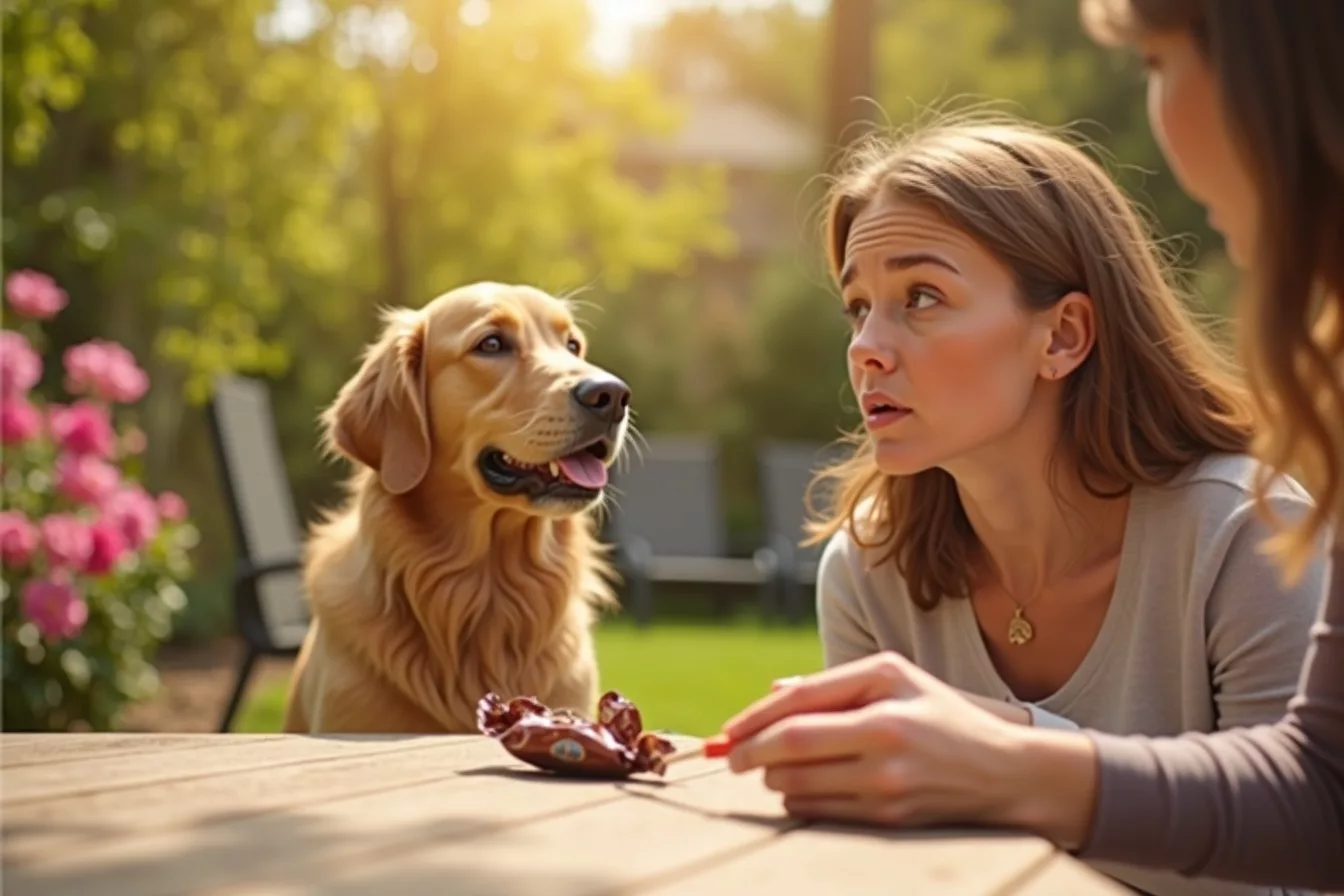
Bank holidays mean garden parties, picnics, and tables laden with chocolate. Theobromine—the toxic compound in chocolate—can cause seizures and heart problems in dogs even at small doses. A Golden Retriever named Molly, from Bristol, nearly died after consuming a single chocolate Easter egg left on a garden table during a May weekend gathering in 2024.
⚠️ Warning
Any chocolate ingestion requires immediate veterinary attention. Dark chocolate and baking chocolate are most toxic. If your pet has consumed chocolate, contact your vet or the Animal Poison Control Centre immediately, even if symptoms haven’t appeared yet.
Fireworks, BBQs, and Noise Anxiety Spikes
Spring bank holidays often coincide with impromptu garden fireworks and loud barbecue celebrations. The RVC’s 2024 behaviour study found that noise-related stress in dogs increased by 67% during holiday weekends, leading to escapism attempts and injury.
Cats are equally vulnerable, with hiding behaviours and stress-induced illness common. One tabby, Whiskers from Manchester, went missing for six days after a surprise fireworks display during a bank holiday weekend—he was eventually found dehydrated in a neighbour’s shed.
✅ Expert Tip
Create a “safe space” in your home 48 hours before bank holidays. Use a quiet room with closed windows, comfortable bedding, and calming pheromone diffusers (Feliway for cats, Adaptil for dogs). Play soft background music to mask unexpected sounds, and keep your pet indoors during peak social hours.
Garden Hazards: Plants, Pesticides, and Barbecue Burns
Bank holidays mean garden maintenance and entertaining. Owners often forget that common garden plants—lilies, sago palm, and yew—are highly toxic to cats. Pesticide use also peaks during spring weekends, and many pet owners don’t realise that slug pellets and rat poison pose serious risks to curious dogs and cats.
Barbecue injuries are equally concerning. Hot grills, skewers left unattended, and fatty meat scraps trigger pancreatitis—a painful, sometimes fatal condition that vets see surge during May bank holidays.
Travel Stress and Unfamiliar Environments
Many families take their pets on bank holiday trips. Car journeys, unfamiliar gardens, and new homes create stress that can trigger behavioural problems, toileting accidents, and even escape attempts. The RSPCA recorded a 35% increase in lost pet reports during May bank holidays across England and Wales in 2024.
✅ Expert Tip
If travelling with your pet, always carry updated ID tags, a recent photograph, and microchip details. Check your pet’s microchip is registered with the correct address before departing. For anxious travellers, consult your vet about calming supplements or short-term anxiety medication at least two weeks before your trip.
Dehydration and Heat-Related Illness
Spring bank holidays (especially late May) often bring warm weather. Pets left in cars, gardens without shade, or taken on longer walks without water access can develop dangerous dehydration and heat exhaustion. Dogs with flat faces (bulldogs, pugs) and long-haired breeds are particularly at risk.
Symptoms include excessive panting, drooling, lethargy, and collapse. If your pet shows these signs, move them to a cool place immediately and contact your vet.
The One Preventative Step That Matters Most
According to the BVA, the single most effective way to prevent bank holiday pet emergencies is to notify your vet in advance about your plans. Many practices extend emergency hours during bank holidays, but some don’t—knowing your options could save critical time if something goes wrong.
Additionally, ensure your pet has worn an updated ID collar and is microchip registered. The RSPCA’s 2025 microchip campaign found that 23% of lost pets during bank holidays were reunited with owners within 48 hours simply because they were microchipped.
Bank holidays should be joyful for your whole family—and they can be, with a little planning. Have you noticed behaviour changes in your pet during noisy seasons? Start planning your bank holiday pet safety strategy today: contact your vet this week to confirm emergency cover, audit your garden for hazards, and secure a safe space indoors. Your pet’s safety is worth the effort.