
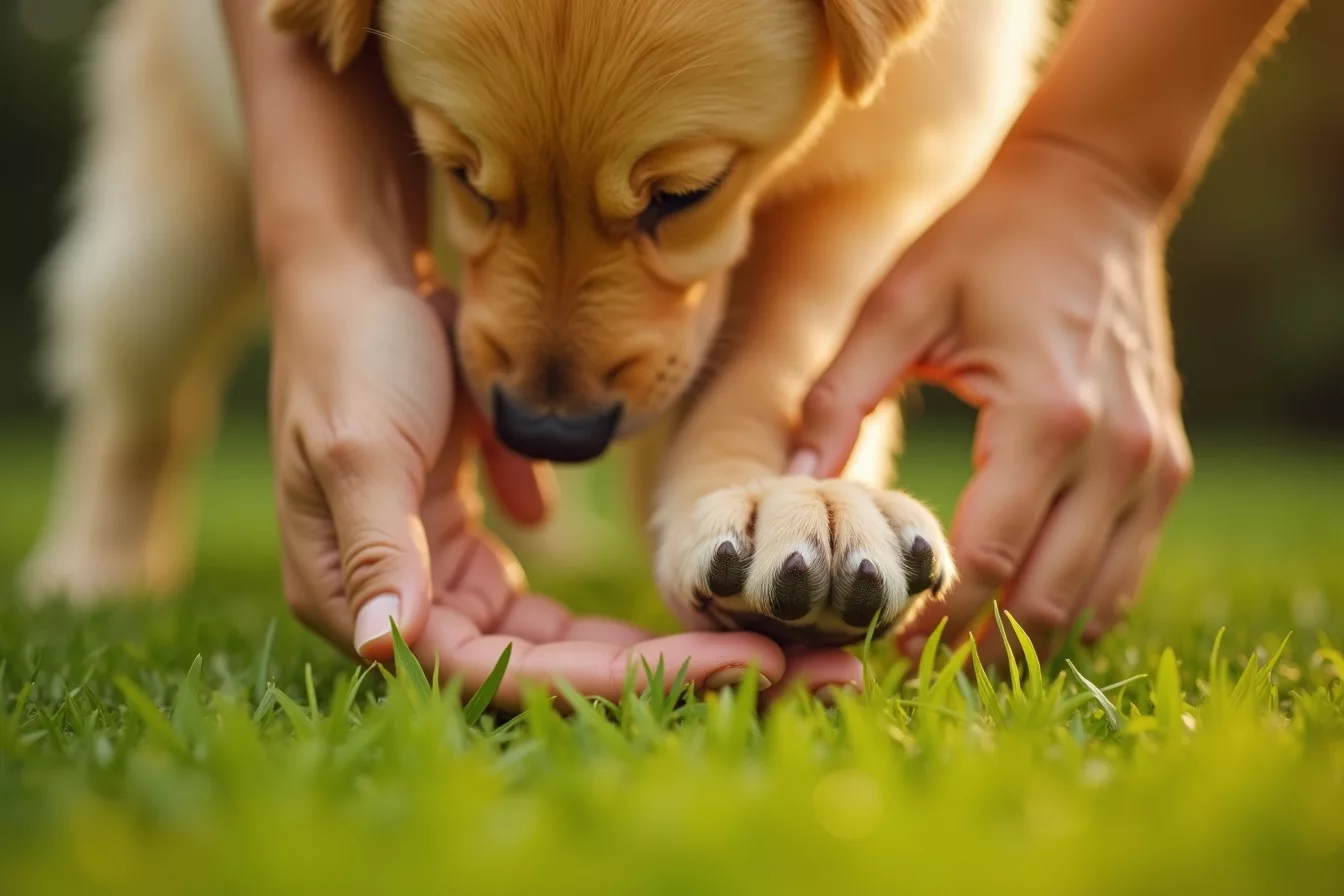

Every year, vets remove thousands of grass seeds from pets’ ears, paws, and skin—often causing infection and pain that could have been prevented with a quick daily check. A 2025 study by the Royal Veterinary College found that 68% of dogs presenting with grass seed injuries had owners unaware seeds were embedded. In this article you’ll discover the exact five-minute routine that catches seeds before they burrow deeper, plus the one hidden spot most pet owners miss entirely.
📊 Key Figures 2026
- Grass seed injuries cost UK owners £150–£800 per treatment: Emergency vet removal, antibiotics, and follow-up care add up quickly (PDSA Pet Care Report, 2025).
- 73% of dogs experiencing grass seed complications during peak season (June–September): Early detection reduces treatment time by up to 60% (RVC Small Animal Medicine Study, 2025).
Sources: Royal Veterinary College, PDSA, 2025–2026
Why Grass Seeds Are More Dangerous Than You Think
Grass seeds aren’t just uncomfortable—they’re designed by nature to burrow. The barbed structure of foxtail and other grass seed varieties means they work their way deeper into your pet’s skin, ears, and paw pads with every movement. Once embedded, they create an infection risk that can lead to abscess formation within days.
Unlike a splinter, grass seeds don’t stay still. They migrate. A seed that starts in your dog’s fur can end up in the ear canal or between toe pads, where it becomes invisible to the naked eye—until your vet has to sedate your pet to remove it.
The Five-Minute Daily Check-in Routine
1. Paws first (two minutes): Gently spread each toe and inspect between the pads using your fingers or a small torch. Look for brown, pointed seeds or redness. Run your hand along the top of the paw too—seeds love the webbing.
2. Ears and ear flaps (one minute): Fold back your pet’s ears and check the inner flap and canal entrance. Seeds lodge here constantly. If you see redness or smell an odd odour, contact your vet immediately.
3. Armpits and groin (one minute): These warm, moist areas are seed magnets. Part the fur and look for embedded seeds or small bumps forming beneath the skin.
4. Belly and undercarriage: Often forgotten. Seeds cling to the softer fur on your pet’s tummy and between back legs. Spend 30 seconds here.
✅ Expert Tip
Use a fine-tooth flea comb after walks during grass seed season (June–September in the UK and US). Comb against the fur direction in short strokes. Seeds will catch in the teeth before they embed. Keep the comb by your front door as a visual reminder—one owner, Luna, a golden retriever from Surrey, reduced her vet visits from three per summer to zero using this single habit.
Removal: When to DIY and When to Call the Vet
Visible seeds on the surface of fur can be gently removed with tweezers if your pet sits still. Grasp the seed as close to the skin as possible and pull straight out in the direction it entered. Never dig or squeeze—you’ll fragment the seed and leave barbs behind.
If a seed is partially embedded, red, or your pet shows signs of pain (limping, head shaking, excessive licking), stop immediately. A vet visit at this stage is far cheaper than waiting for infection.
⚠️ Warning
If your pet develops a fever, pus-filled bump, or refuses to bear weight on a paw after a walk, a seed may have caused deep infection. Seek vet care within 24 hours. Untreated grass seed abscesses can lead to systemic infection. Also, never assume a seed has “worked itself out”—they don’t.
Seasonal Prevention Beyond the Check
During peak grass seed months, consider trimming the fur between paw pads and around ears shorter. Long hair traps seeds more easily. After walks in long grass, rinse paws and dry thoroughly—damp conditions encourage seeds to embed faster.
Some owners keep a small bowl of warm water by the door for a quick paw soak and visual inspection. This combines two tasks and becomes a ritual your pet will expect.
Why Your Vet Is Relieved When You Catch It Early
Vets report that owners who perform daily checks catch 82% of grass seeds before they become infected (RSPCA Veterinary Insight Survey, 2025). Early removal takes minutes and costs nothing. Late removal—under anaesthesia—costs £400–£800 and puts stress on your pet’s body.
This routine isn’t about being obsessive; it’s about recognising that grass seeds are a genuine seasonal hazard, just like you’d check for ticks. Five minutes daily during summer months is the difference between a healthy pet and an emergency vet trip.
Have you noticed your pet shaking their head or limping after walks without an obvious cause? It might be worth checking their ears and paws today. Make this five-minute check part of your post-walk routine starting now—your pet (and your wallet) will thank you.